
Free Shipping

Red Light Therapy for Wrinkles & Anti-Aging
Red light therapy for wrinkles works on skin texture and firmness over months, not overnight, and consistency decides the result.
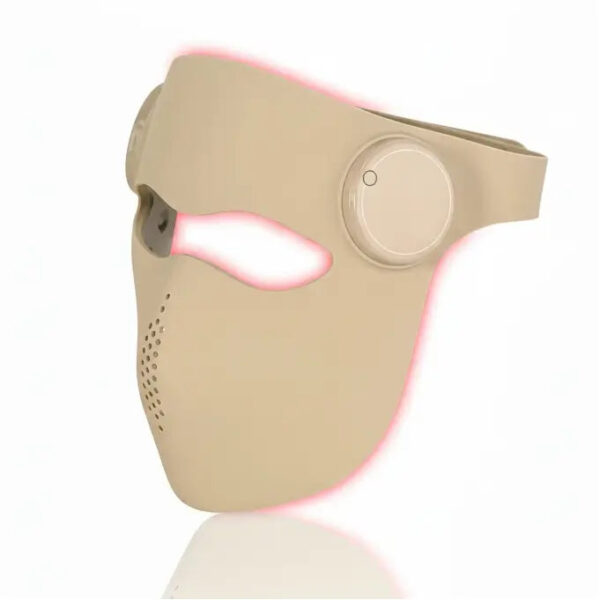
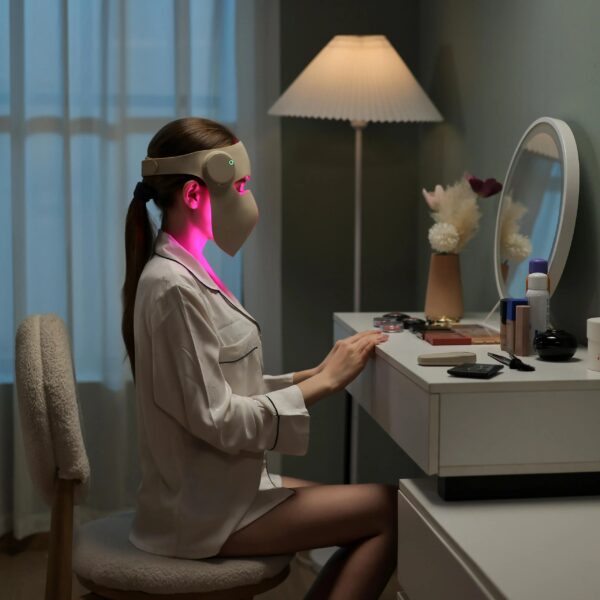
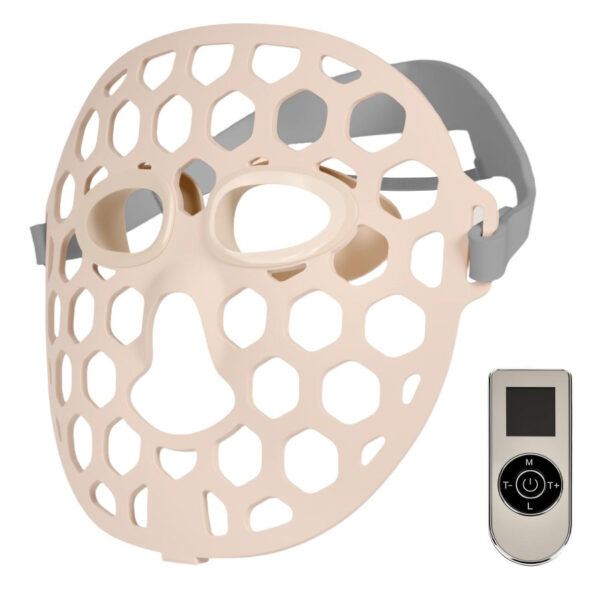
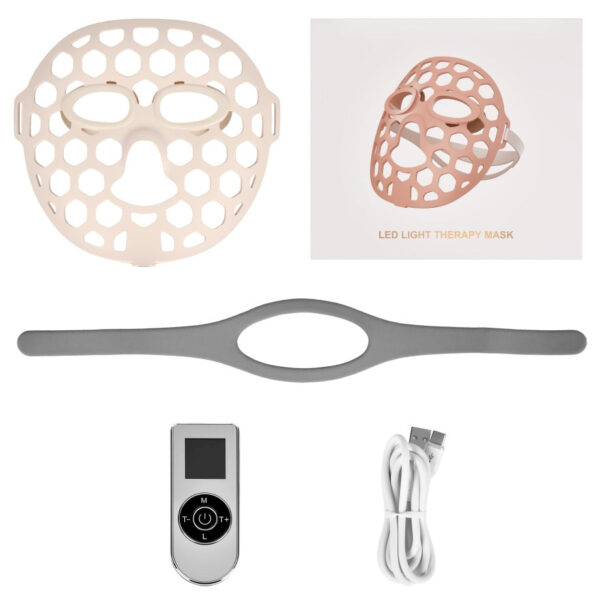
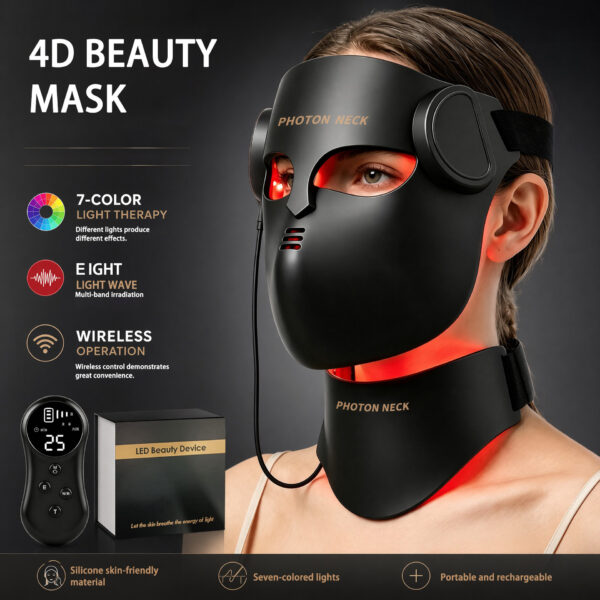
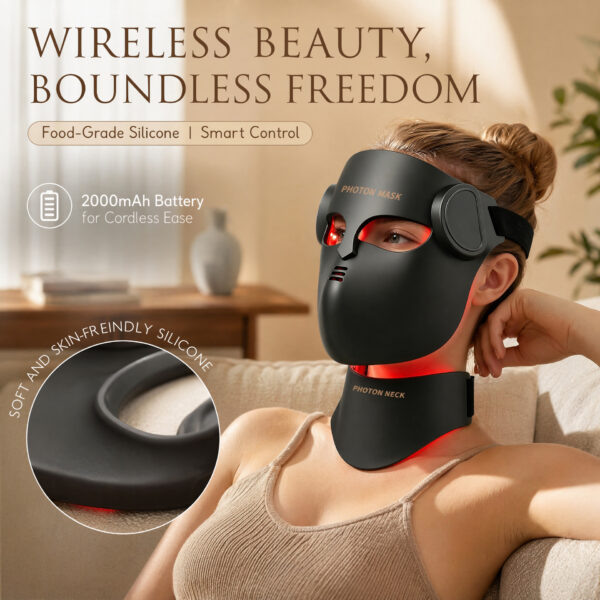
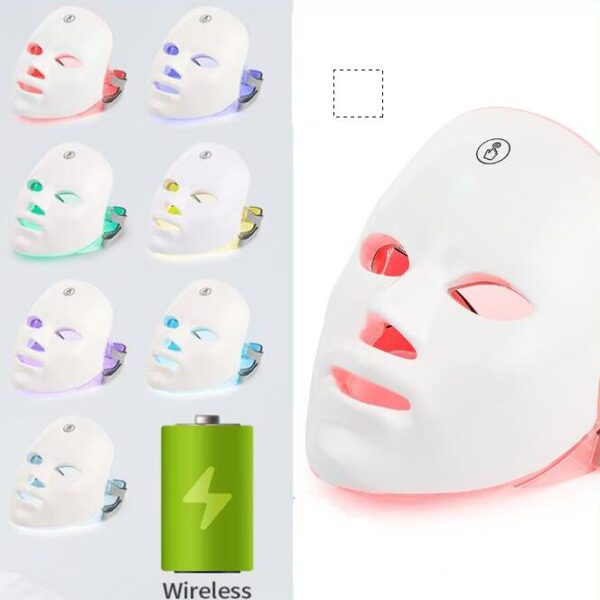
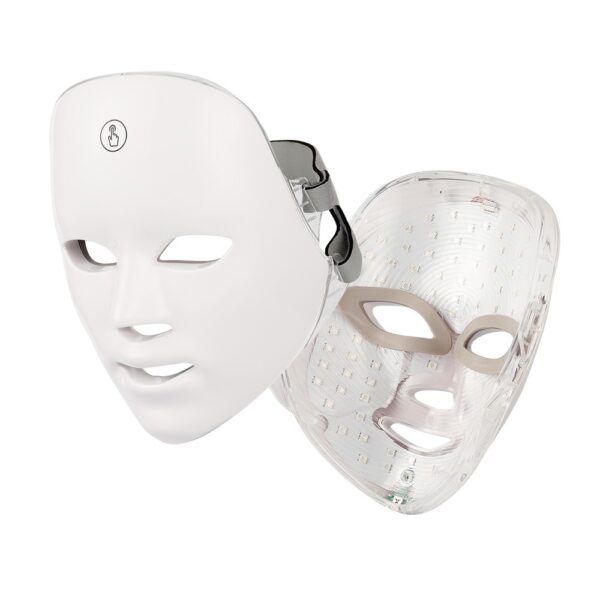
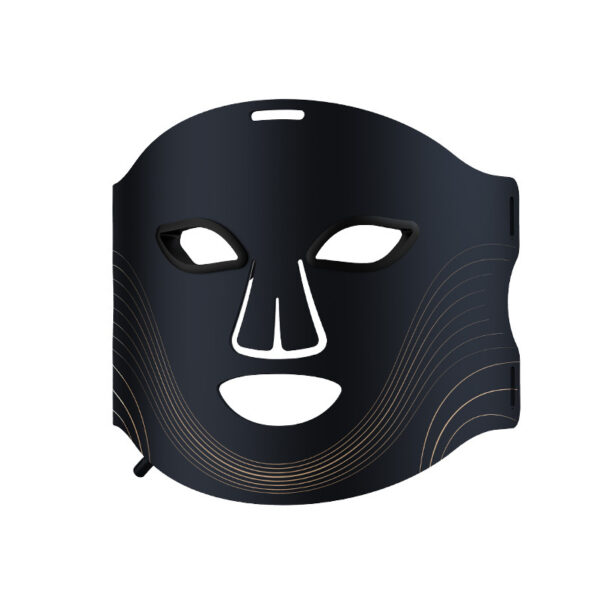
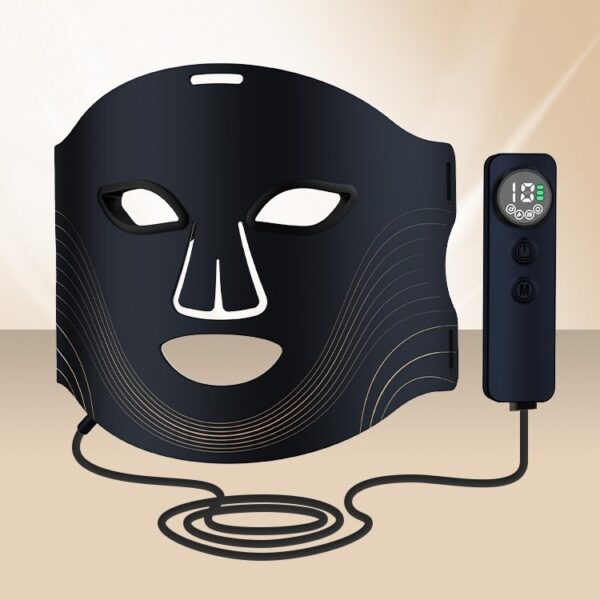
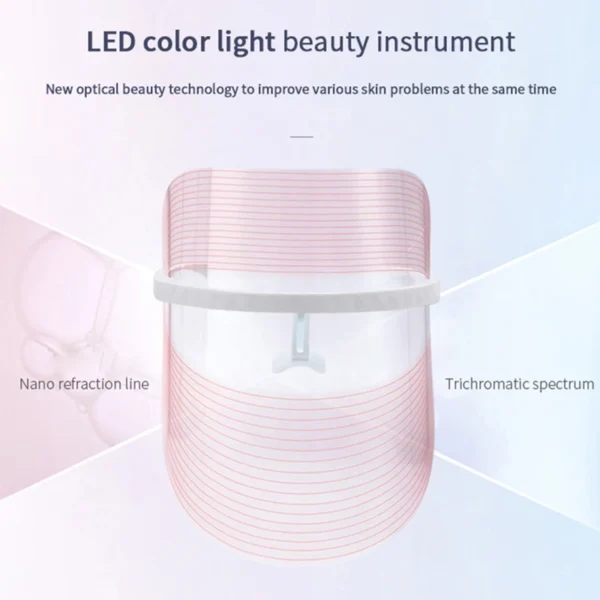
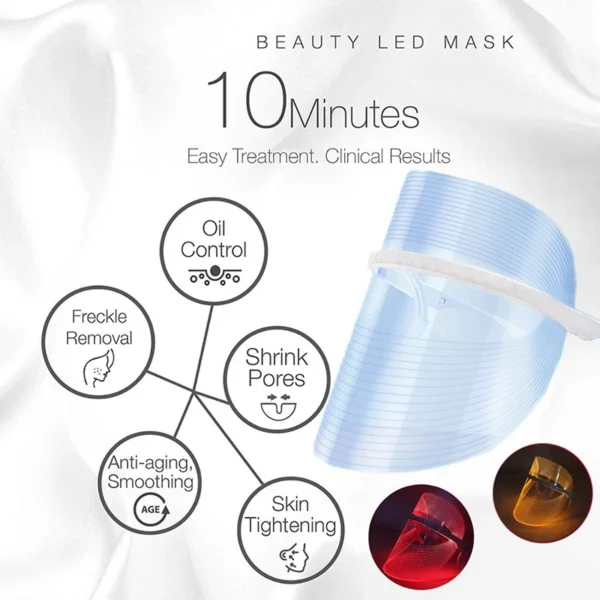
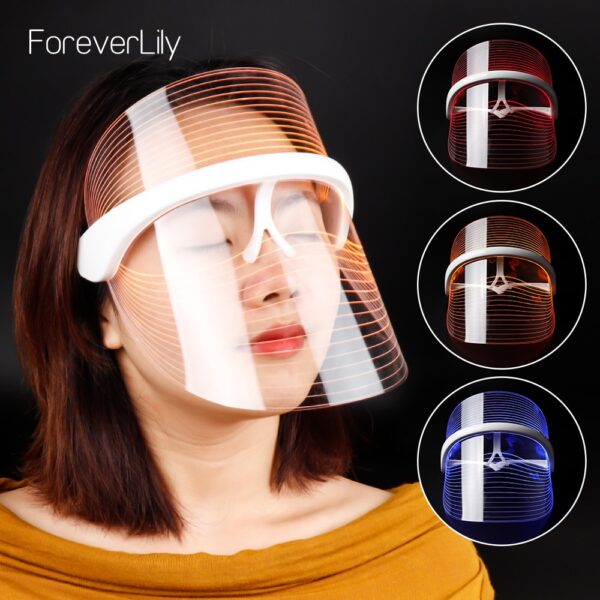
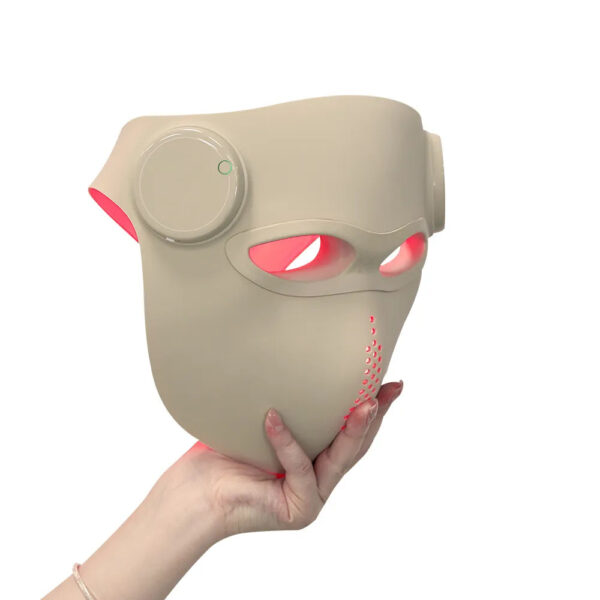
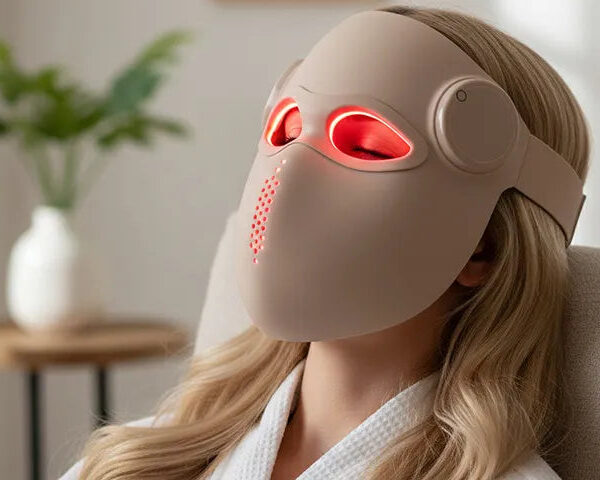
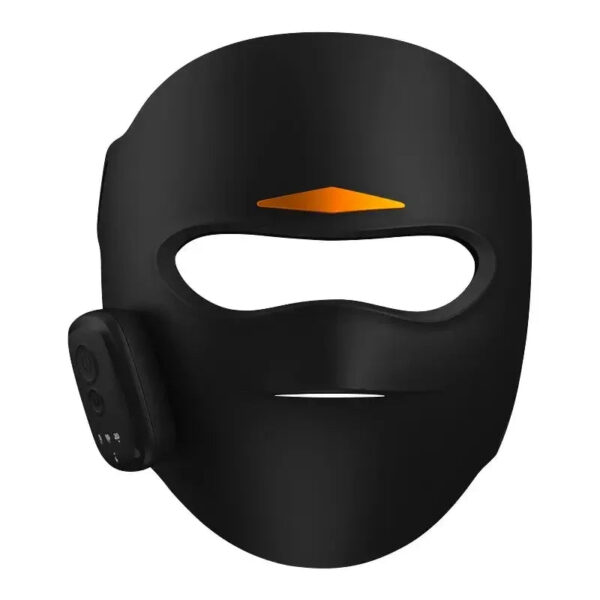
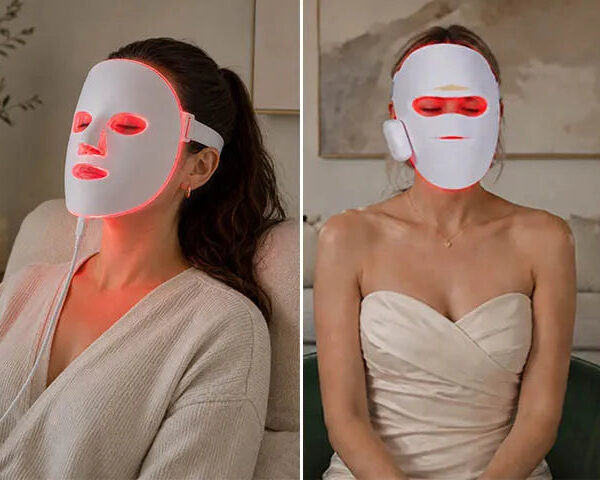
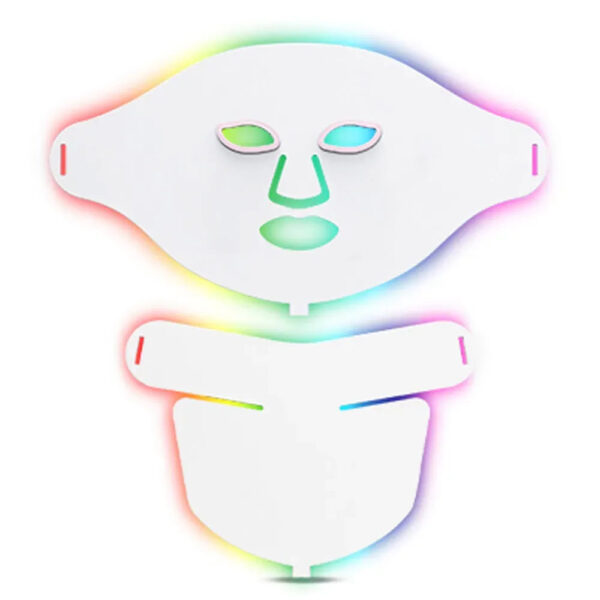
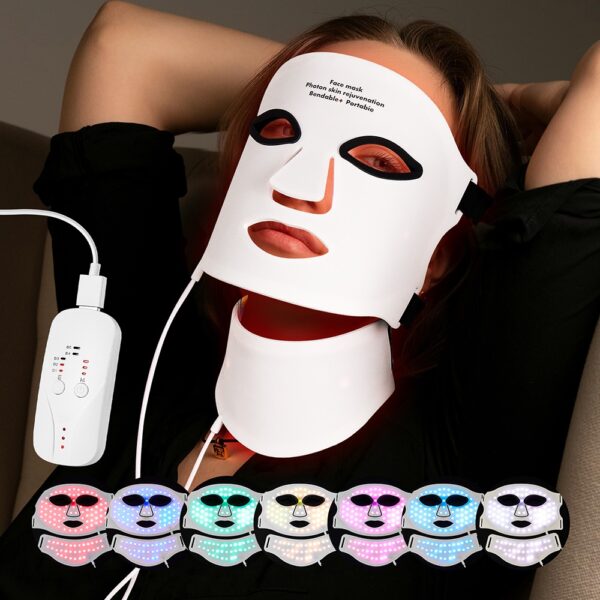
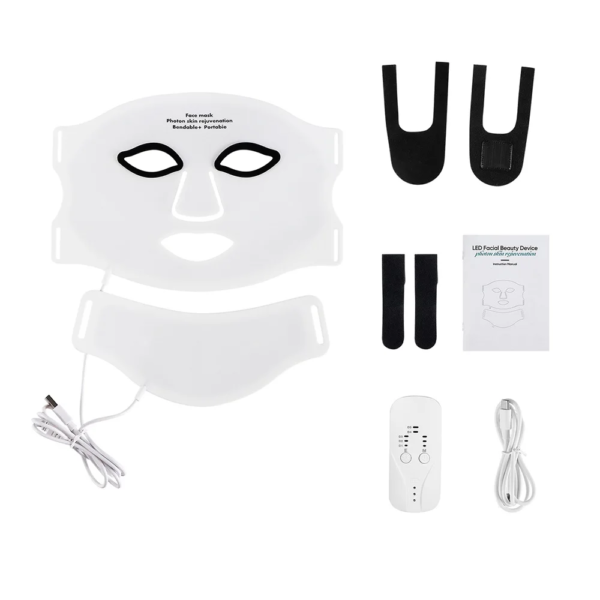
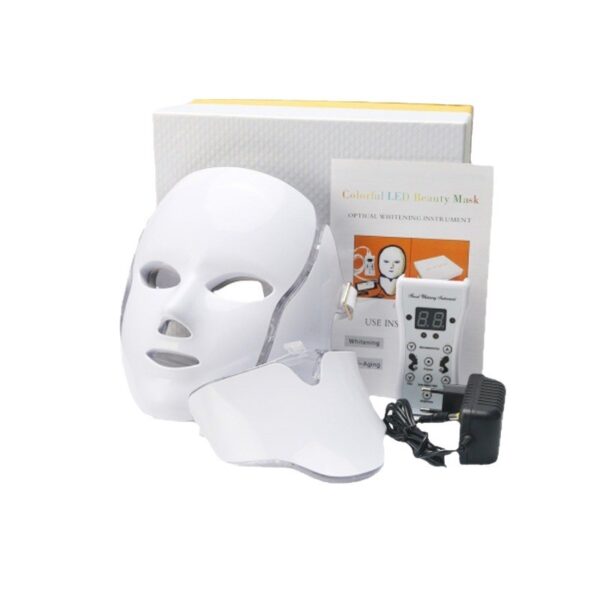
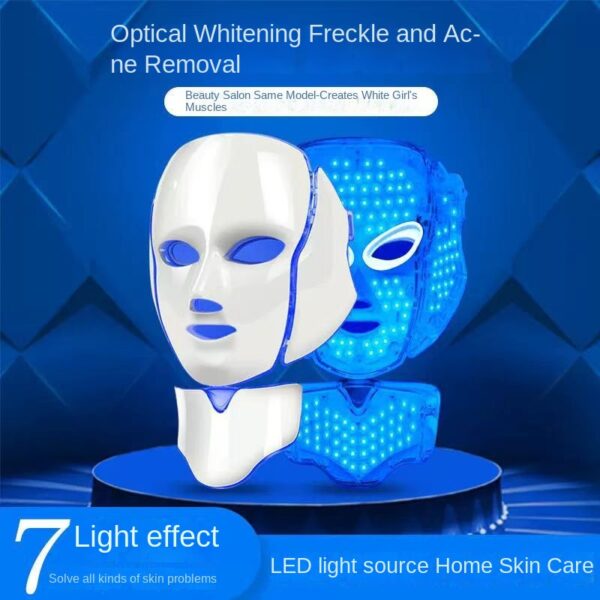
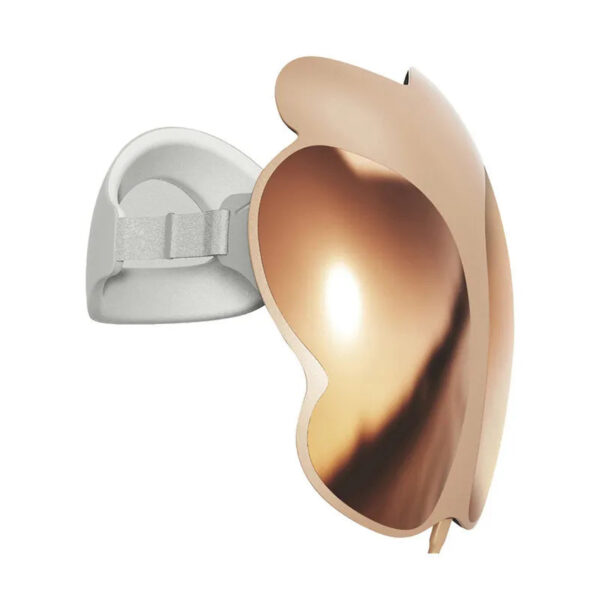
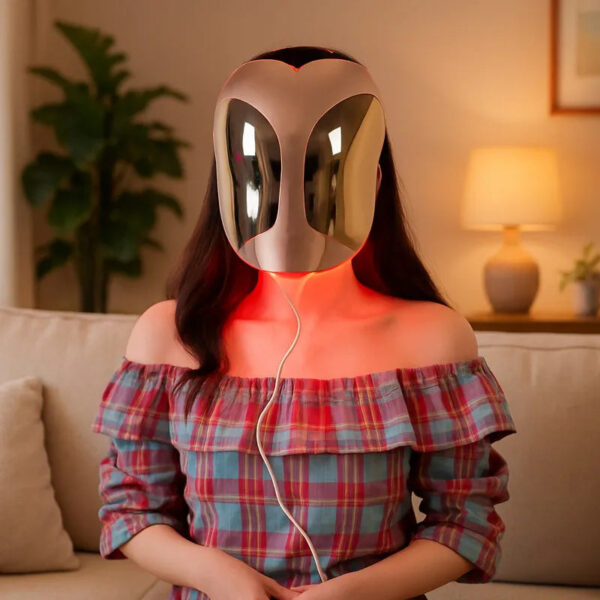
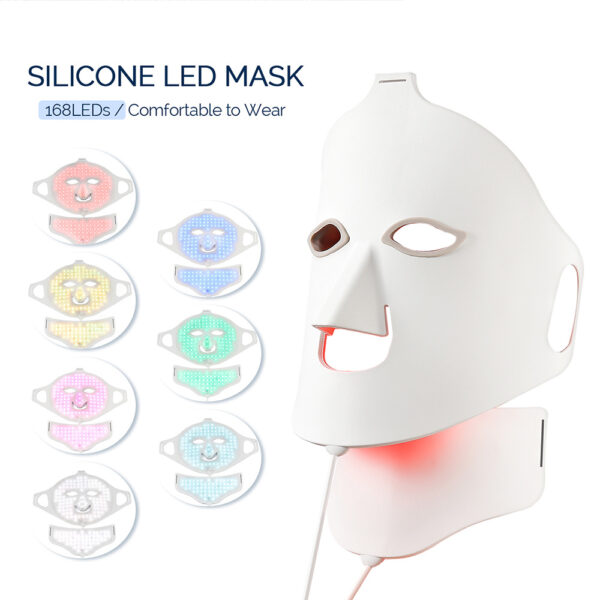
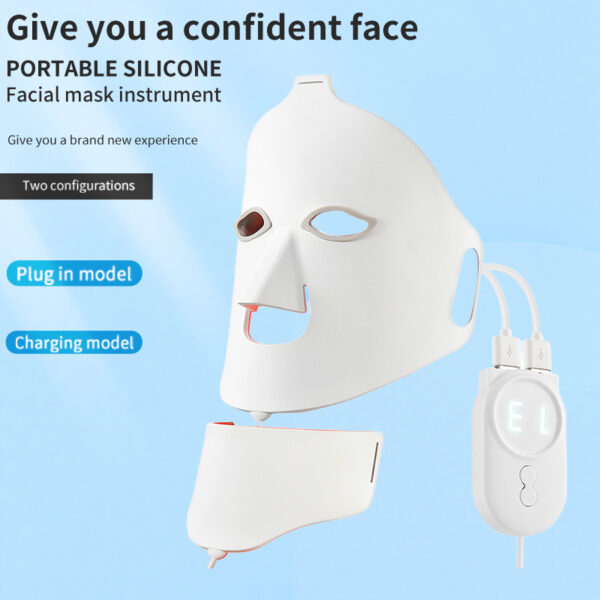
Full face LED masks cover everything at once, while neck tools and microcurrent wands work the areas that crease first.
Red at 630nm to 660nm sits in the upper skin, and 850nm near-infrared reaches further down.
15 products
Free Shipping

Frequently Asked Questions
Plan on three months of regular use before judging it, and take a photograph at the start under the same light so you have something to compare against. Skin turnover and collagen changes are slow processes. Anyone promising visible results in two weeks is selling rather than informing. The people who report the clearest change are the ones who used a device four or five times a week for six months without stopping.
Generally yes, but not at the same moment. Apply actives at a different time of day from your light session, because freshly applied acids and retinoids leave skin more reactive and there is no benefit to stacking them. Never run a session with product still sitting on the skin. If your skin is already irritated from actives, give it a few days before adding anything new.
Fine lines and overall texture are where people report change. Deep set folds are structural and light therapy will not fill them. Being clear about that upfront is fairer than letting you find out after six months. If deep lines are the goal, this is not the right category and a clinical consultation is a better use of the money.
A mask if you are buying one device. It covers everything, needs no technique, and fits into an evening without effort, which is what keeps it in use. Wands give you control over specific areas but demand attention every session, and that is where routines break down. Many people end up owning both, with the mask doing the routine work.
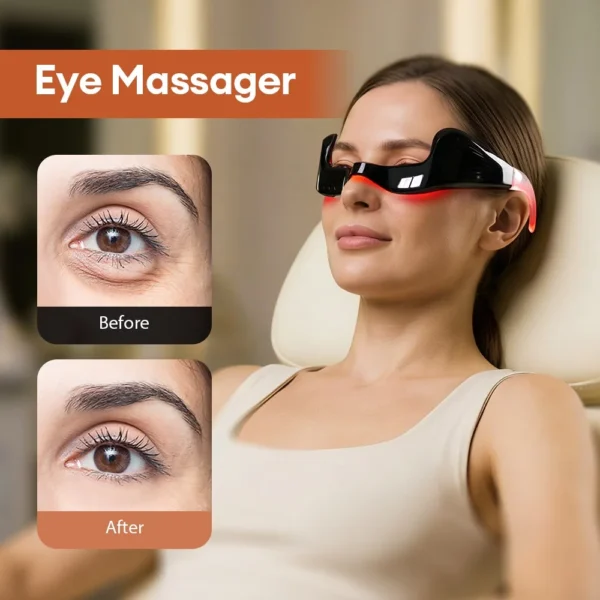
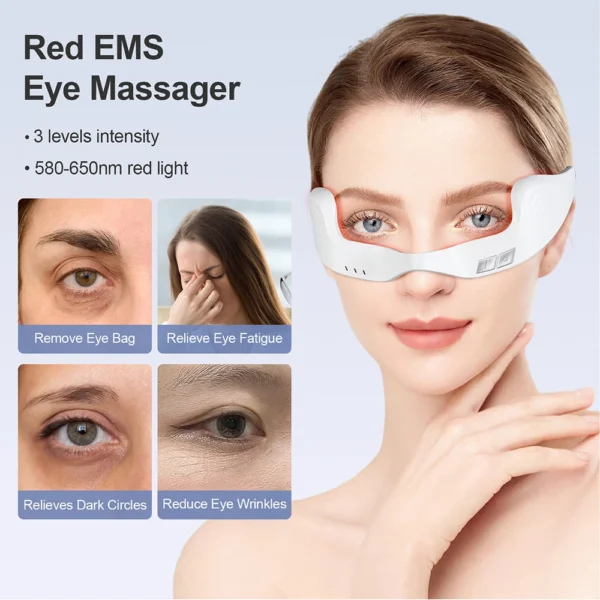
Use whatever eye protection the device supplies, and do not point handheld devices directly at open eyes. Masks with closed eye sections handle this for you. The skin around the eye is thin and does respond well to light, which is why dedicated eye devices exist, but the eye itself should never be exposed to bright LEDs at close range. If you have any retinal condition, ask your ophthalmologist first.