

Wearable Red Light Therapy Devices
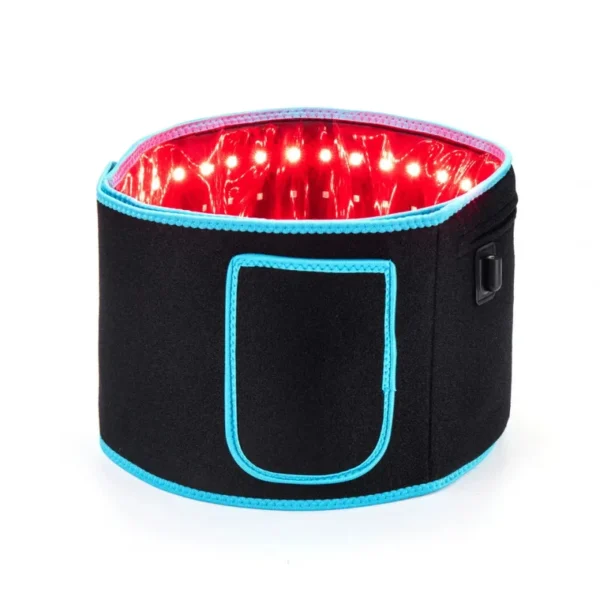
Strap it on and get on with your day. Every red light therapy belt here is cordless, so a session runs while you work, cook or sit.
Wraps for the waist and back, gloves for the hands, boots for the feet, caps for the scalp, all running 660nm and 850nm against the skin.
Contact matters more than wattage, because a device touching you loses almost nothing to distance.
54 products

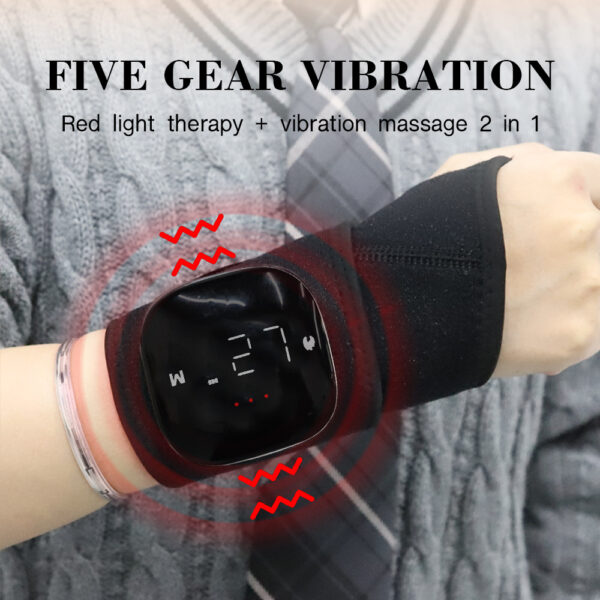


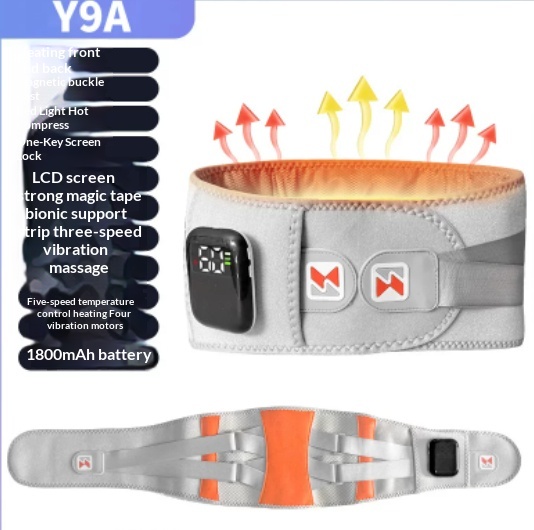
Wireless Heated Massager for Waist | Red Light, 5 Heat Levels, 3 Vibration Levels, 1800mAh
Price range: $164.27 through $224.25
Shop Now


Wireless Red Light Cap for Scalp Care | 100 LEDs, 660nm & 850nm, 10Hz & 40Hz Pulse
Price range: $149.76 through $204.20
Shop Now

Frequently Asked Questions
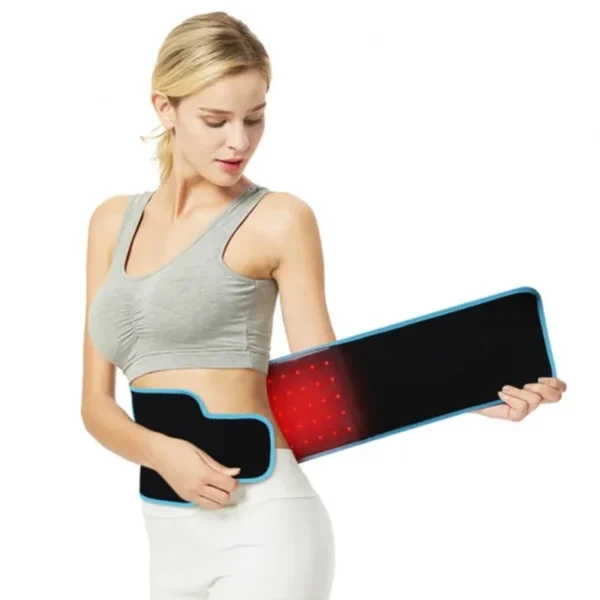
Yes, and that is how most people use them. The belts are slim enough to sit under a loose shirt or jumper with the battery pack clipped at the waist. Bear in mind the device warms slightly during use, so a thin layer over the top is more comfortable than a thick one. Wear it against skin rather than over clothing, because fabric between the LEDs and you blocks a meaningful amount of light.
It varies by model and by intensity setting, but two to three sessions between charges is typical for the mid sized belts. Smaller USB powered wraps often run longer because they draw less. If a listing does not state battery capacity, assume the lower end. Anything that needs charging after every single use tends to get abandoned within a month.
Daily use at the session lengths these devices are timed for is what they are designed around. The light does not tan or burn the way UV does, because these are visible red and near-infrared wavelengths rather than ultraviolet. Do not look directly into the LEDs, and if skin becomes irritated, stop and give it a few days. Anyone taking photosensitising medication should check with a clinician first.
Not well. Fabric scatters and absorbs a large share of the light before it reaches you, so a session over a bandage delivers a fraction of what the same session delivers on skin. Remove the covering, run the session, then put the support back on afterwards.
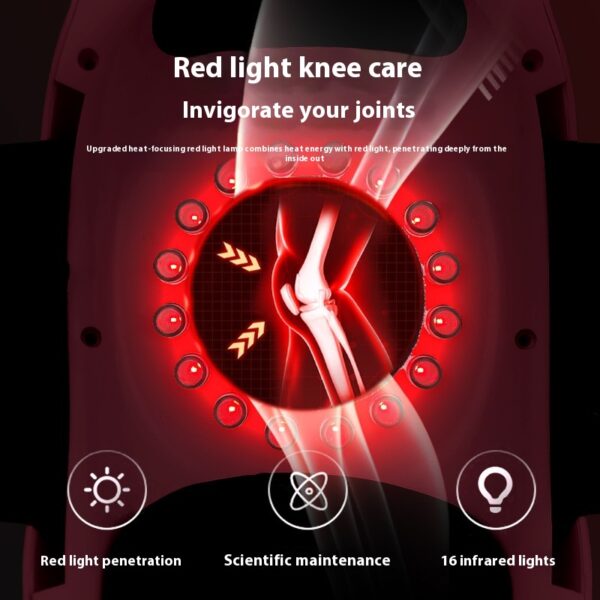
Not necessarily, and often the opposite for a single area. Light weakens with distance, so a panel a few feet away loses a great deal before it reaches you, while a belt in contact loses almost nothing. A panel wins on total area covered per session. For one knee, one wrist or one section of back, a wearable typically delivers more light to that spot than a much larger and more expensive panel does.