

What blue light is, and what it is not
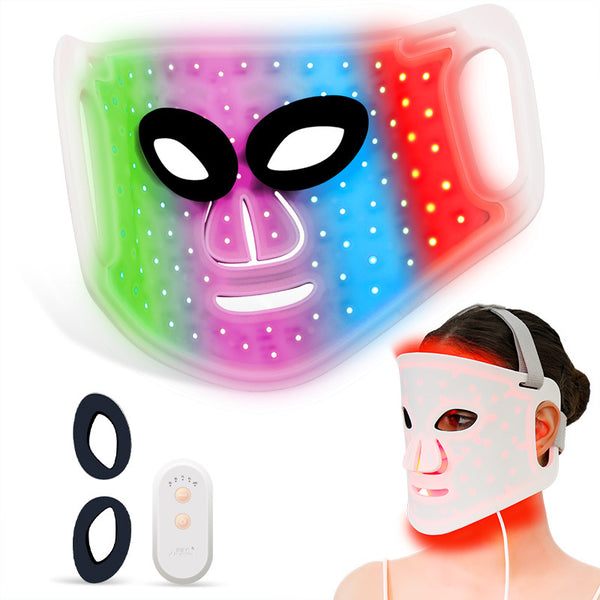
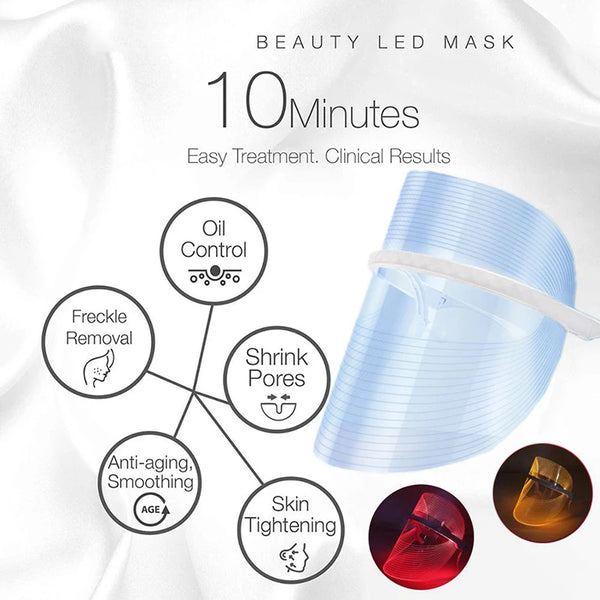
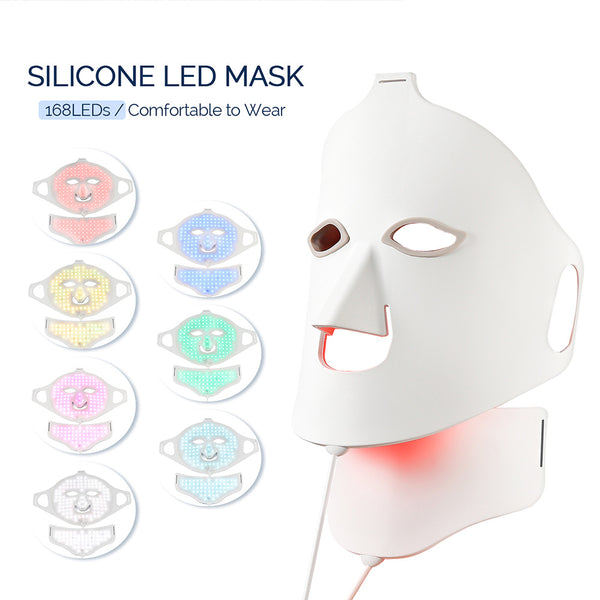
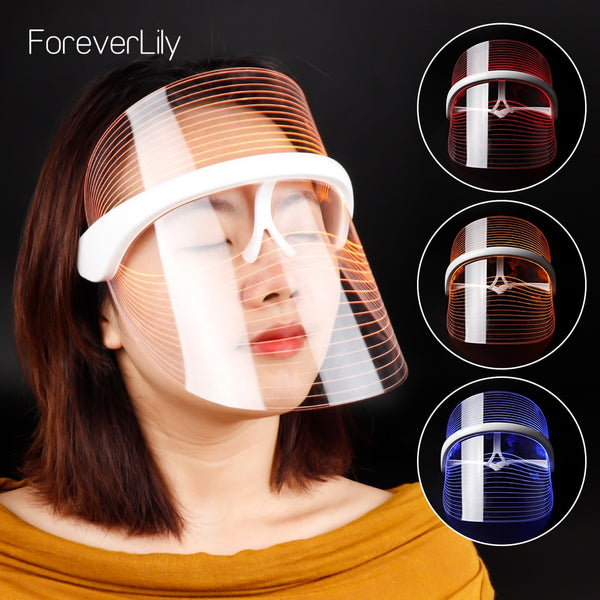
Blue light sits at around 460nm and is absorbed almost entirely at the surface of the skin, which is where it is meant to act. That surface level absorption is the whole point, and it is also why blue does nothing for lines, firmness or anything below the skin. Red and near-infrared handle those.
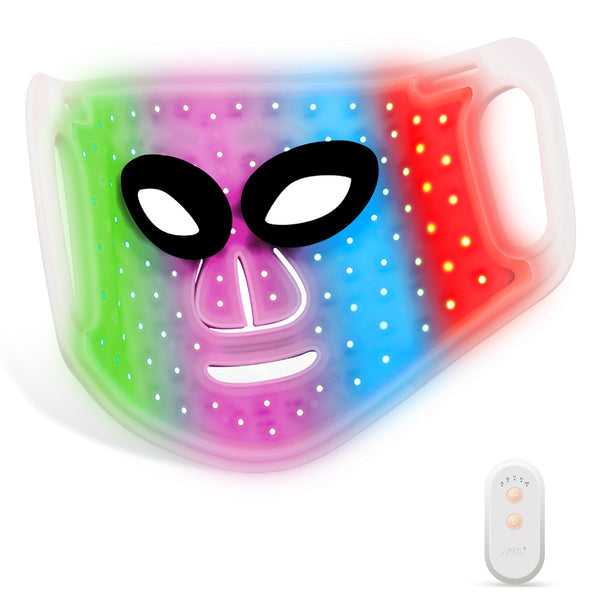
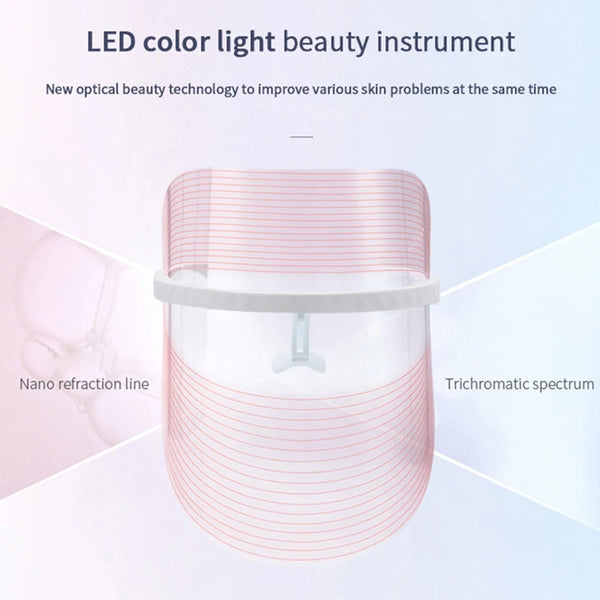
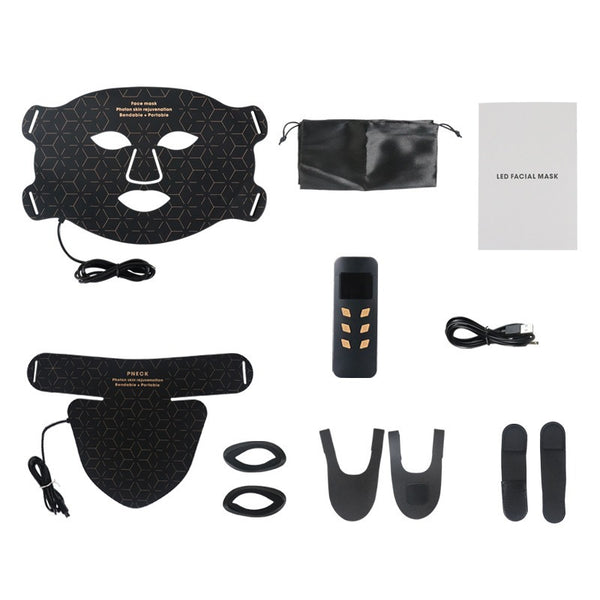
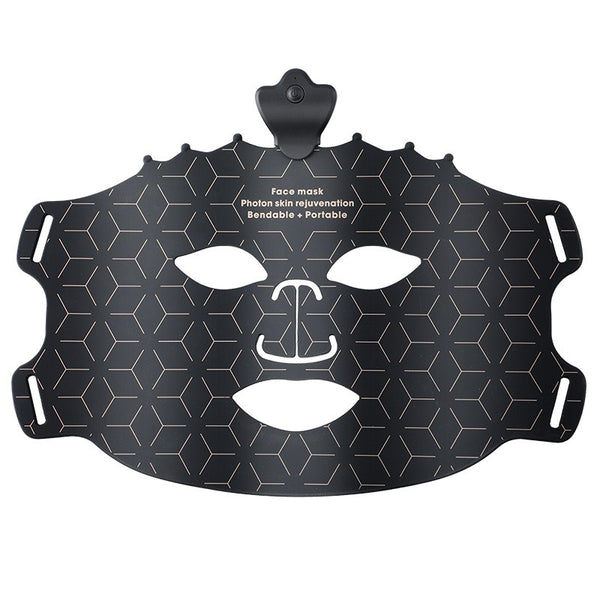
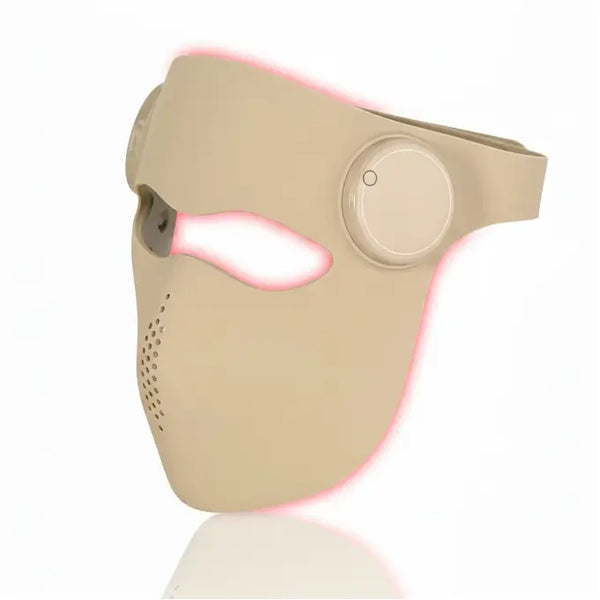
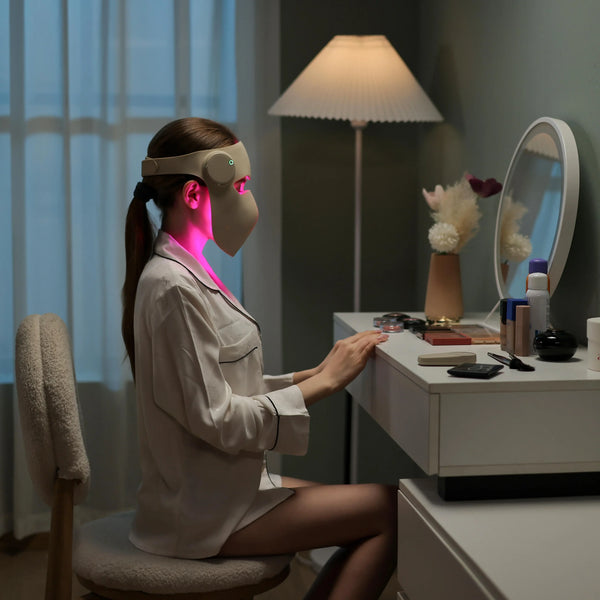
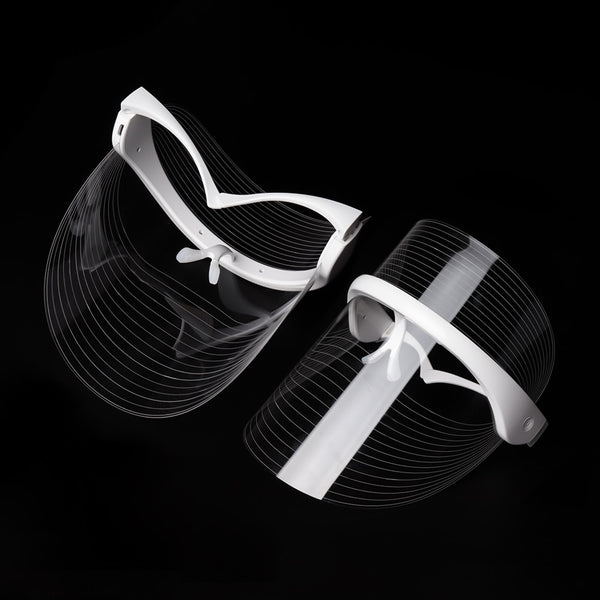
Most devices here run both, which is sensible, because very few people want only one. A mask covering red, near-infrared and blue does everything this category needs.
Mask or handheld
| Full face mask | Handheld or wand | |
|---|---|---|
| Coverage | Whole face each session | One spot at a time |
| Effort | Put it on and wait | Hold and move it, full attention |
| Suits | Congestion across cheeks, forehead, jaw | Occasional individual blemishes |
| Routine survival | High, it costs no thought | Lower, easy to skip |
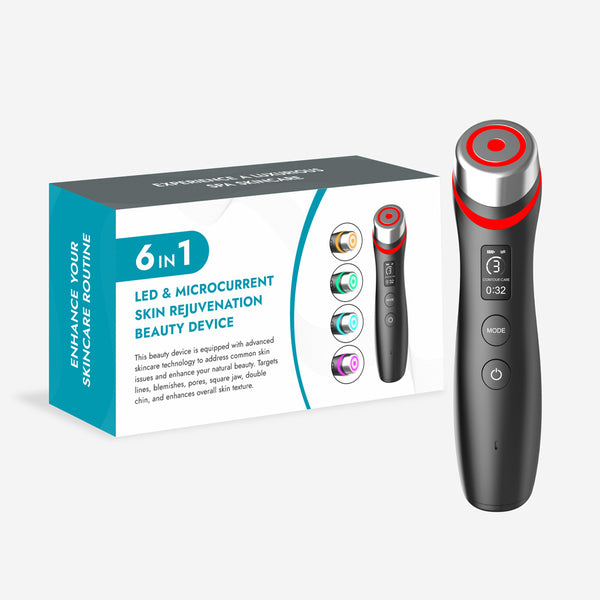
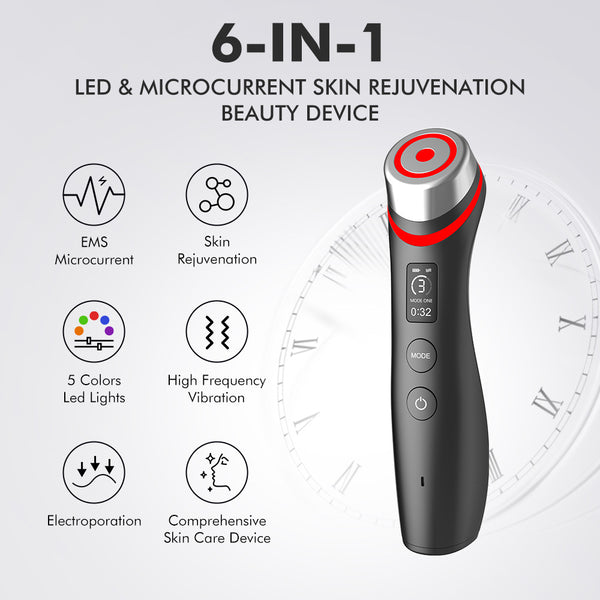
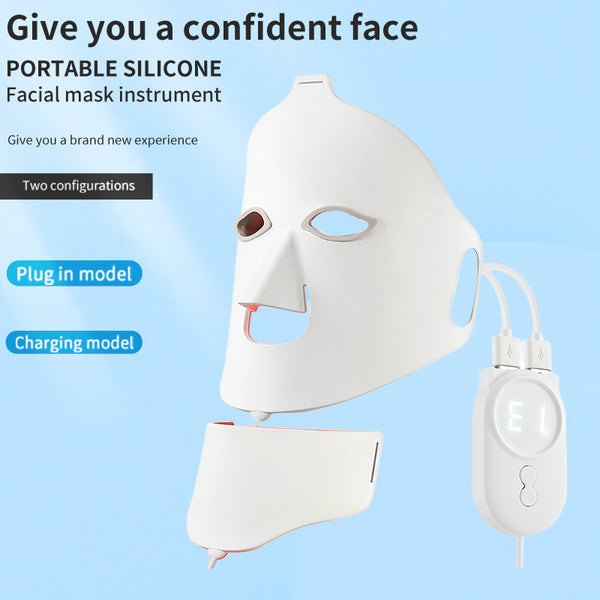
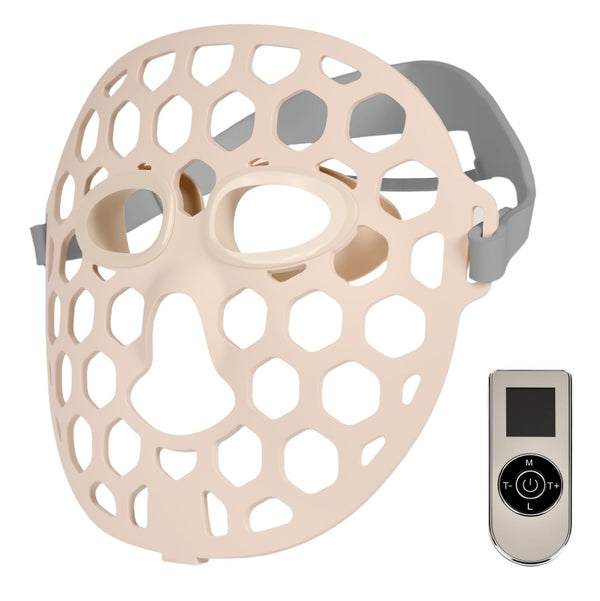
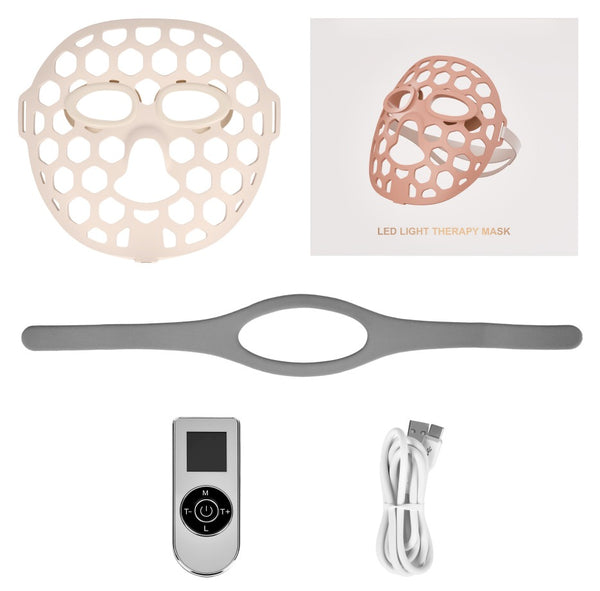
If breakouts appear across an area rather than as one or two spots, buy the mask. Handhelds are for people whose skin is generally clear and who want something for the occasional flare up. Trying to cover a whole face with a wand is how devices end up unused.
Where the honest limits are
These are general wellness devices and we are not going to tell you they treat acne. That is a medical claim and it is not ours to make. What we can say is what the hardware does, which is emit light at stated wavelengths, and that blue light around 460nm is the wavelength associated with blemish prone skin in the literature.
Moderate to severe acne, cystic acne and anything that scars is a dermatology matter. A device is not a substitute for treatment, and using one instead of seeing someone can cost you skin that does not grow back. If you are already on prescription treatment, particularly isotretinoin or a topical retinoid, ask your prescriber before adding light therapy, because those medications make skin more light sensitive.
Using it without making things worse
Clean skin, nothing on it, no makeup and no thick creams. Product on the surface blocks light and, on a silicone mask, transfers straight onto the device. Clean the inner surface after every session, because a mask that touches breakout prone skin and is not wiped down is working against you.
Give it eight to twelve weeks before judging anything, used consistently. Skin cycles are slow.
When not to buy anything here
If your skin is currently raw from actives, freshly exfoliated, or reacting to a new product, do not add a device to it. Let it settle first. Adding another variable to irritated skin makes it impossible to know what caused what, and light therapy on inflamed skin is not comfortable.
What to pair it with
A device is one input and it works better sitting on top of a routine that already makes sense. A gentle cleanser, something non comedogenic, and sunscreen do more for blemish prone skin than any light source, and none of them cost much. If your routine is currently four actives layered nightly, simplifying it will probably help more than adding a mask.
Where light earns its place is as the low effort part. It asks nothing of your skin barrier, does not sting, and does not need to be timed around anything except your other products. That makes it easy to keep up on the weeks when everything else slips.
Related collections
The wider range of multi colour LED face masks covers every mask we stock, including those without a blue channel. For lines and firmness rather than congestion, see the devices for lines and firmness. The under eye area needs a different shape entirely, and the eye massagers with microcurrent are built for it.
These products are intended for general wellness purposes only. They are not intended to diagnose, treat, cure or prevent any disease or medical condition.