

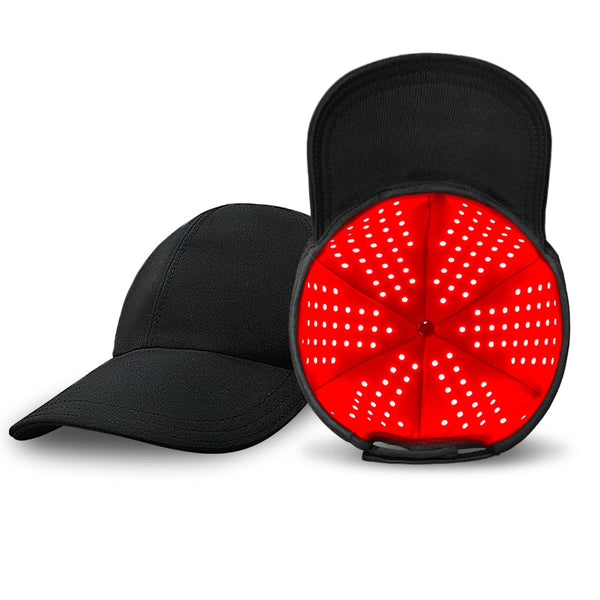
Cap or comb, and which one you will actually keep using
This is the whole decision. Both formats put light on the scalp and they demand completely different things from you.
| Cap | Comb or brush | |
|---|---|---|
| Session | Put it on, walk around, hands free | Hold and move it through sections, full attention |
| Coverage | Whole scalp at once | Wherever you take it, easy to miss areas |
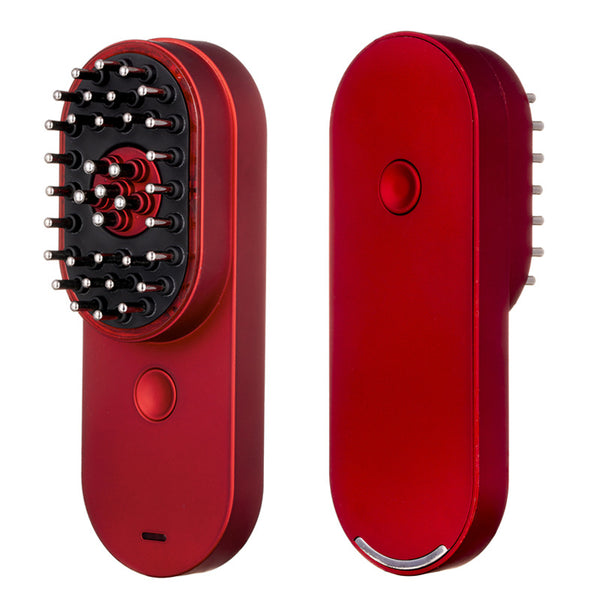
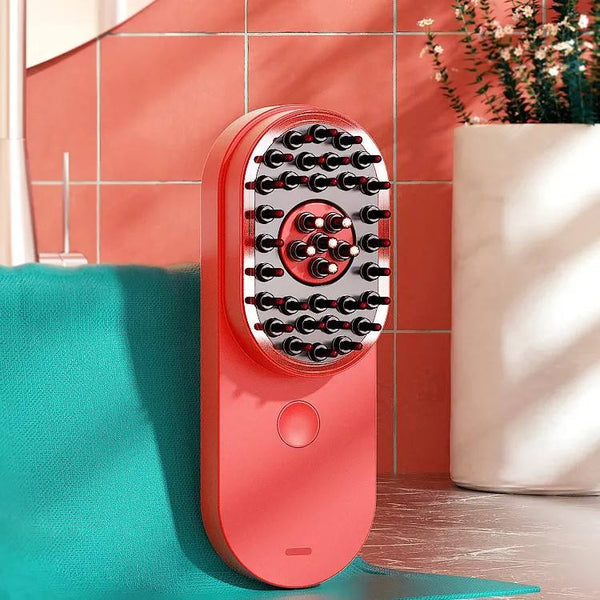
| Reaching skin through hair | Depends on LED spacing and hair density | Teeth part the hair, so contact is better |
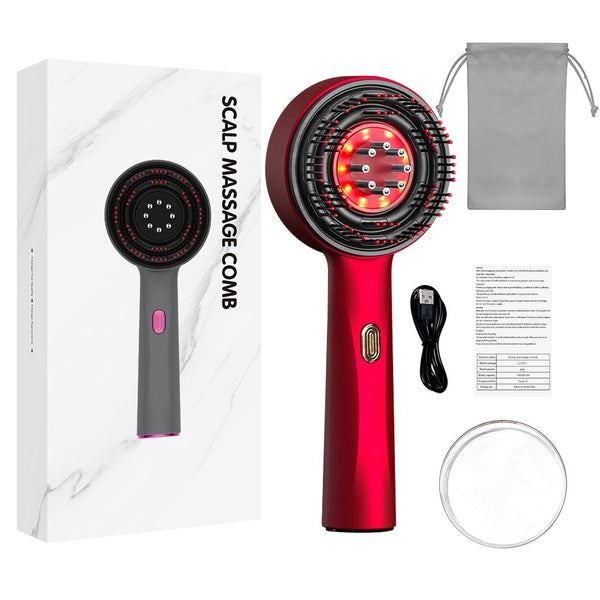
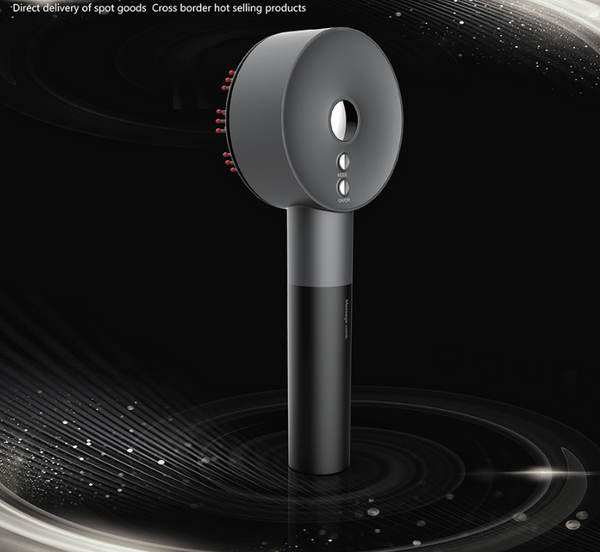
| Extras | Usually light only | Often adds massage, heat or serum application |
| Keeping the habit | Easy, it costs no attention | Harder, it costs ten minutes of doing nothing else |
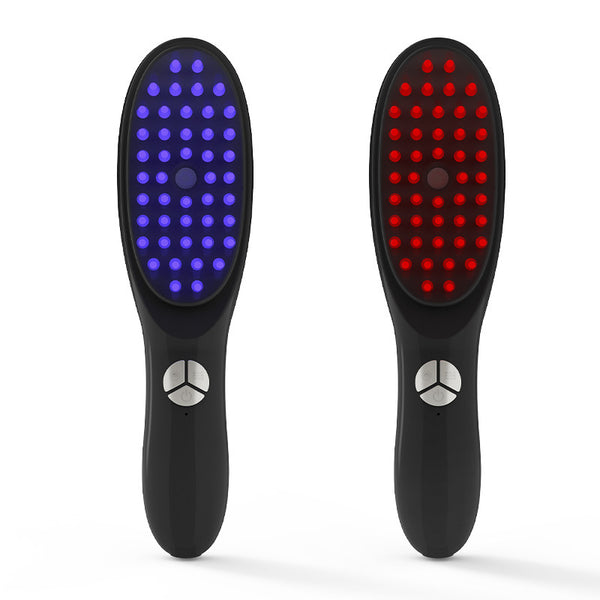
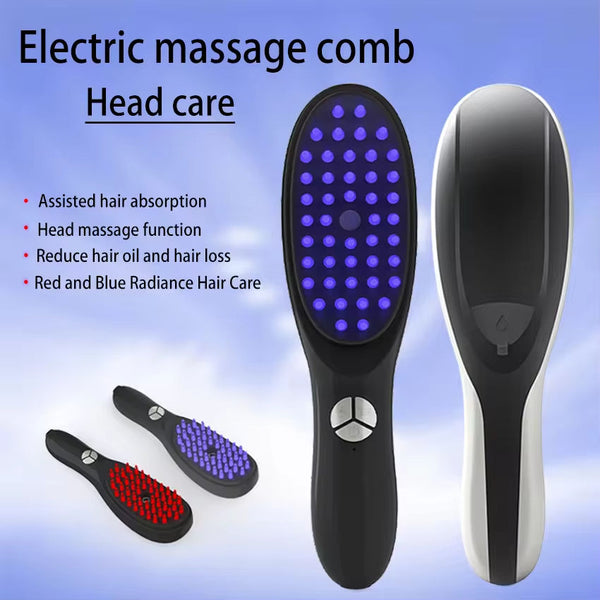
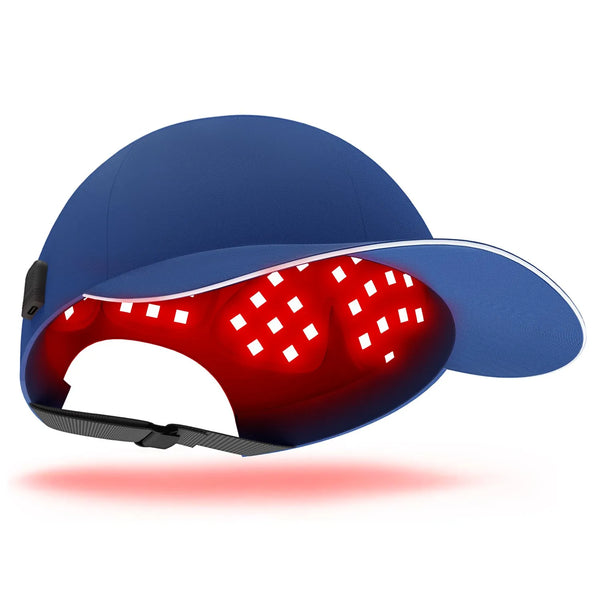
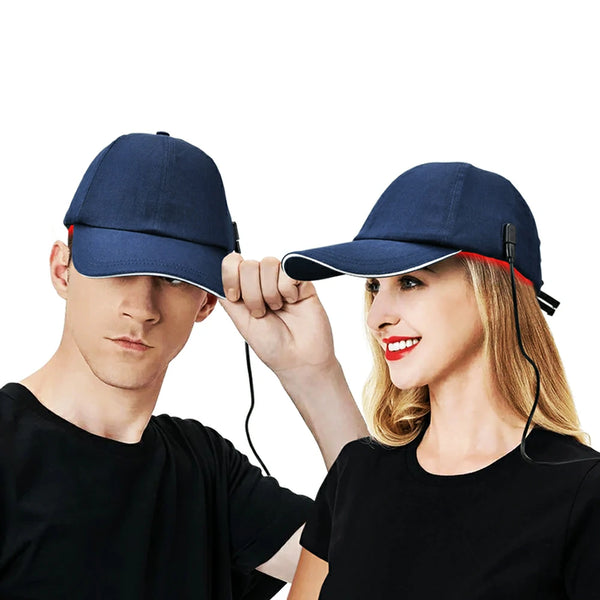
If you want one device and want to still be using it next spring, buy the cap. The hands free part is not a convenience feature here, it is the difference between a device that gets used four times a week and one that gets used twice and then lives in a drawer. Combs are better at getting light through thick hair, which is a real advantage, but only if you use them.
Getting light to the scalp
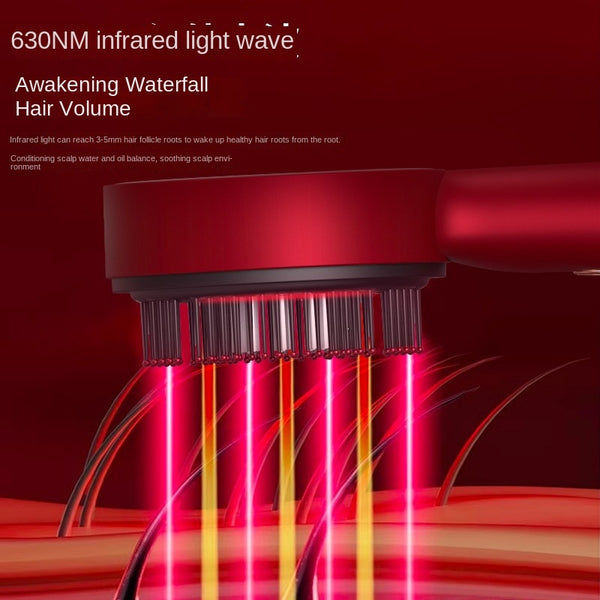
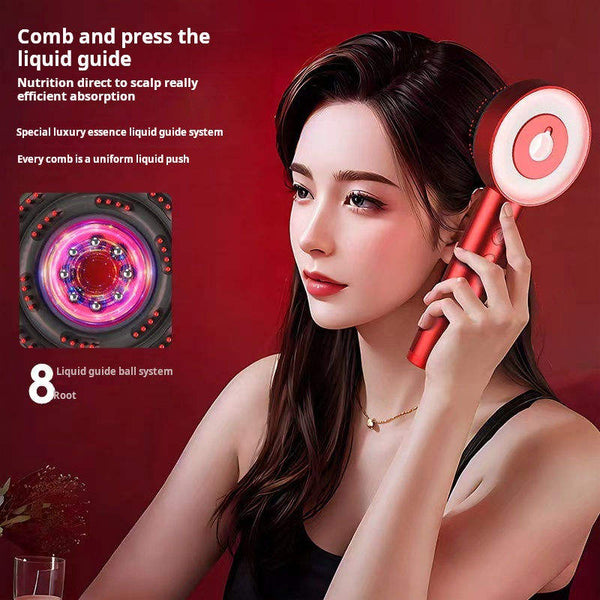
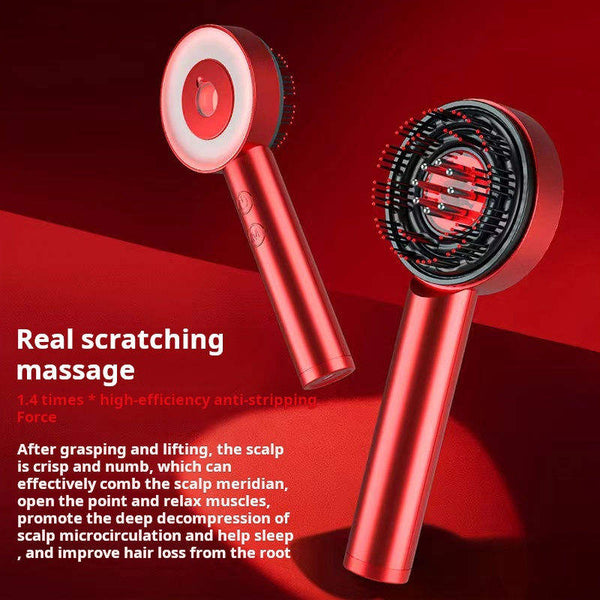
Hair blocks light. That is the central problem this category has to solve, and it is why comb style devices exist at all. If your hair is fine or thinning, a cap works well because there is less between the LEDs and your skin. If your hair is thick, a cap may be lighting the tops of your hairs rather than your scalp, and a comb that parts as it goes will do more.
Whichever you choose, use it on dry, clean, product free hair. Styling product sits on the surface and blocks light, and wet hair does the same.
Wavelengths
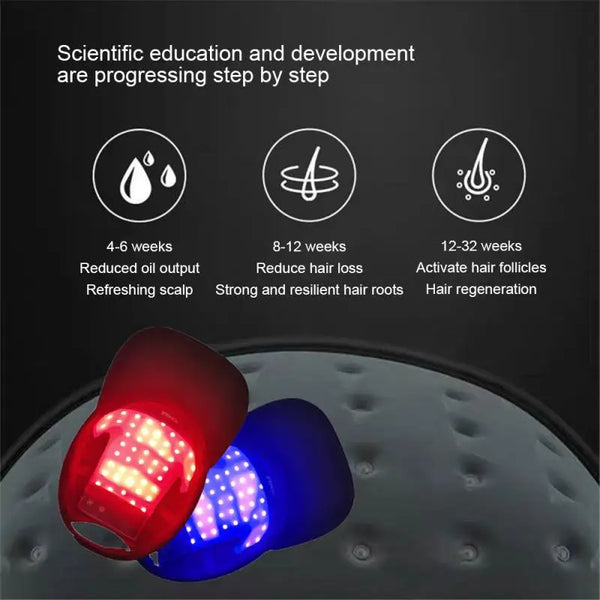
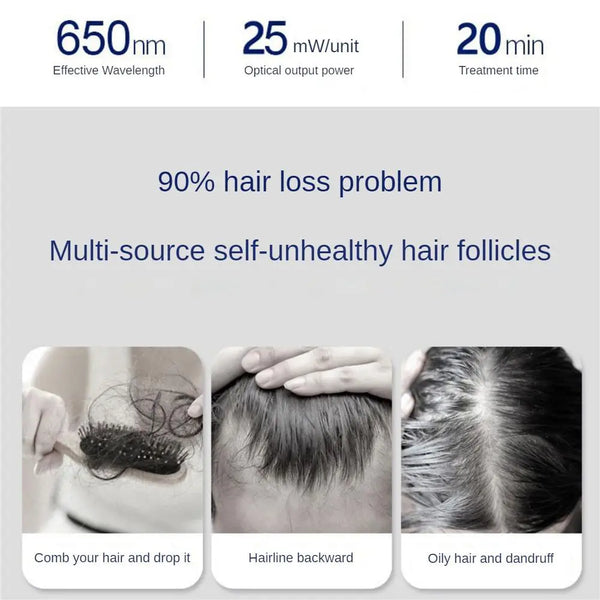
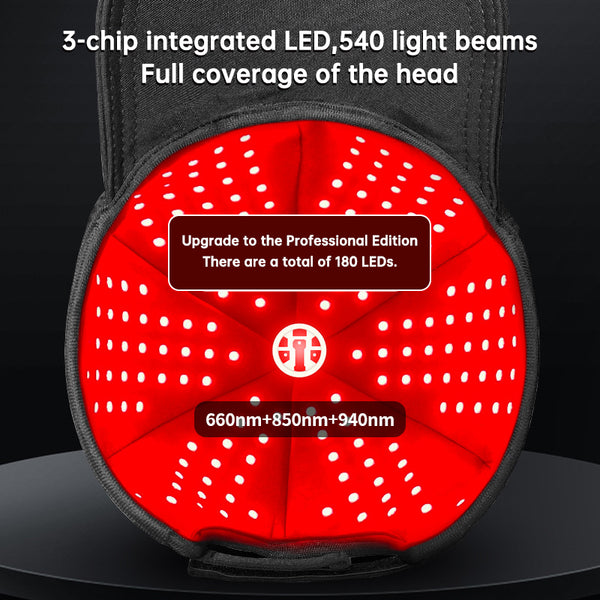
You will see 650nm or 660nm red paired with 850nm near-infrared, and some caps add 940nm. Red is the wavelength most of the hair research uses. Near-infrared reaches further and is included on most devices. 940nm sits deeper still and is the least evidenced of the three, so treat it as a bonus rather than a reason to choose one cap over another.
LED count and coverage
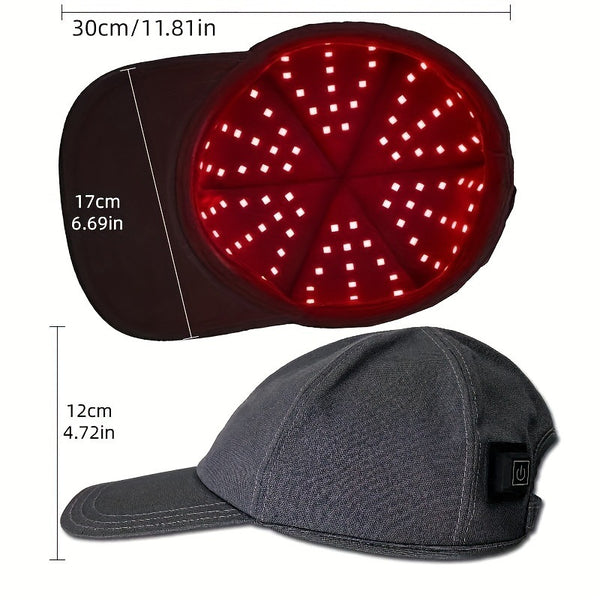
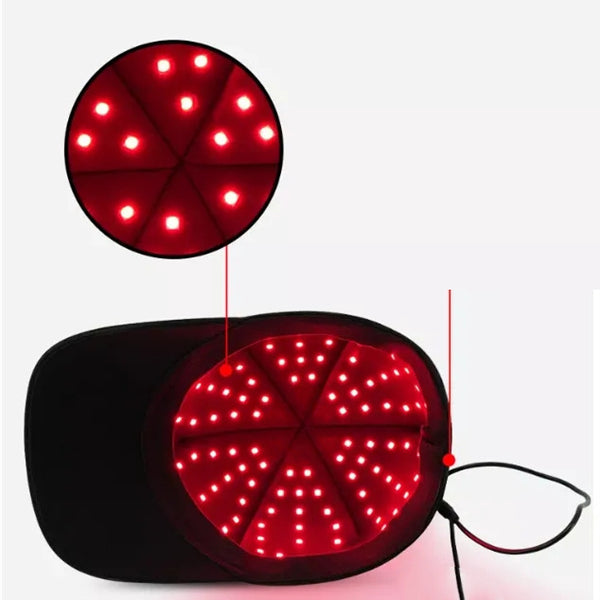
Caps here range widely in LED count. More diodes across the same cap means denser coverage and fewer gaps, which does matter, because a sparse cluster concentrated at the crown leaves the temples and hairline untreated. Check where the LEDs sit as well as how many there are. A cap with fewer, evenly spread diodes can cover you better than one with more packed into a small zone.
The honest part
Light therapy for hair works best on thinning, not on scalp that has been bare for years. Follicles that are still present but producing finer hair are the realistic target. If an area has been smooth for a decade, no device here will change that, and anyone telling you otherwise is taking your money. Set expectations at six months minimum before judging anything.
Devices that bundle serum application are convenient rather than more effective. The serum does what the serum does and the light does what the light does, and buying them combined does not multiply either.
Related collections
Caps sit in the wider strap on and wearable device range alongside belts and gloves. If facial skin is also on your list, the facial light therapy devices cover that. For working a single patch of scalp with more intensity than a cap provides, a pen from the spot treatment devices you hold in one hand is the closer tool.
These products are intended for general wellness purposes only. They are not intended to diagnose, treat, cure or prevent any disease or medical condition.