

Two different reasons to buy something here
This collection holds two categories of device that get grouped together and should be understood separately.
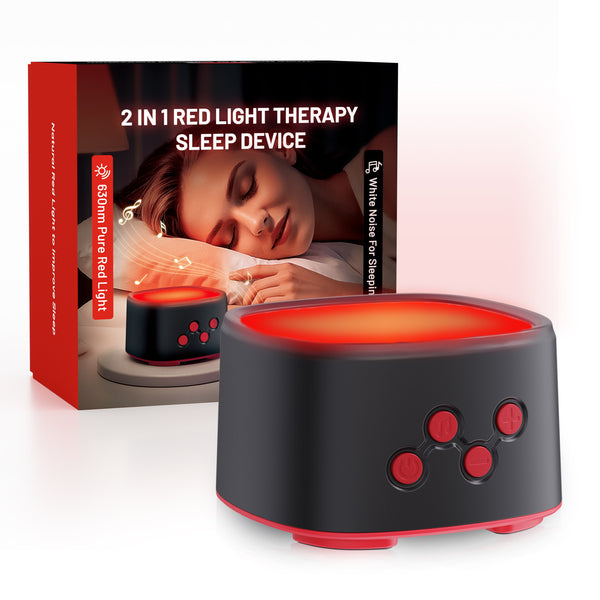
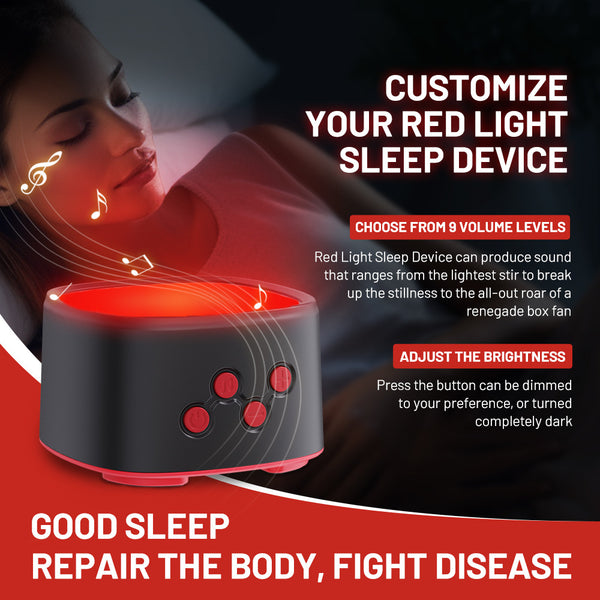
The first is low level red light for the evening, used instead of ordinary room lighting in the hour before bed. The argument is about wavelength and circadian signalling, not about tissue. Blue and white light in the evening tells the body it is still daytime. Red at the far end of the spectrum does that far less, so a red bedside light lets you see what you are doing without the same signal.
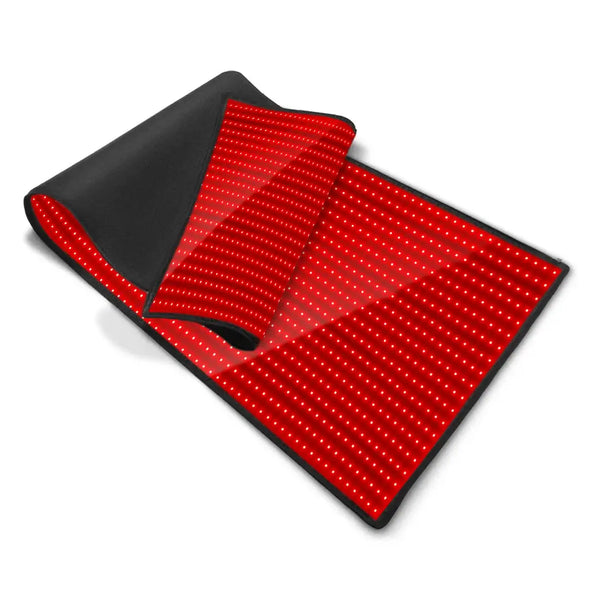
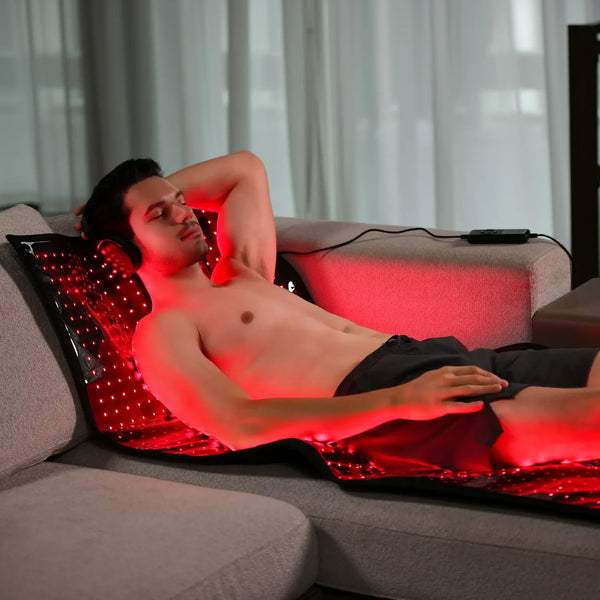
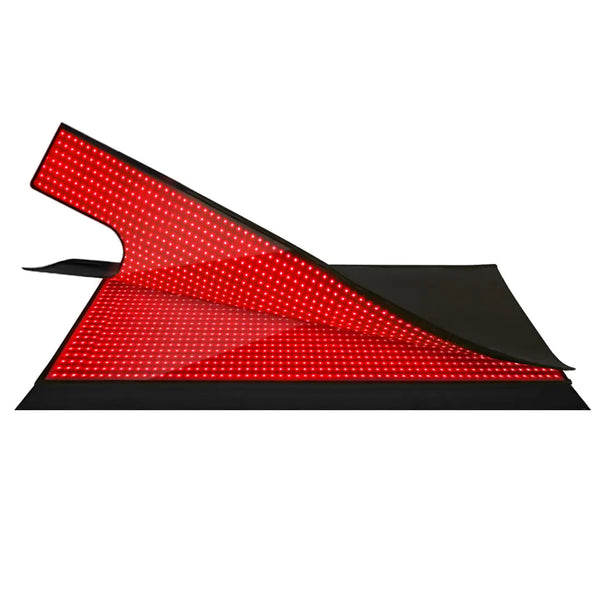
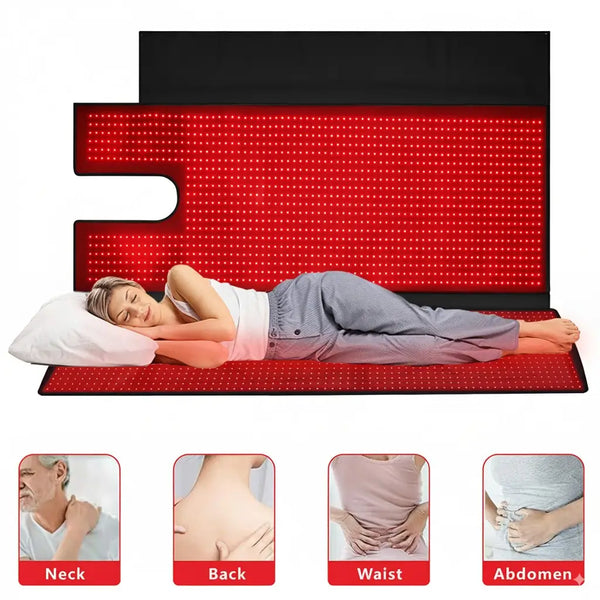
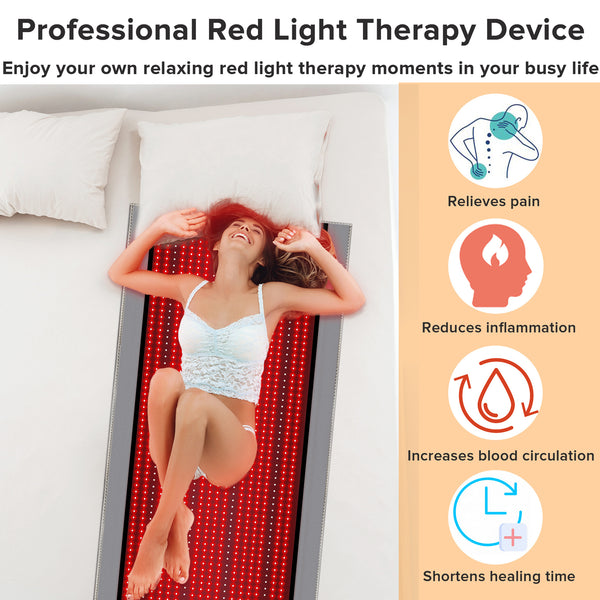
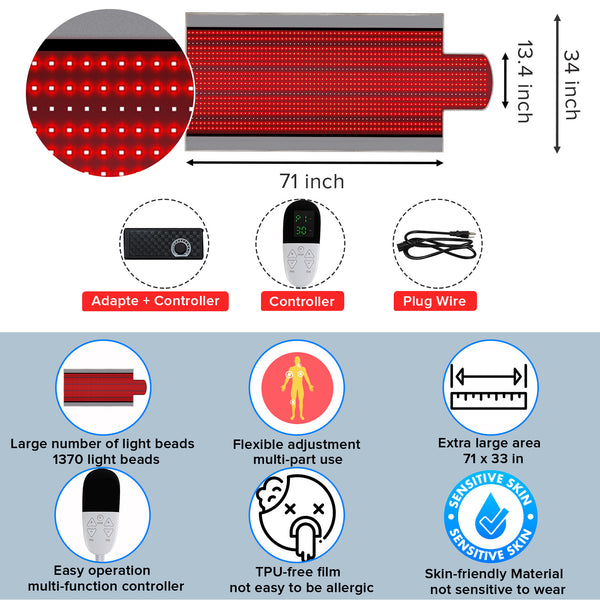
The second is full body light therapy used as a wind down routine. Lying on a mat for twenty minutes in a dim room is relaxing largely because of what it is, which is twenty minutes of lying still. The light may or may not be doing something. The stillness certainly is, and there is nothing wrong with buying a device that makes you do it.
Which one you want
| If your problem is | Look at | Because |
|---|---|---|
| Screens and bright lights late at night | Bedside red light unit | Replaces the lighting, not the routine |
| Winding down after a busy day | Full body mat | Enforces twenty minutes of doing nothing |
| Unfamiliar rooms and travel | Compact sleep device | Portable, and often adds white noise |
| Aches keeping you awake | A wrap, not a sleep device | Different problem, different tool |
Being honest about intensity
Evening light devices should be dim. A powerful therapy panel run at nine at night is a very bright light source, and brightness itself is stimulating regardless of colour. If you use a full body device as part of a wind down, run it earlier in the evening rather than immediately before bed, and keep the bedside units low.
Nothing in this category should be running while you sleep. Timers exist on these devices for a reason and there is no benefit to an all night session.
What a red light will not fix
If you cannot sleep because you are anxious, in pain, drinking coffee at six, or looking at a phone in bed, a red light will not solve it and buying one may just delay dealing with the actual cause. Persistent insomnia is a medical matter, not a lighting one.
Where these devices genuinely help is in removing one specific input, which is bright blue heavy light in the last hour of the day. That is a narrow claim and it is the honest one.
The cheapest option is often enough
If all you want is to stop using bright overhead lights at night, a small bedside red unit does the job for very little. You do not need a full body system for that. Buy the mat because you want whole body sessions, not because it is filed under sleep.
Placement in the room
A red unit works best as the only light on, positioned low and out of direct line of sight, so it lights the room rather than your eyes. Putting one on a high shelf pointing at the sofa defeats the purpose. Low and indirect is the setup, the same way a lamp beats an overhead light for the same task.
Related collections
For whole body sessions in general rather than as an evening routine, see the full body mats and sleeping bags. If discomfort is what keeps you awake, belts you can wear in the evening address that directly. For hotel rooms and unfamiliar beds, the small devices for hotel rooms pack down small. Tired eyes at the end of the day are covered by the devices for tired eyes and dark circles.
These products are intended for general wellness purposes only. They are not intended to diagnose, treat, cure or prevent any disease or medical condition.