



Choosing an LED face mask
The decisions here are shell type, which colours you actually need, and whether the mask is corded. Everything else on a spec sheet is secondary, and colour count in particular is the number most likely to talk you into paying for capability you will not use.
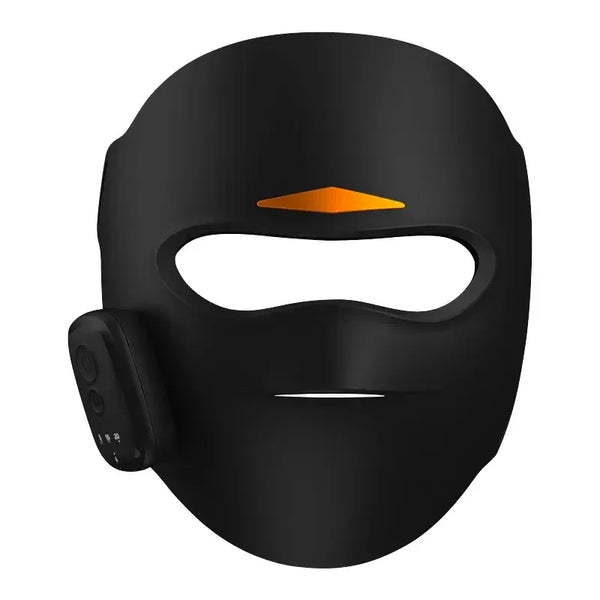
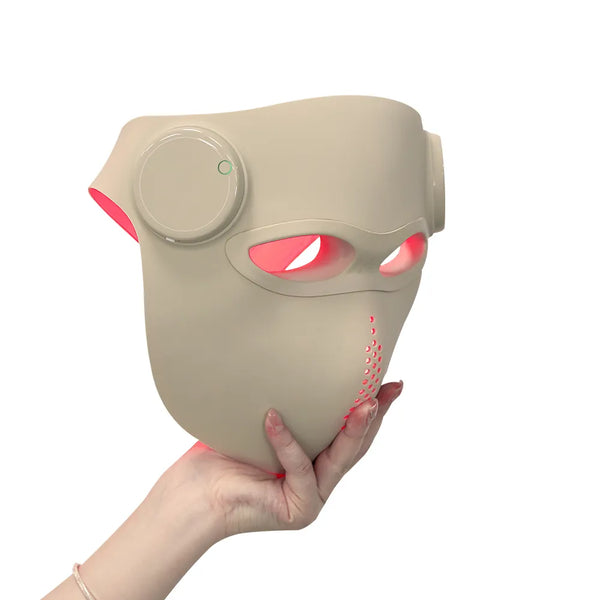
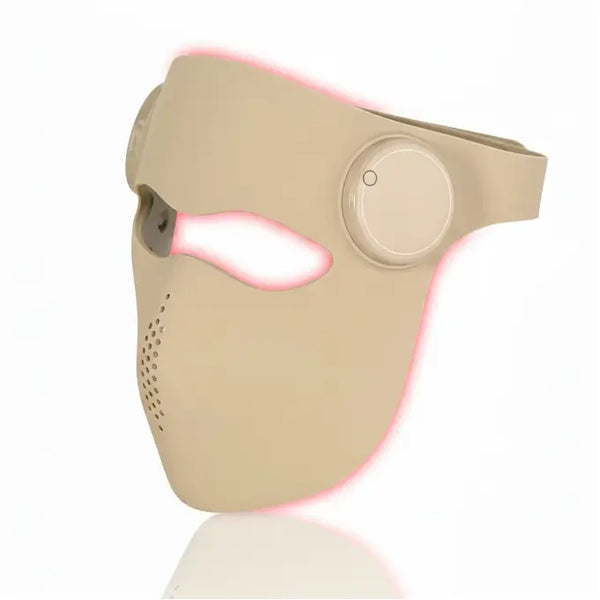
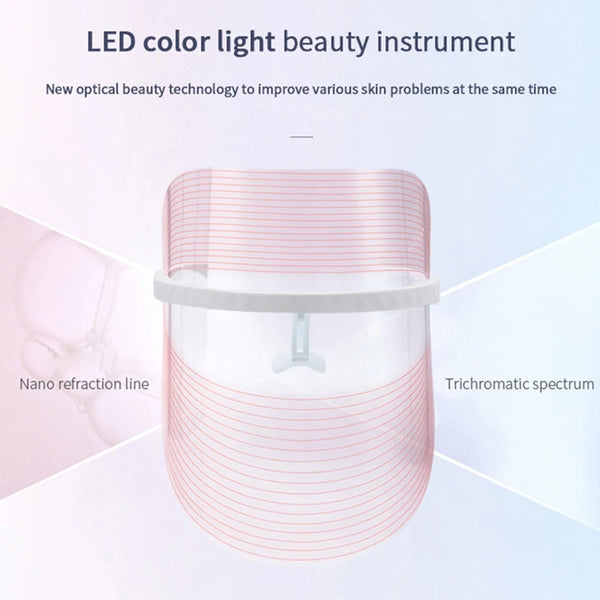
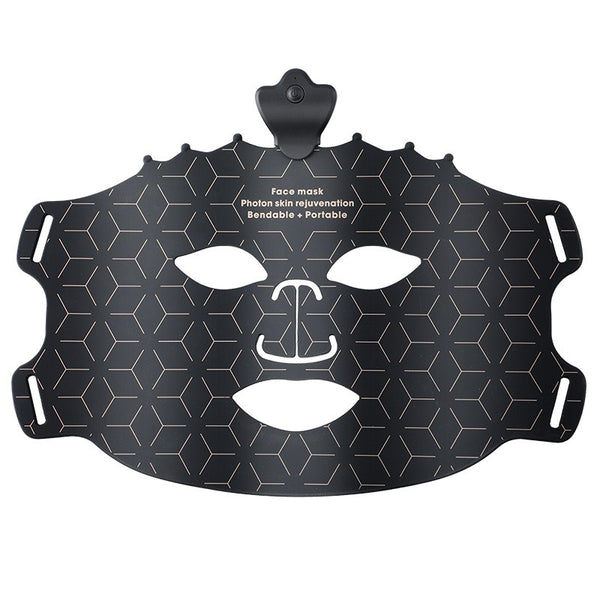
Rigid shell or flexible silicone
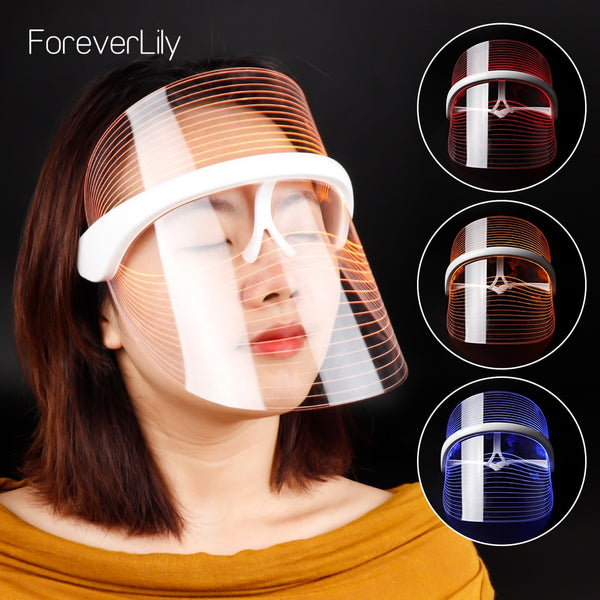
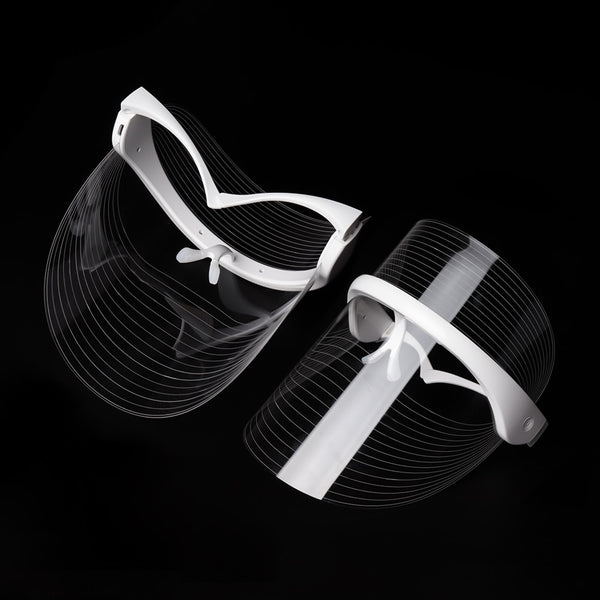
| Rigid shell | Flexible silicone | |
|---|---|---|
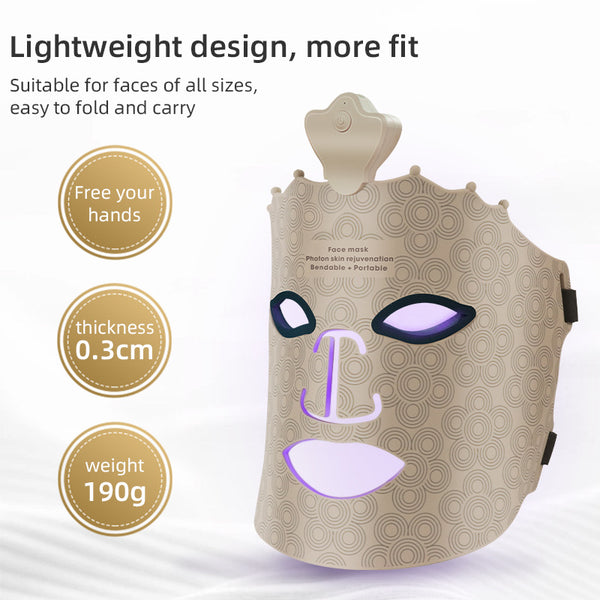
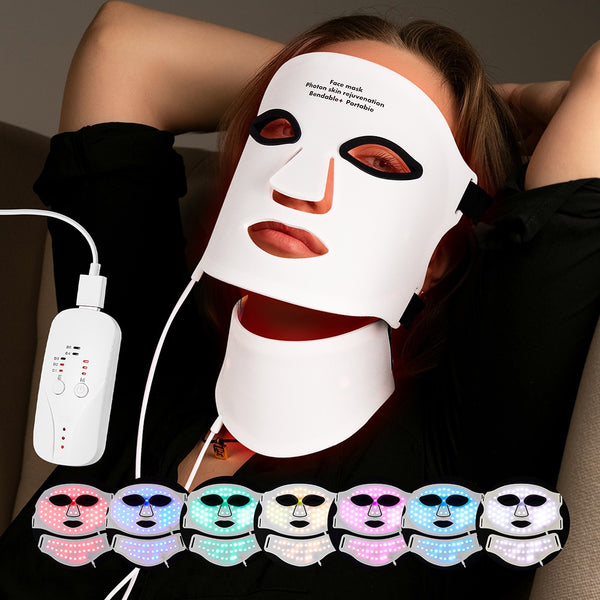
| Contact with skin | Sits a short distance off the face | Moulds to the face, close contact throughout |
| Coverage of nose and jaw sides | Patchy on those contours | Follows the contours |
| Comfort lying down | Can press at the edges | Comfortable in most positions |
| Durability | Holds shape indefinitely | Can crease over time if folded badly |
| Cleaning | Wipe the inner surface | Wipes clean, silicone tolerates it well |
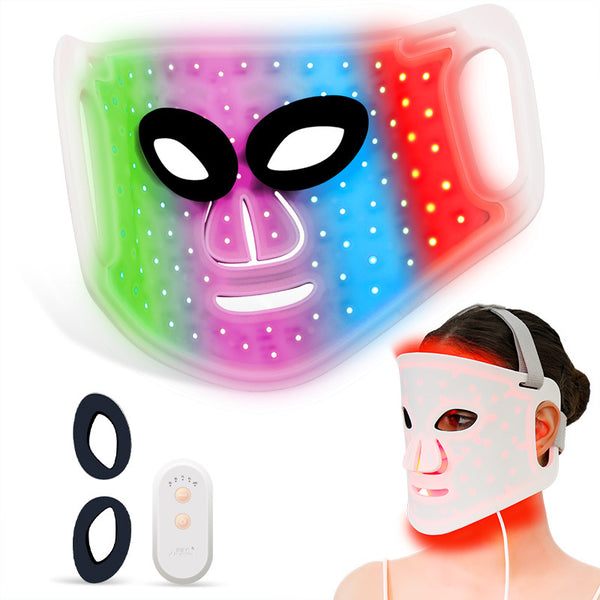
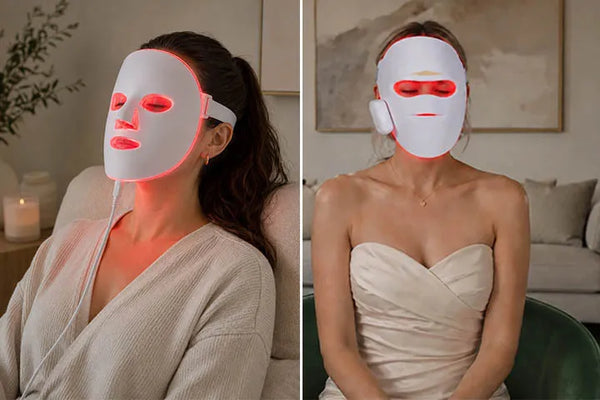
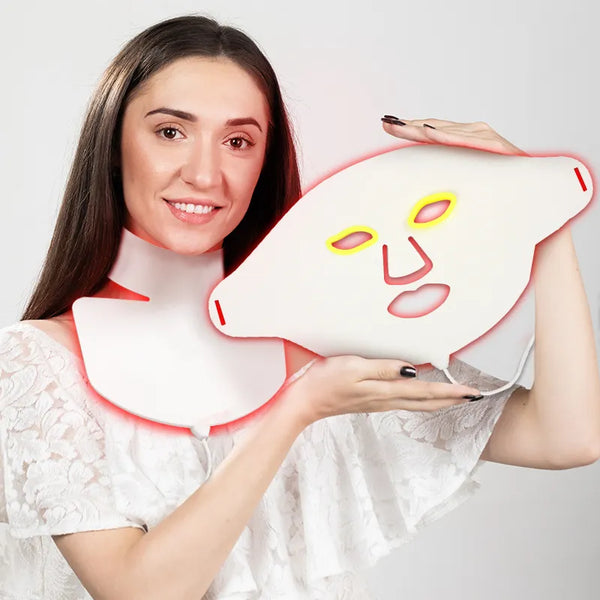
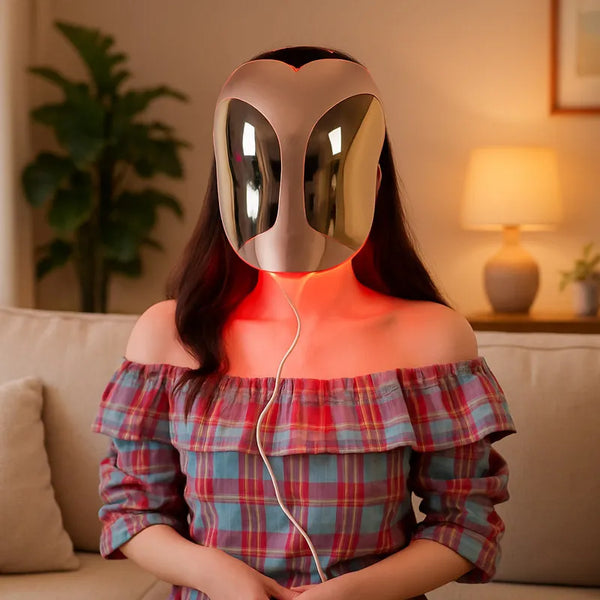
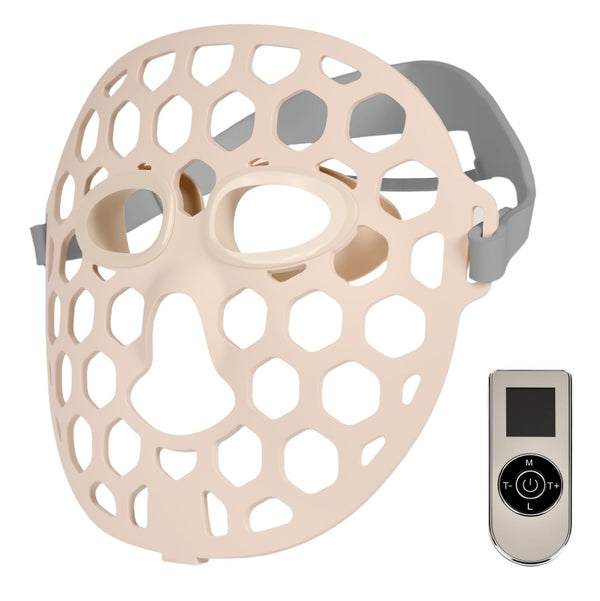
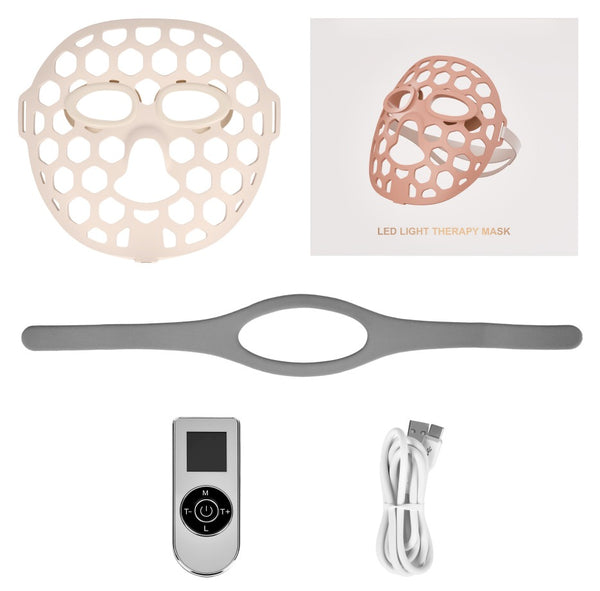
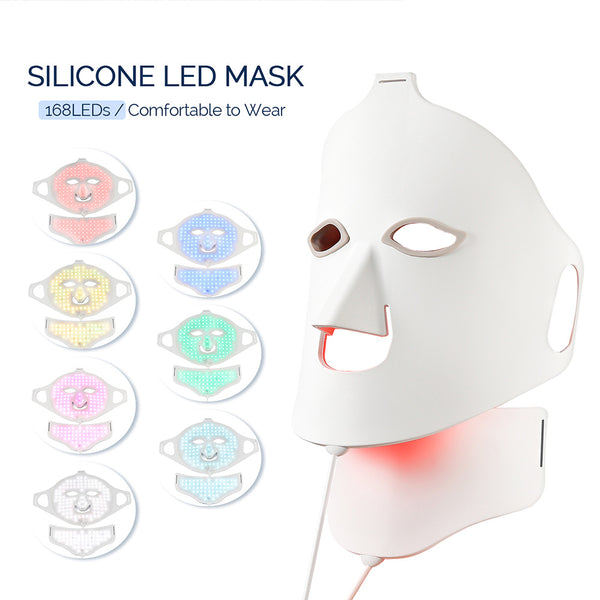
Silicone is the better format for most faces, because the gap between a hard shell and your skin costs you light exactly where the face curves away. Rigid shells have their place if you want something that keeps its shape in a drawer and you are treating mainly forehead and cheeks.
What each colour actually does
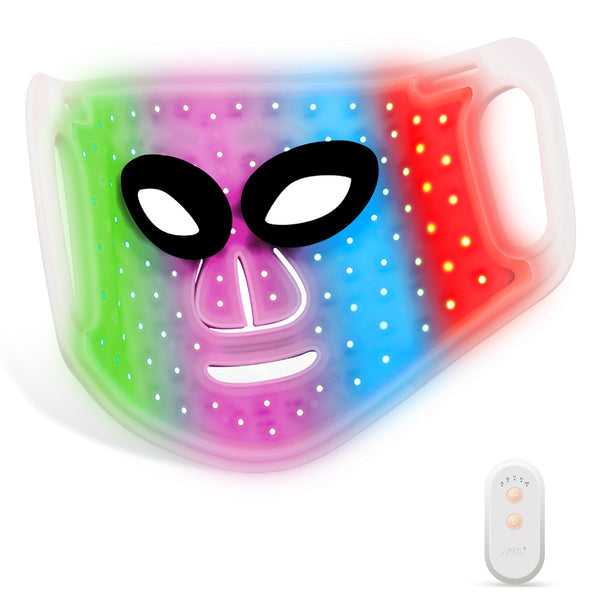
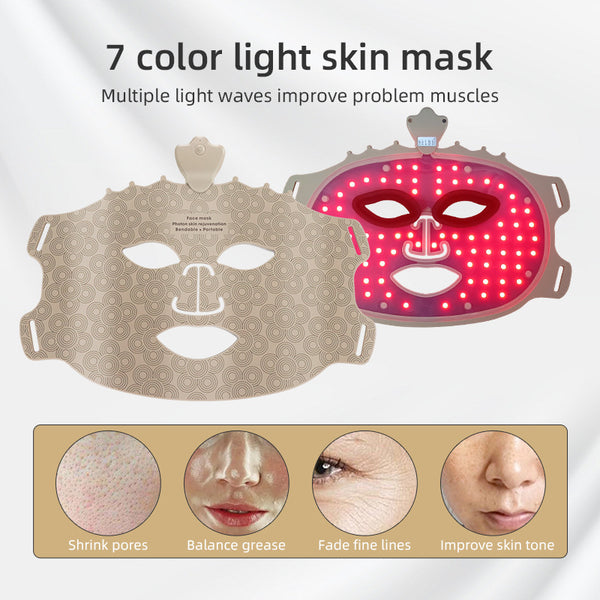
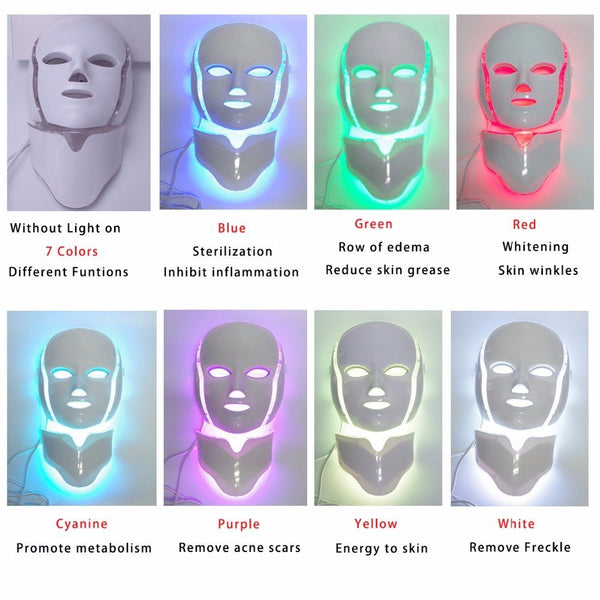
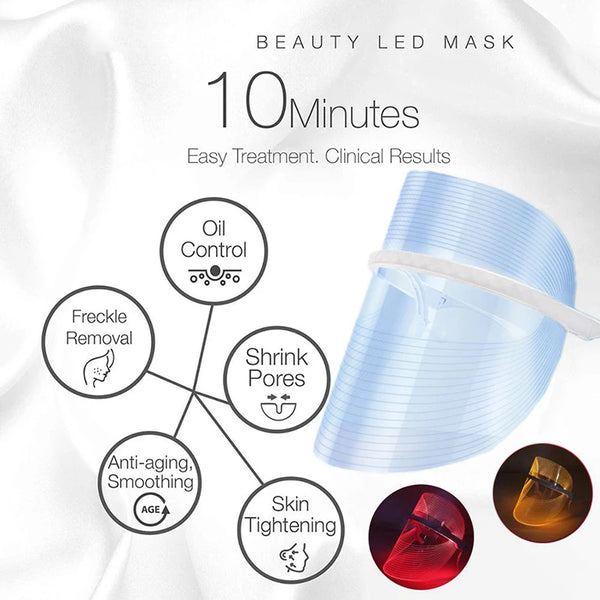
Red at roughly 630nm to 660nm is absorbed in the upper skin layers and is the wavelength most associated with texture and tone. Near-infrared at 850nm passes deeper. Blue at around 460nm stays right at the surface and is the one linked to blemish prone skin. Yellow, green, purple and the rest have far thinner evidence behind them.
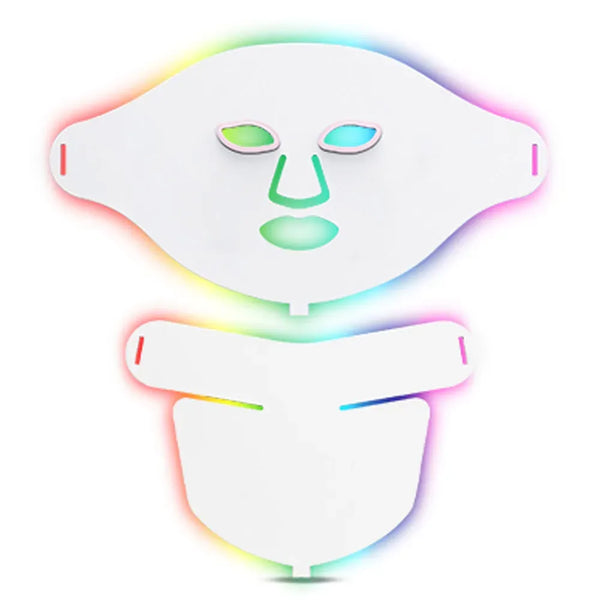
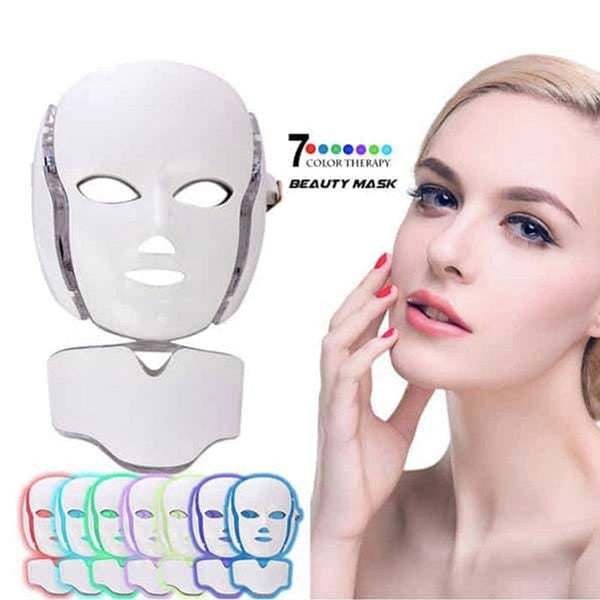
A three colour mask covering red, near-infrared and blue does nearly everything a seven or eight colour mask does. The extra colours are mostly there to make the specification list longer. If two masks are otherwise similar and one has more colours, that is not a reason to pay more.
Wireless or corded
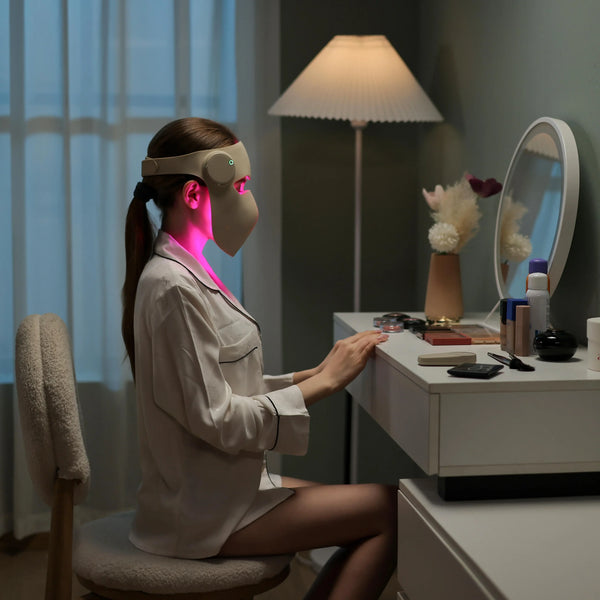
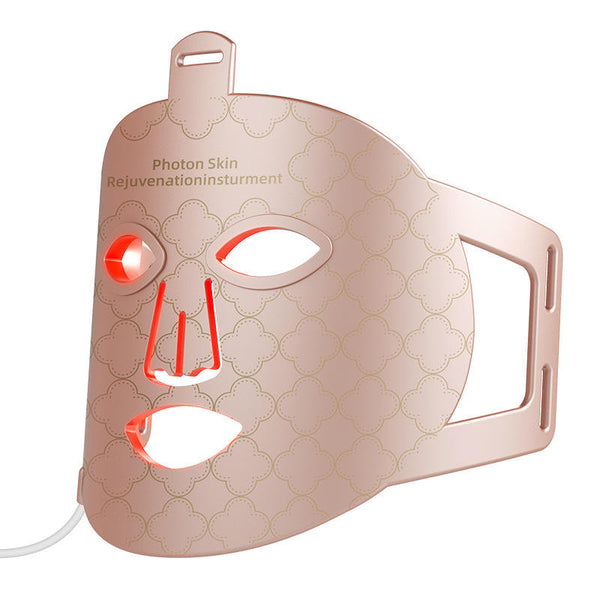
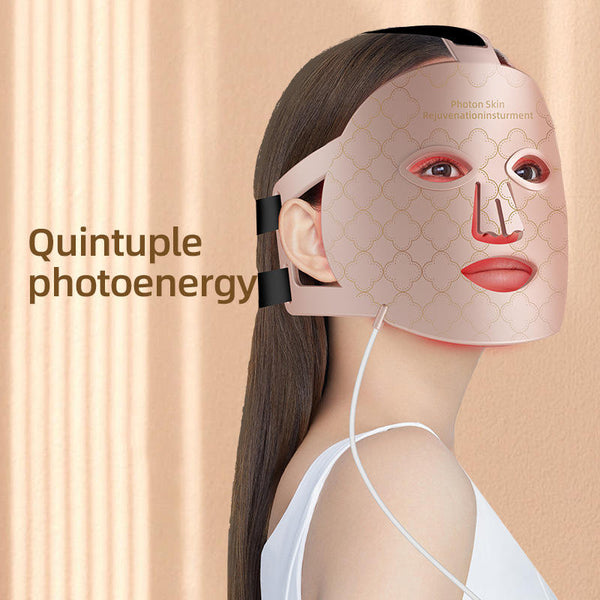
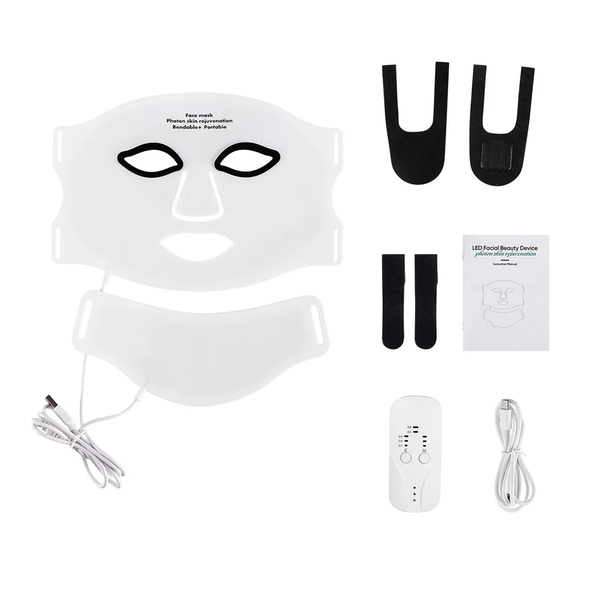
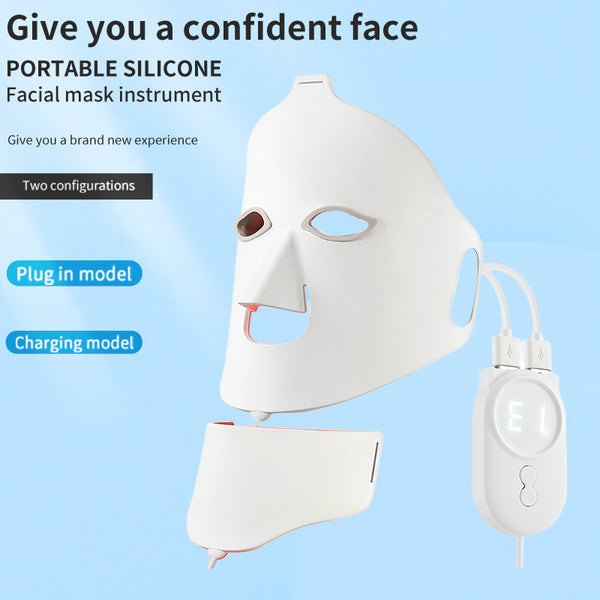
Wireless masks let you move around during a session, which matters if the alternative is sitting beside a socket for fifteen minutes. Corded masks hold output steady and never run flat. Neither is clearly better, so pick based on where in your home you will actually use it.
Masks against wands and handheld tools
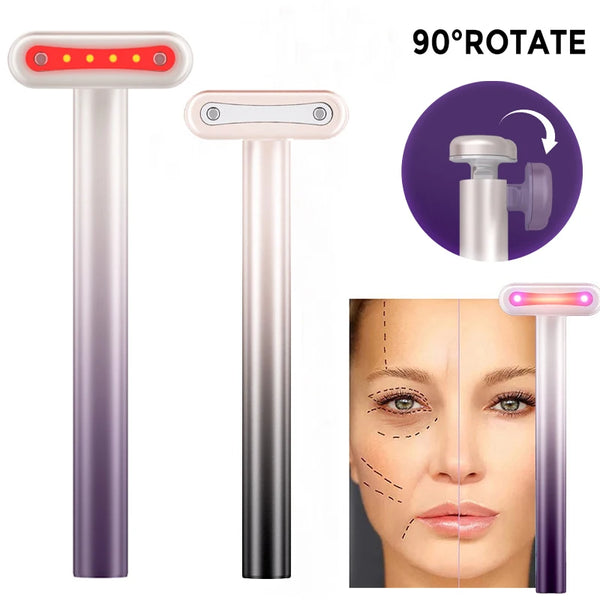
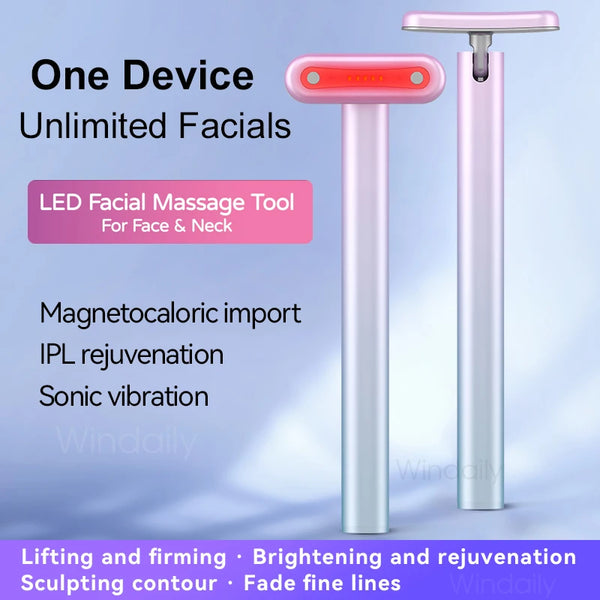
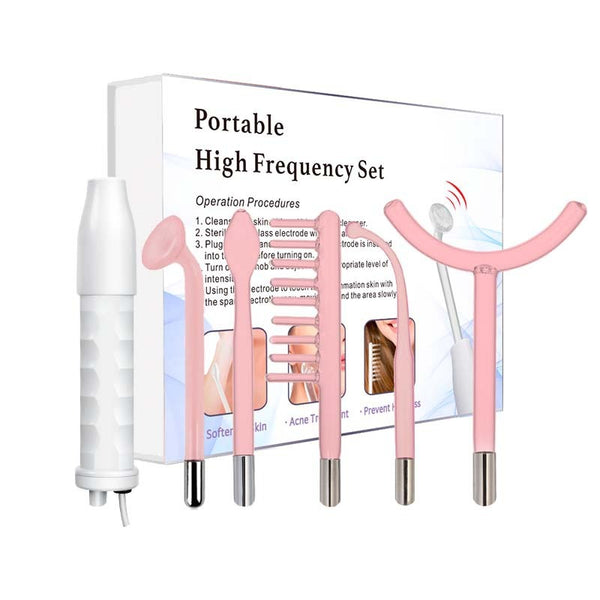
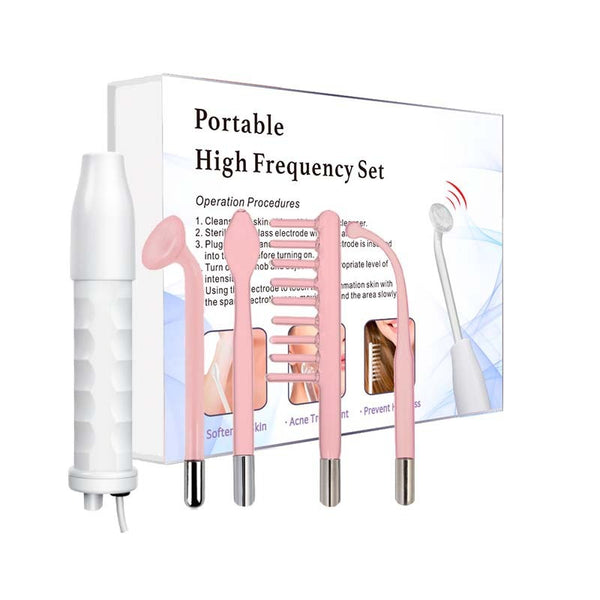
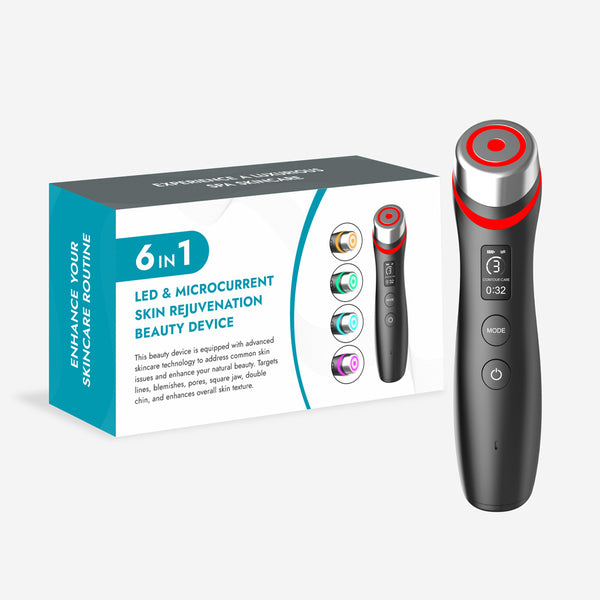
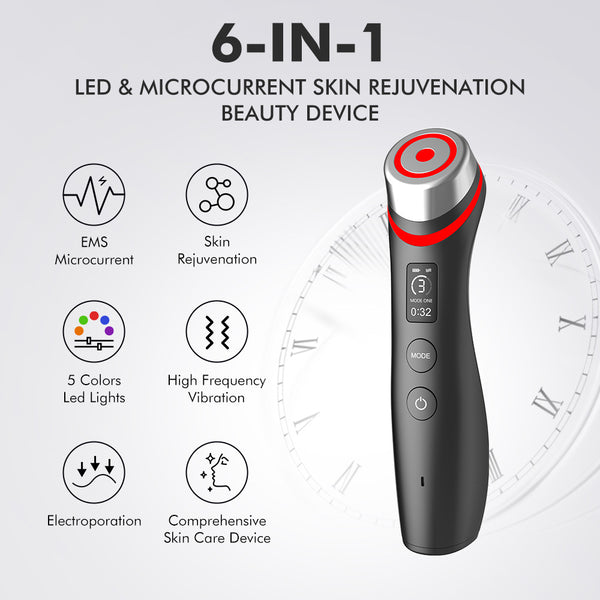
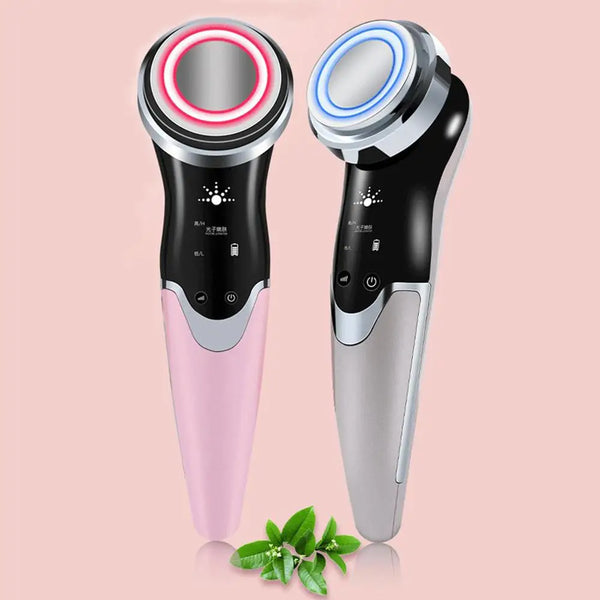
Masks treat everything at once and need no technique. Wands, microcurrent tools and facial devices treat small areas and need you to move them, which means the session is only as good as your patience with it. For an evening routine you want to keep for months, the mask wins on consistency. For a specific area you want to work on, a handheld tool gives you control a mask cannot.
Buying both is reasonable. Buying a wand instead of a mask, then hoping to cover the whole face with it, is how devices end up in a drawer.
Eye protection and session length
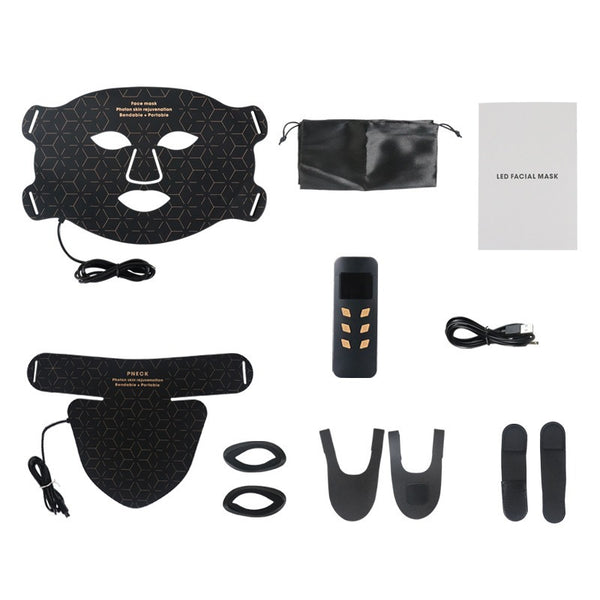
Masks either have closed eye sections or supplied goggles. Use them. The LEDs sit very close to the eyes and staring into bright light for fifteen minutes is unpleasant at best. Sessions typically run 10 to 20 minutes and most masks time this automatically. Running longer adds nothing.
Cleaning, which people skip
Silicone masks touch your whole face for fifteen minutes and then usually go straight back in a drawer. Wipe the inner surface after every session. It takes ten seconds and it is the difference between a device that helps your skin and one that redistributes oil around it. Rigid shells need the same treatment on the inner face, particularly around the nose and chin where they make contact.
Related collections
If fine lines and firmness are the specific goal, the devices aimed at fine lines and skin firmness narrow this down. For blemish prone skin, blue and red light for blemish prone skin is the closer section. The area around the eyes is thin and creases first, and the under eye and eye massage devices are built for it. For something that fits in hand luggage, see travel sized light therapy.
These products are intended for general wellness purposes only. They are not intended to diagnose, treat, cure or prevent any disease or medical condition.