

Building recovery light therapy into training
Recovery devices only work if they survive contact with a real training week. The best specification in the world loses to a device that takes ten minutes to set up when you get home tired. Choose for the session you will actually run on a Tuesday evening, not the one you imagine running.
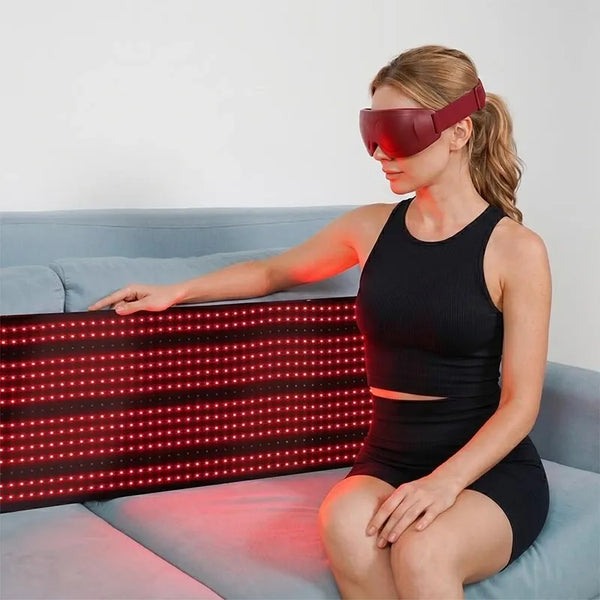
Coverage decides the format
| What you train | Format that fits | Session shape |
|---|---|---|
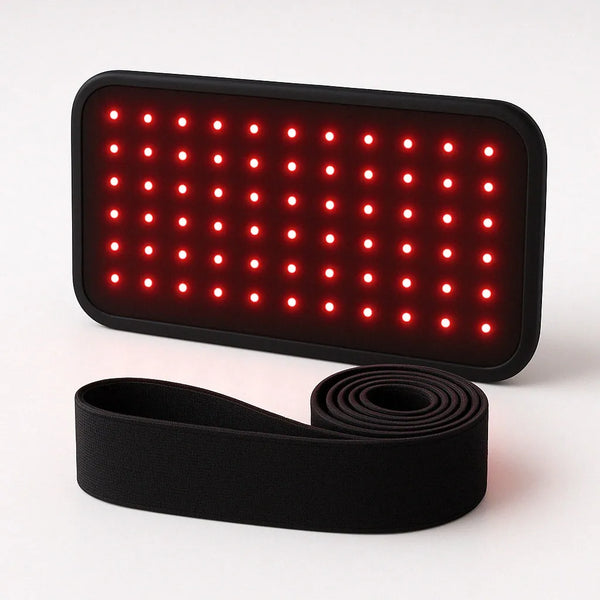
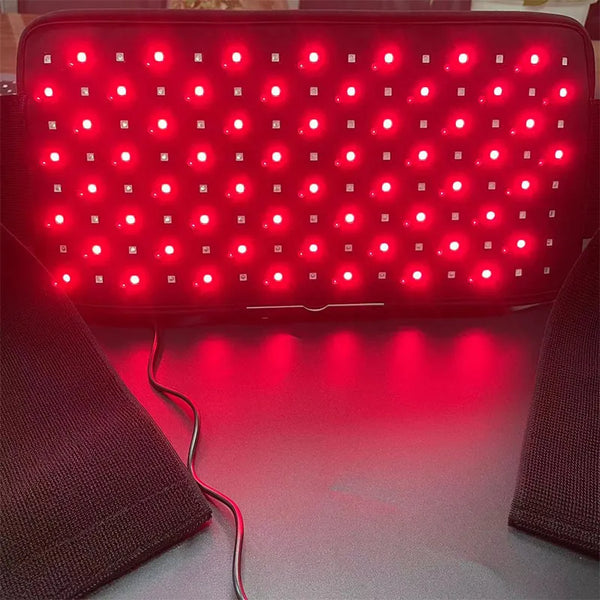
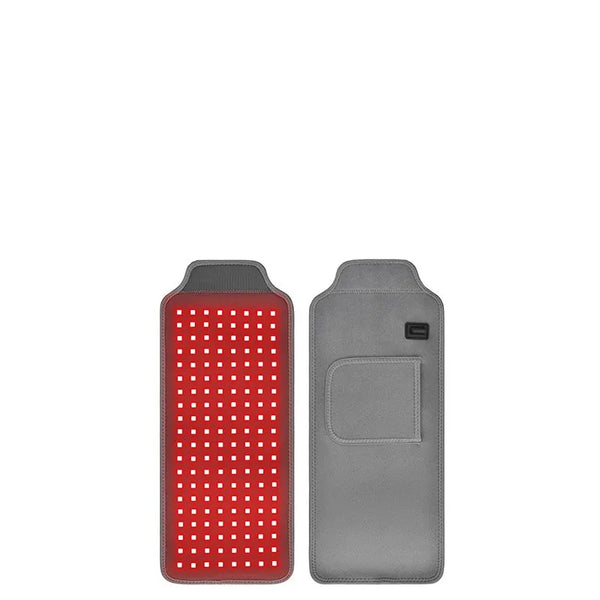
| One problem area, same every week | Cordless wrap | Strap on, carry on with your evening |
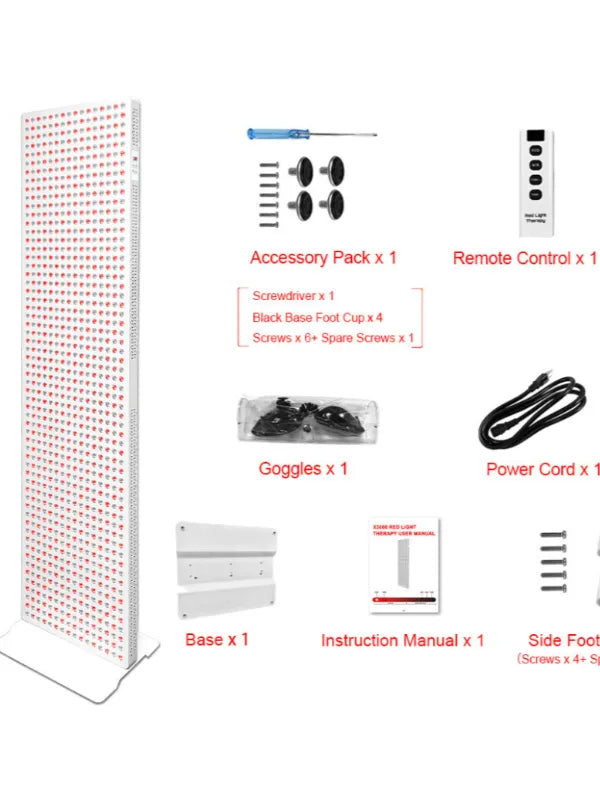
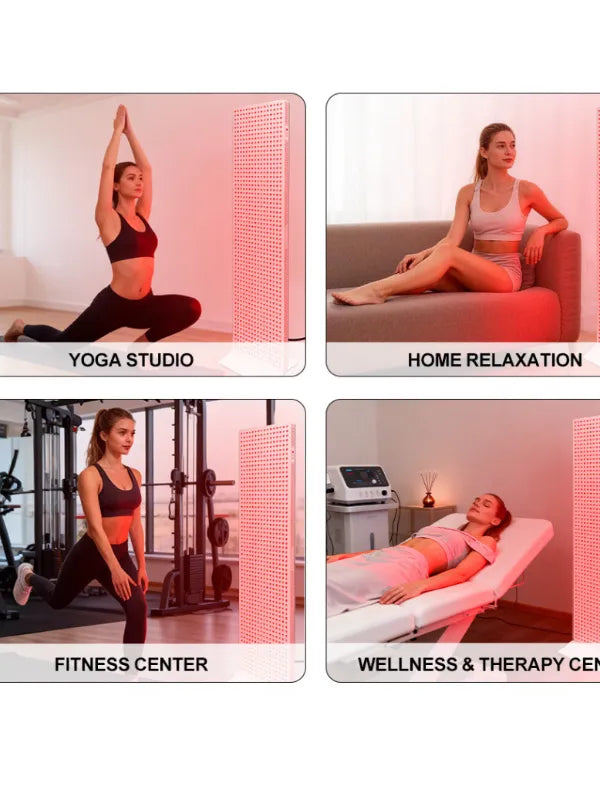
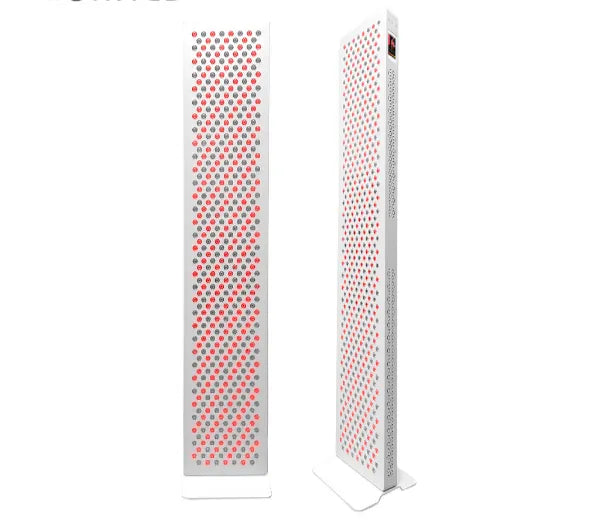
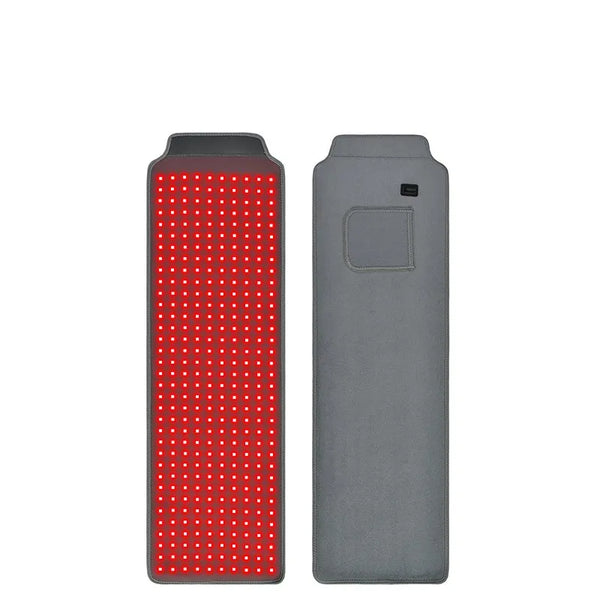
| Legs after running or cycling | Large pad or standing panel | Both quads in one go |
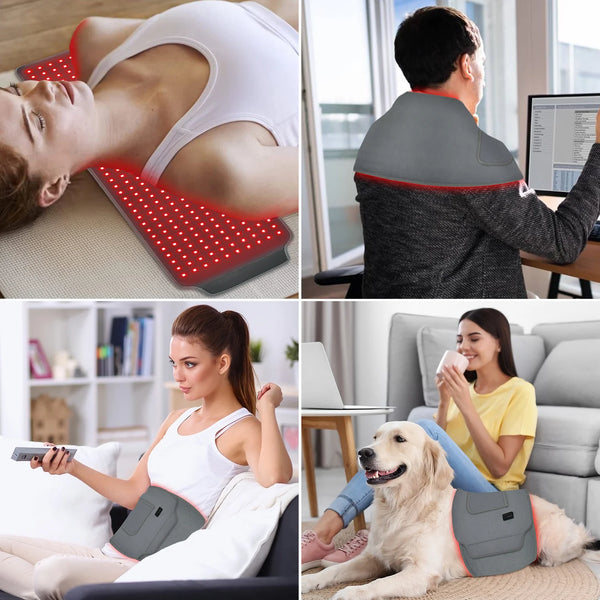
| Back and shoulders after lifting | Shoulder wrap or panel | Wrap if seated, panel if standing |
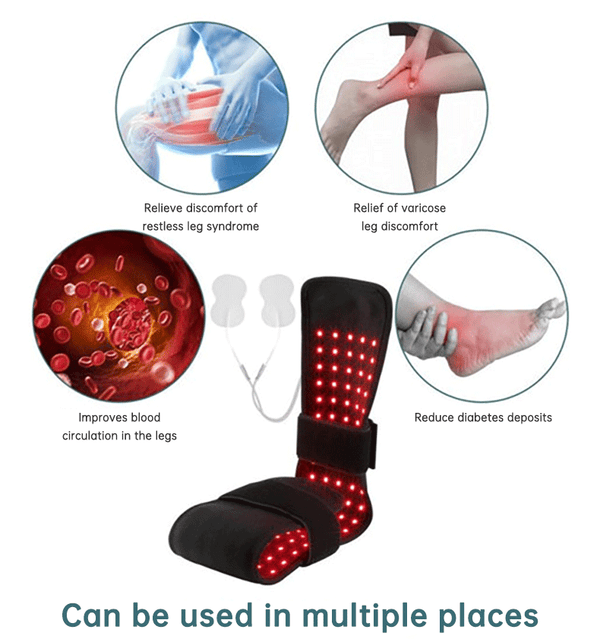
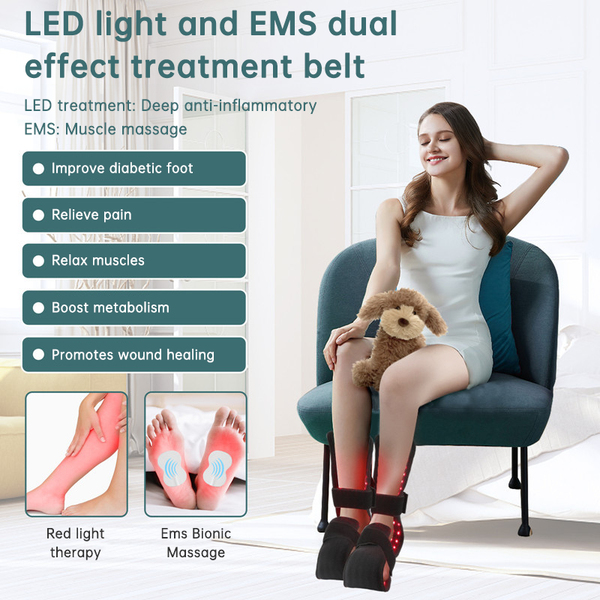
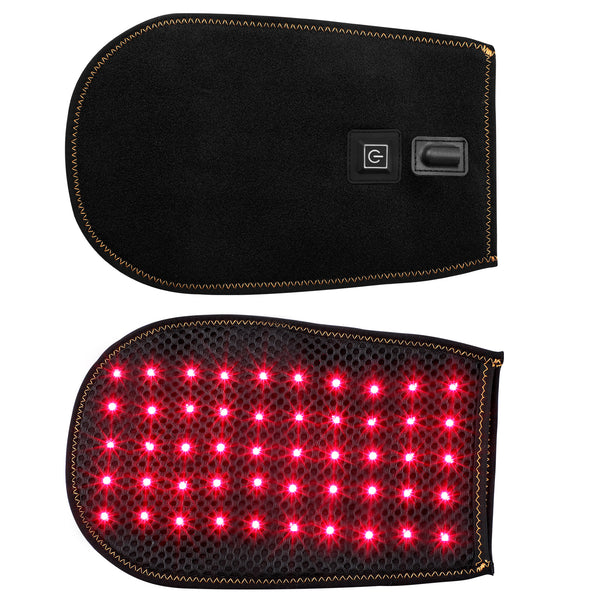
| Feet after long distance | Foot pad | Sitting down, hands free |
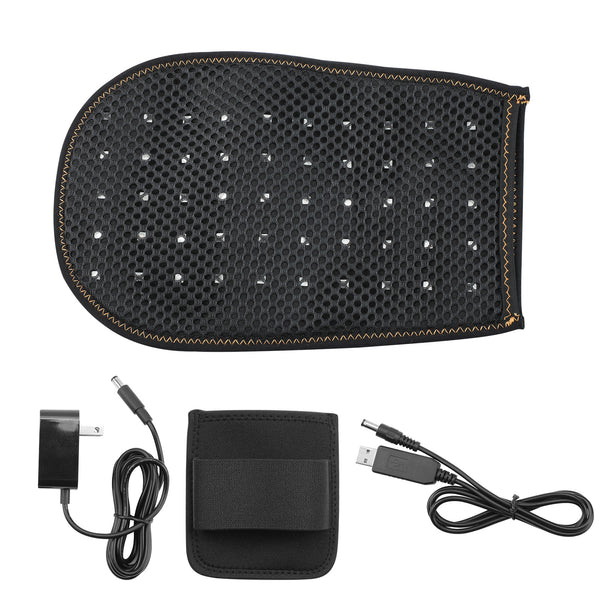
| Hands and grip work | Glove pad | Short session, both hands |
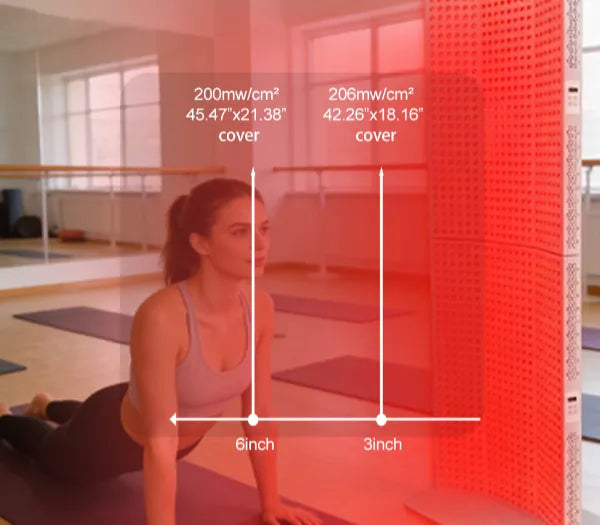
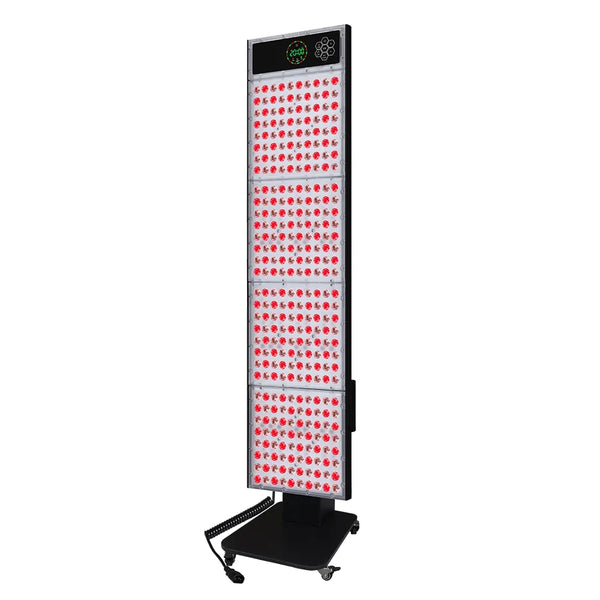
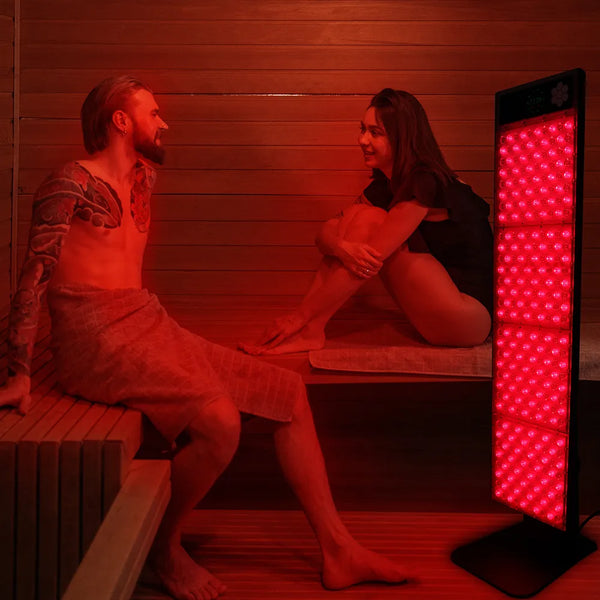
| Whole body, most days | Full body panel | Standing, one side then the other |
Why near-infrared matters more here than anywhere else
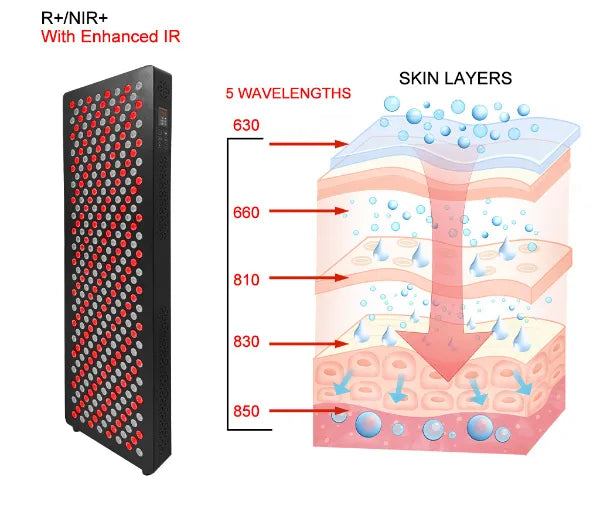
Skin sits at the surface. Muscle does not. Red light at 660nm is absorbed close to the surface and most of it never reaches muscle tissue at all. 850nm near-infrared travels further before it is absorbed, which is why every serious recovery device leads with it.
If a device advertises red light only, it is a skin device being sold into a recovery category. Check the wavelength list before anything else.
Pulsed against continuous
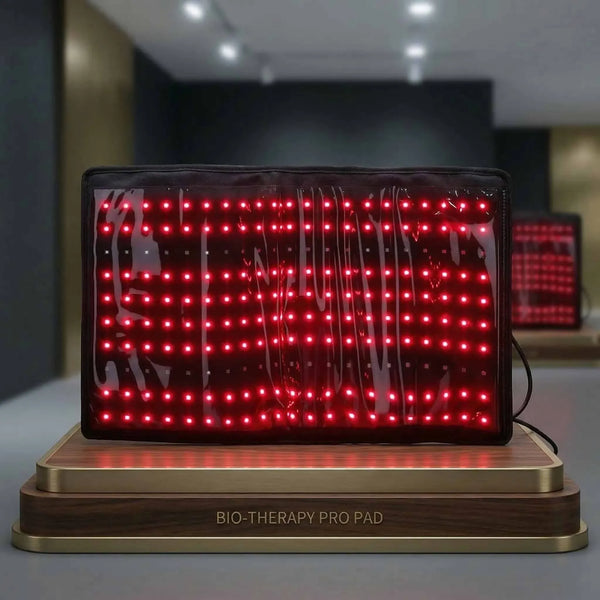
Continuous panels emit steadily. Pulsed panels cycle the output at set frequencies, and the pulse range here covers small units up to full body sizes. Pulsing lets a device run higher peak output without the same heat build up, which is the practical argument for it.
Whether pulsing itself adds a recovery benefit beyond that is genuinely unsettled. Treat it as a nice to have rather than a deciding factor, and do not pay a large premium for it on that basis alone.
Timing around training
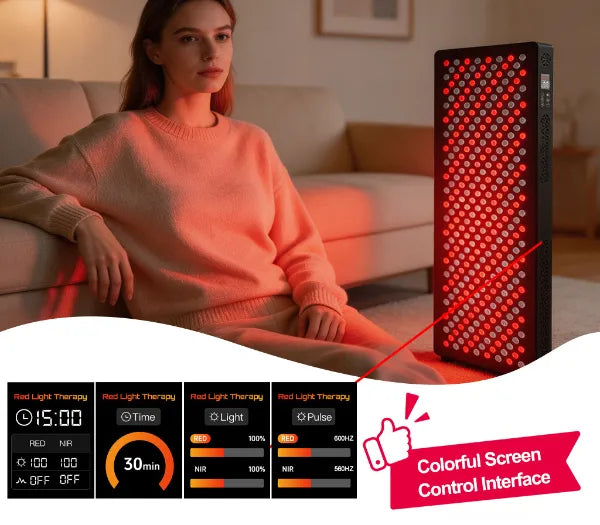
Most people run sessions after training or in the evening. There is no strong reason to run one immediately before a session, and the timer lengths these devices ship with, usually 10 to 20 minutes, make a pre workout slot awkward anyway. Pick a consistent slot and keep it.
The upgrade to skip
A full body panel is a large purchase and the wrong one for most people reading this. If you train a couple of times a week and one muscle group gives you trouble, a cordless wrap does more for that muscle than a panel standing across the room, and it does it while you eat dinner. Panels earn their place when you are treating several large areas most days and time is the constraint.
The belts that treat while you carry on are where most training focused buyers should start.
Treating both sides
Most people train symmetrically and then treat one leg because that is the one that hurts. Doing both takes no extra thought with a panel and doubles the session time with a wrap, which is the strongest practical argument for panels among people training regularly. If you own a wrap and only ever treat one side, that is fine, just be aware you are making a time decision rather than a physiological one.
Related collections
For discomfort that is not training related, the joint and back relief devices cover a wider set of shapes. If you want to treat several muscle groups per session standing up, see panels sized for whole body sessions. To lie down instead, the mats you can stretch out on reach the whole back at once. A panel aimed at legs sits far lower than one aimed at shoulders, so the stands and mounting hardware for panels matter more than they look like they should.
These products are intended for general wellness purposes only. They are not intended to diagnose, treat, cure or prevent any disease or medical condition.