

When a handheld beats a panel
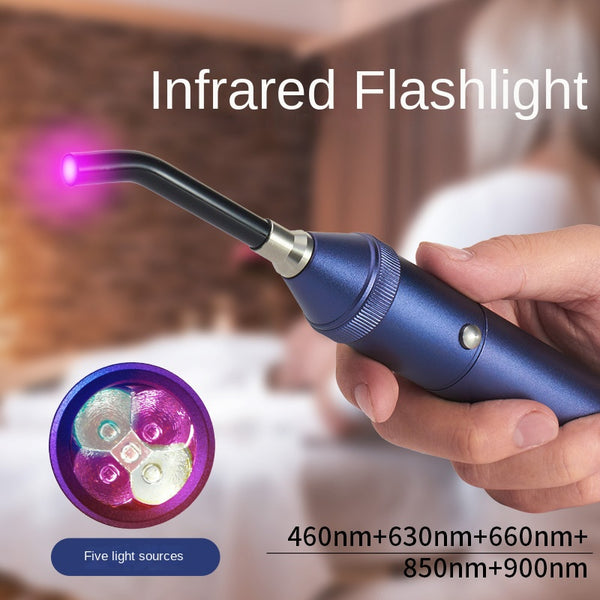
Handhelds win on intensity and lose on coverage, and that trade decides whether one suits you. Held an inch from the skin, a small device delivers more light per square centimetre than a panel three feet away, because distance costs light quickly. The catch is that a handheld covers a coin sized area, so treating a whole back means standing there for a very long time.
Buy a handheld for spots. Buy a panel for regions. Trying to make either do the other job is how people end up disappointed.
The formats here
| Format | Treatment area | Suits |
|---|---|---|
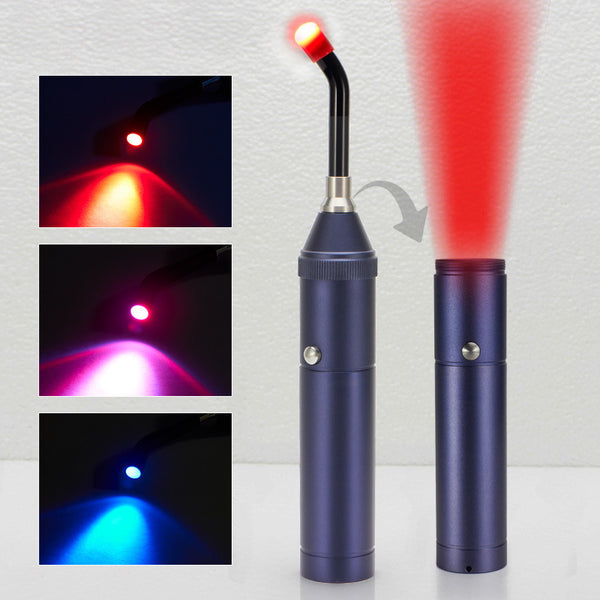
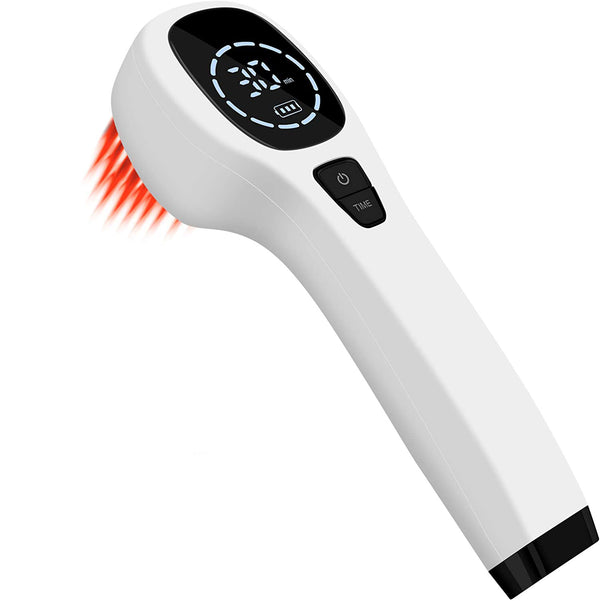
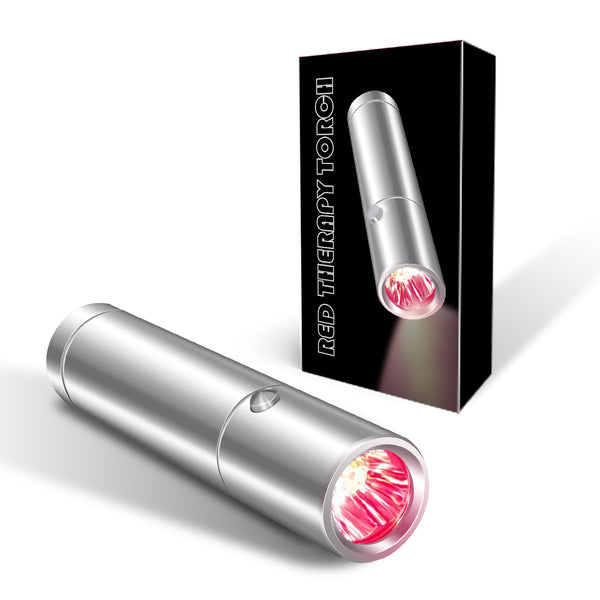
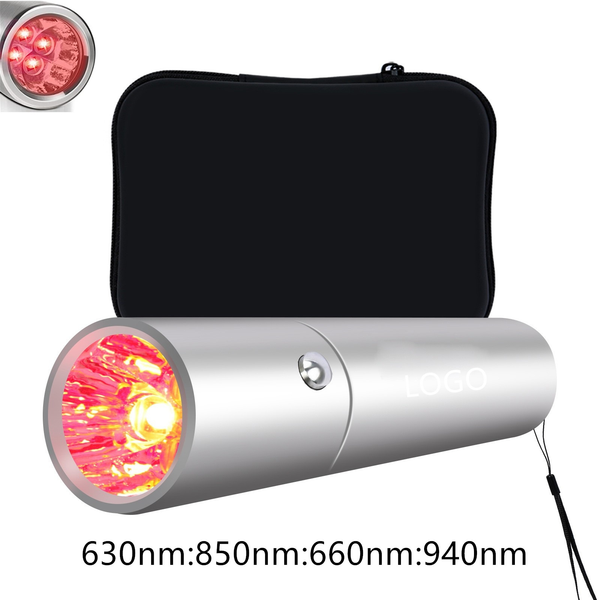
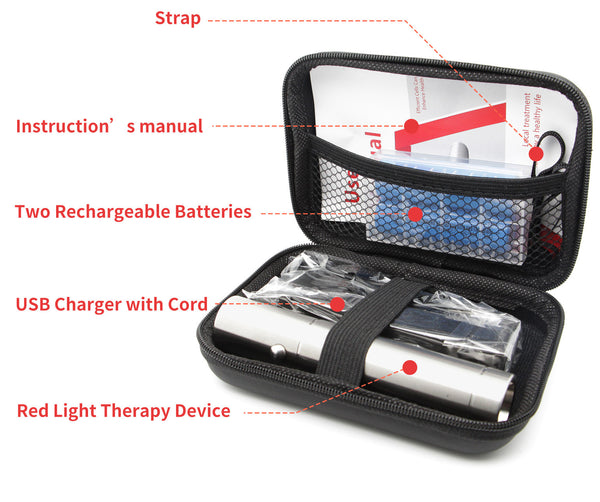
| Torch style | Palm sized | Wrists, elbows, small joints, general spot work |
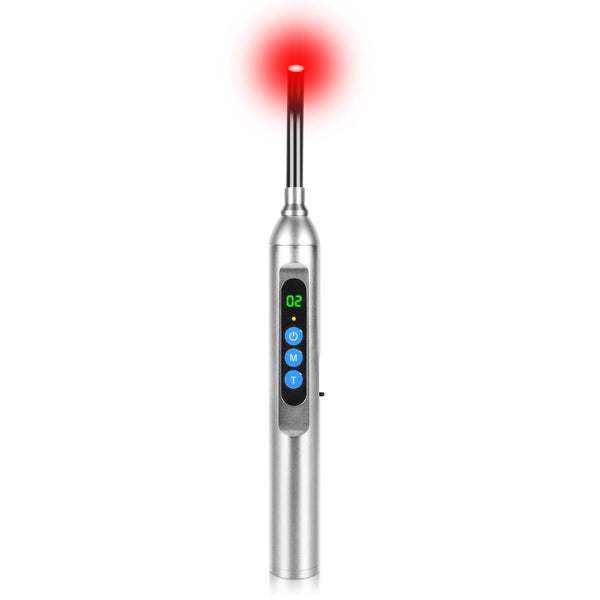
| Pen style | Very small, precise | Individual points, scalp partings, small blemishes |
| Flexible rod | Narrow strip, bends around a limb | Wrapping a forearm or calf without a strap |
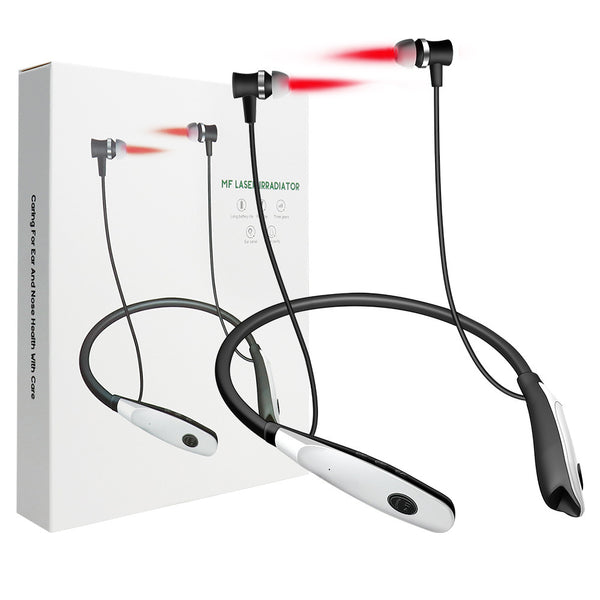
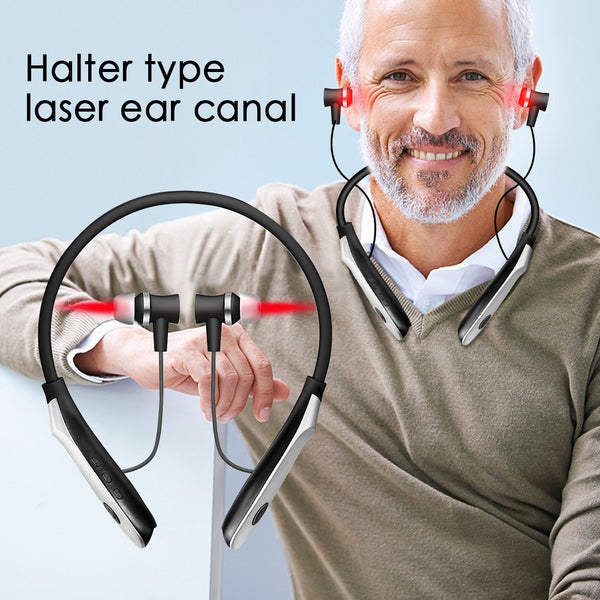
| Nasal and ear probes | Point specific | Very narrow use case, buy deliberately |
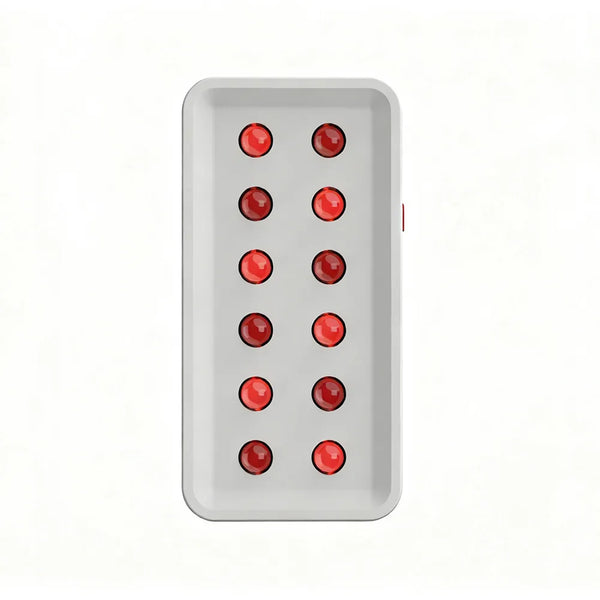
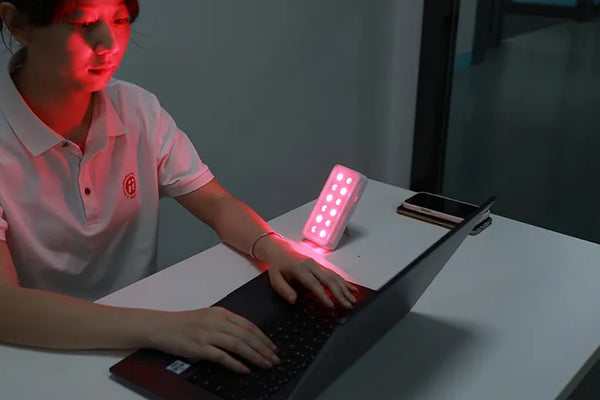
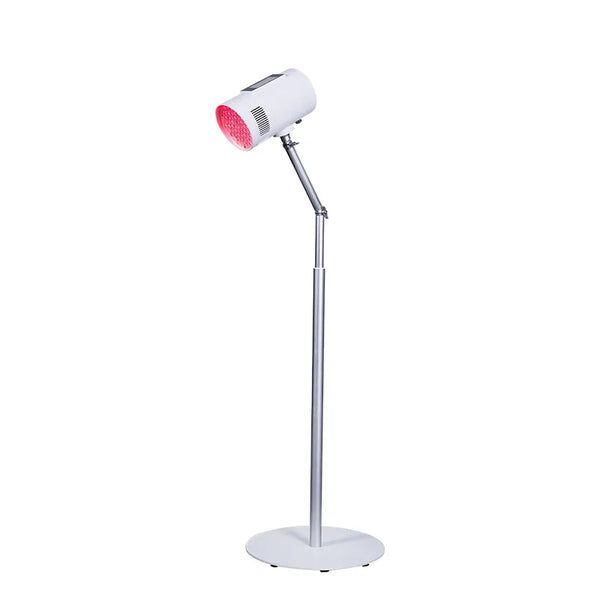
| Compact panel | Roughly a hand span | Between handheld and full panel, good on a desk |
Laser or LED
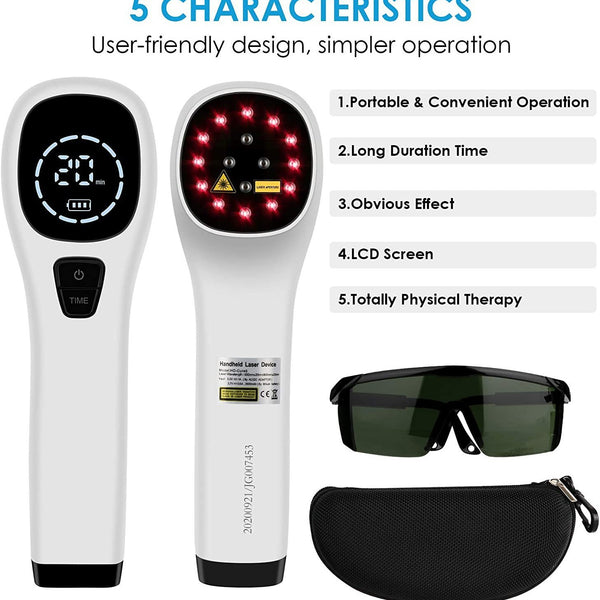
Some devices here use laser diodes at 650nm or 808nm rather than LEDs. Laser output is coherent and concentrated into a much smaller spot, which means high intensity over a tiny area. LEDs spread light over a wider field at lower intensity per point.
For most home use, LED is the sensible choice, because it covers a usable area and is far more forgiving about how you hold it. Laser devices are worth considering when you want intensity at one precise point and you are prepared to be careful. Never point a laser device at anyone's eyes, and follow whatever eye protection guidance ships with it.
Reading the output figure
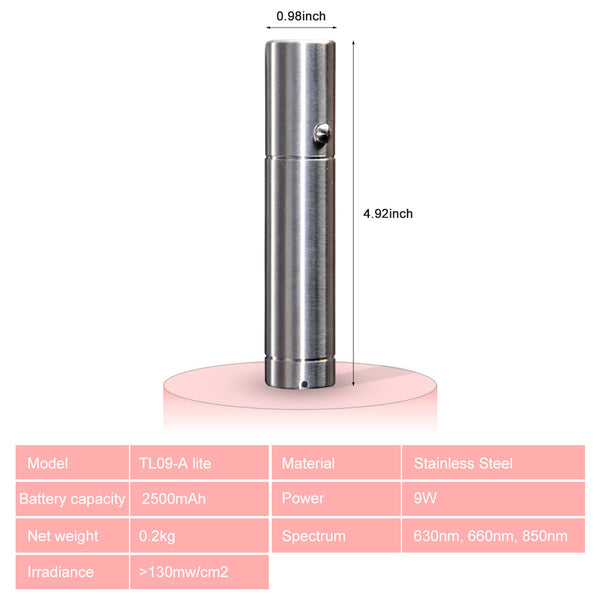
Handhelds sometimes state output in milliwatts rather than watts, which makes direct comparison against panels awkward and occasionally misleading in marketing. A 200mW device is not comparable to a 200W panel in any meaningful way, since the first describes concentrated output at a point and the second describes total draw across a large surface.
Compare handhelds against other handhelds. Comparing them against panels tells you nothing.
Where a handheld is the wrong purchase
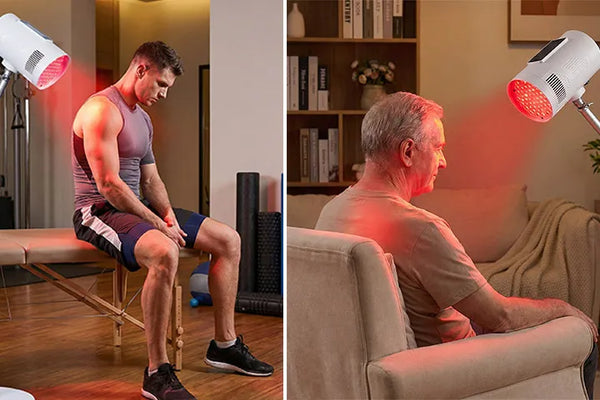
If your plan is to treat your back, both knees and a shoulder each evening, a handheld will make you resent the routine within a fortnight. The sessions are fine individually and unbearable stacked. In that situation a wrap or a panel is the right answer and a handheld is a false economy.
Handhelds are excellent as a second device, alongside something that handles the large areas.
Build and battery
Handhelds get held, dropped and left in bags, so build quality shows up faster here than in any other format. Aluminium bodies take knocks and shed heat, which lets some units run harder for longer without throttling. Plastic housings are lighter and cheaper and are perfectly fine for short sessions.
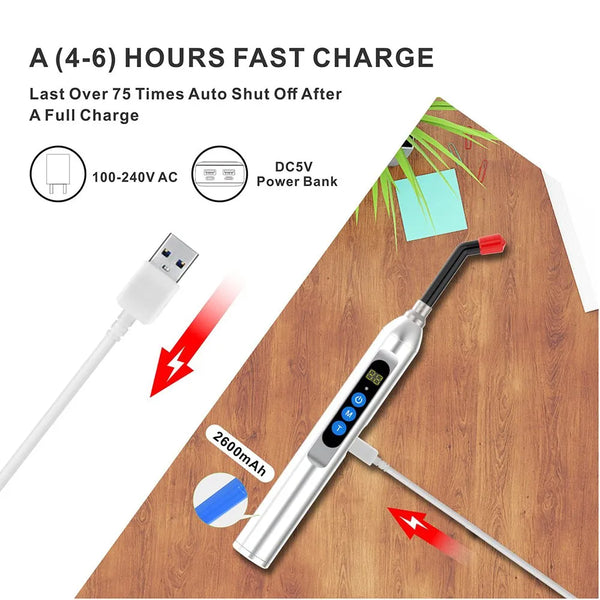
Battery matters because the whole appeal is not being tethered. A device that manages three or four spot sessions per charge covers a normal evening routine. Anything that dies halfway through the second area becomes a chore, and chores get abandoned.
Related collections
For anything you want to strap on and forget about, see strap on devices for hands, feet and waist. Larger areas are better served by the standing panel collection. Most of these devices double as travel kit, and the battery powered units for the road section groups them by that use. For joint discomfort generally, start at targeted relief for aching joints. Pens also get used along scalp partings, which is covered properly in the caps and combs for thinning hair section.
These products are intended for general wellness purposes only. They are not intended to diagnose, treat, cure or prevent any disease or medical condition.