

What separates a good wearable from a cheap one
Wearables are the format people actually stick with, because using one costs no extra time. That advantage disappears the moment the device is uncomfortable, awkward to fasten, or dies after fifteen minutes. Fit and battery matter more here than any figure on the box.
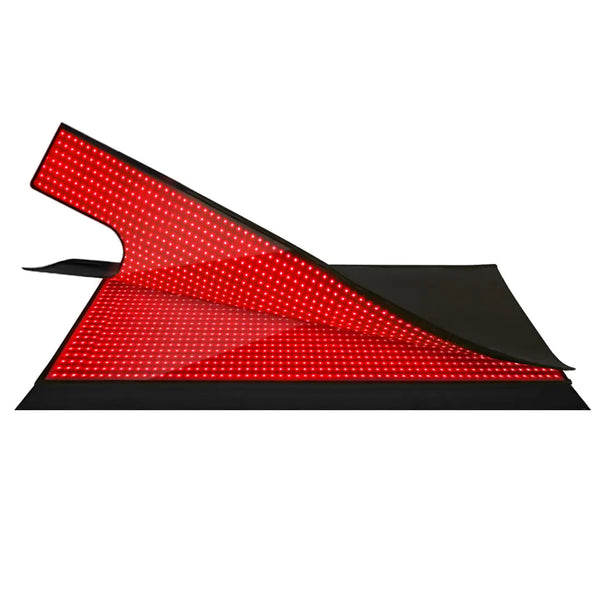
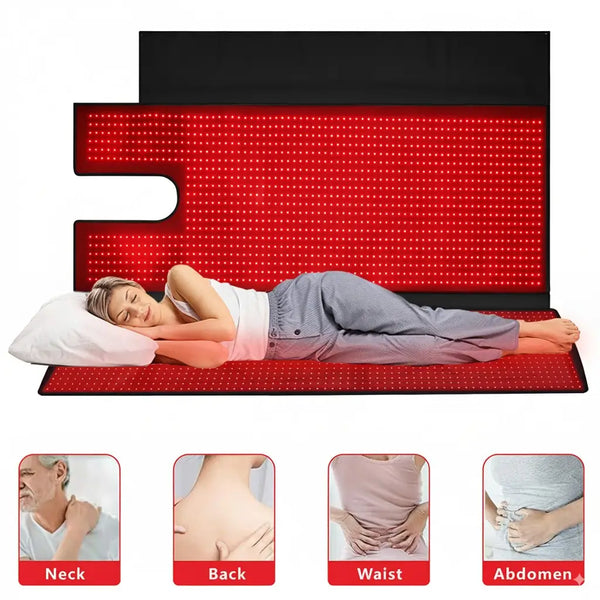
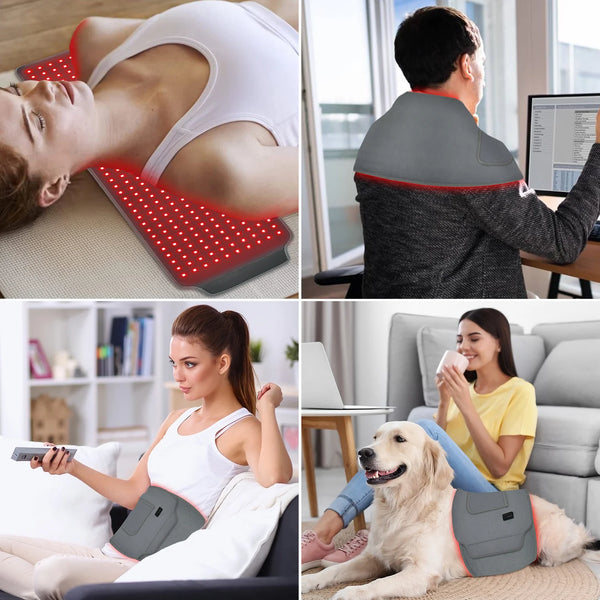
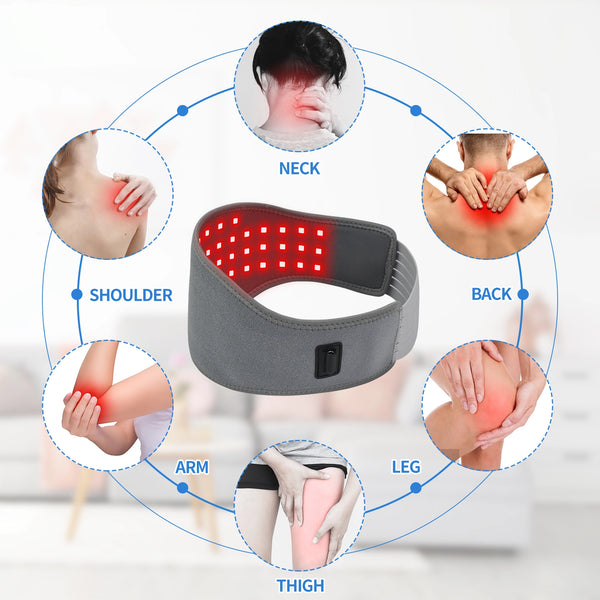
Match the wrap to the body part
| Body part | Format | What to look for |
|---|---|---|
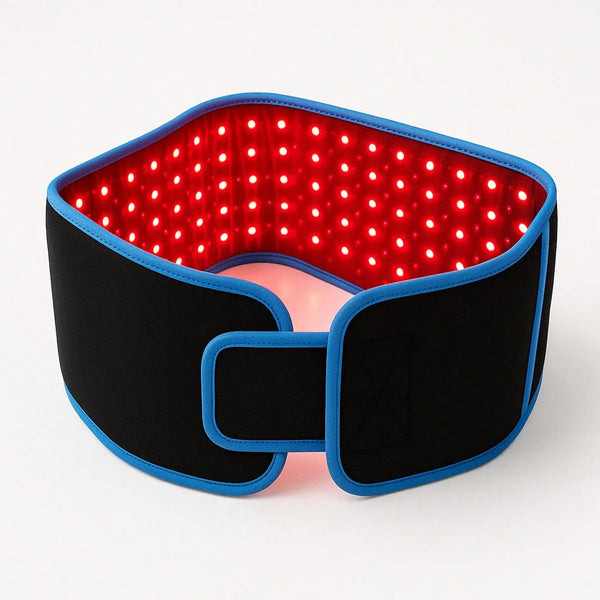
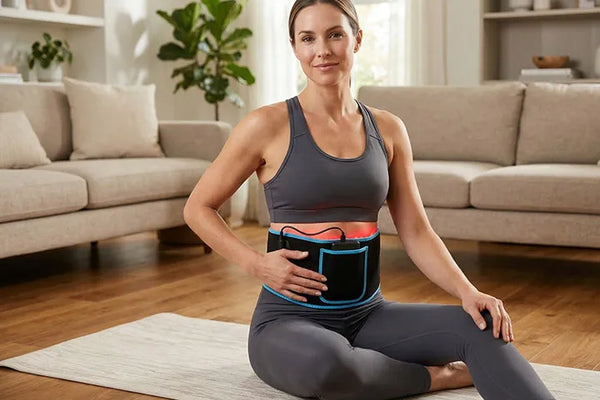
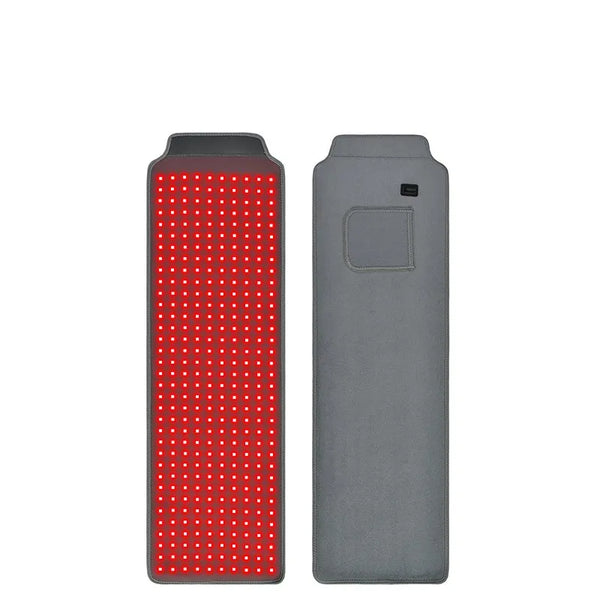
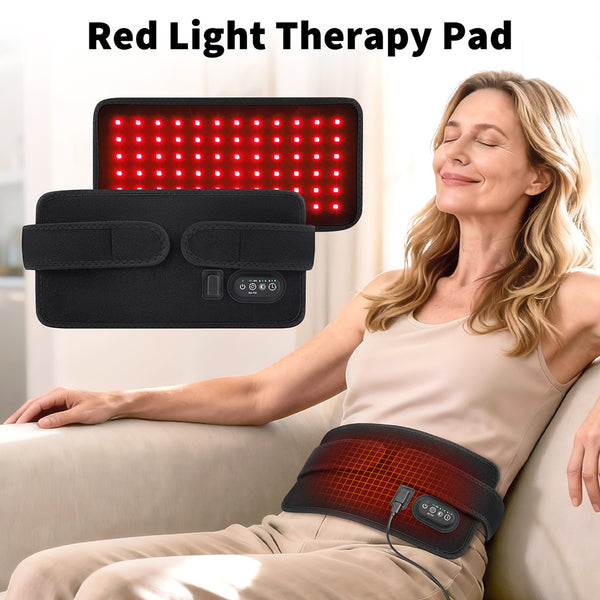
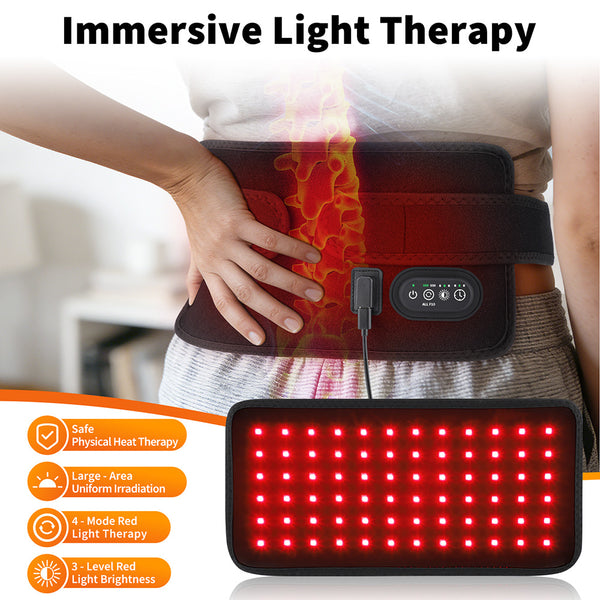
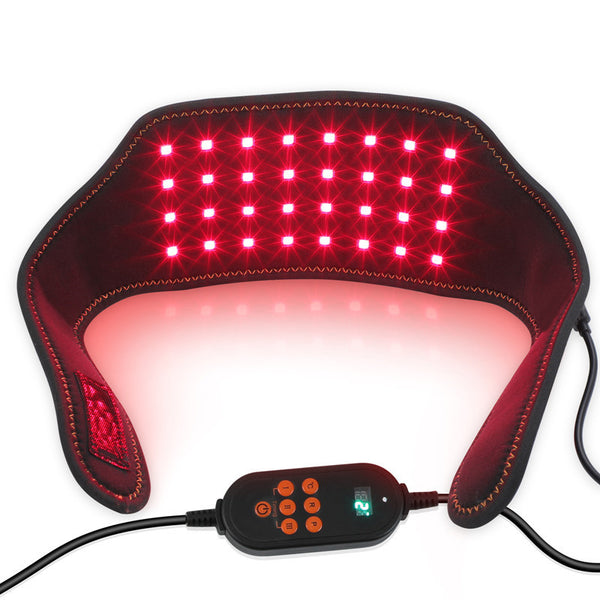
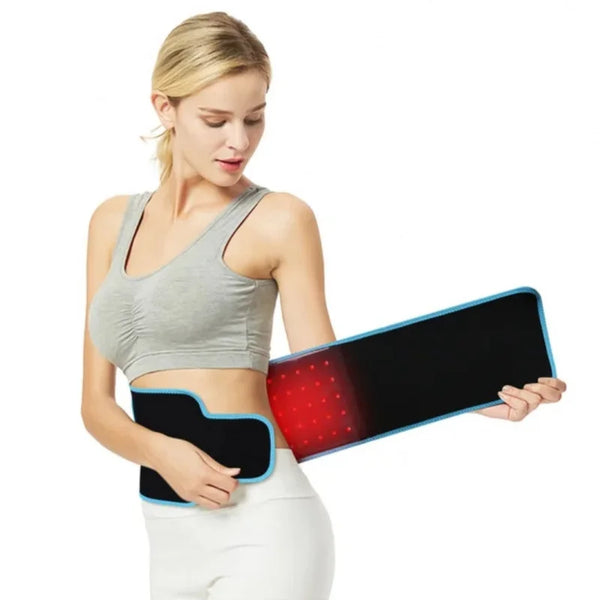
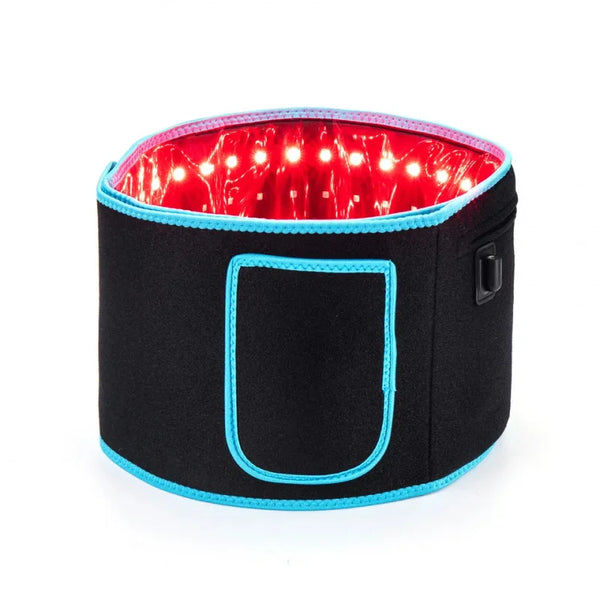
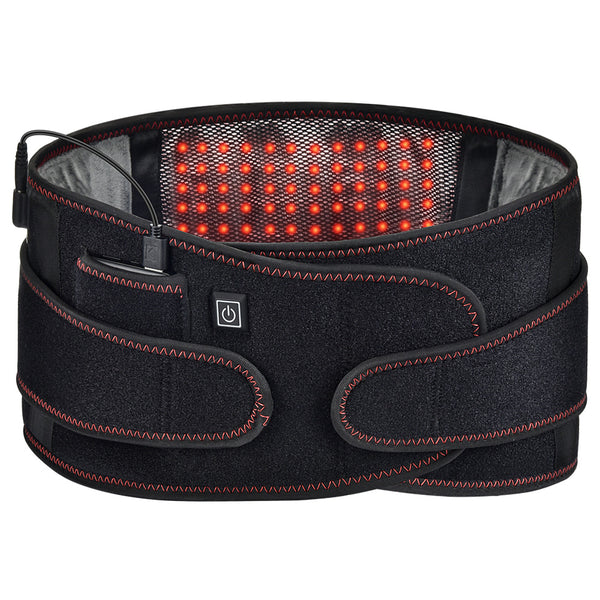
| Lower back and waist | Wide belt | Long enough to overlap, with a fastening that holds under movement |
| Knee and elbow | Narrow wrap | Flexible enough to curve without lifting off the skin |
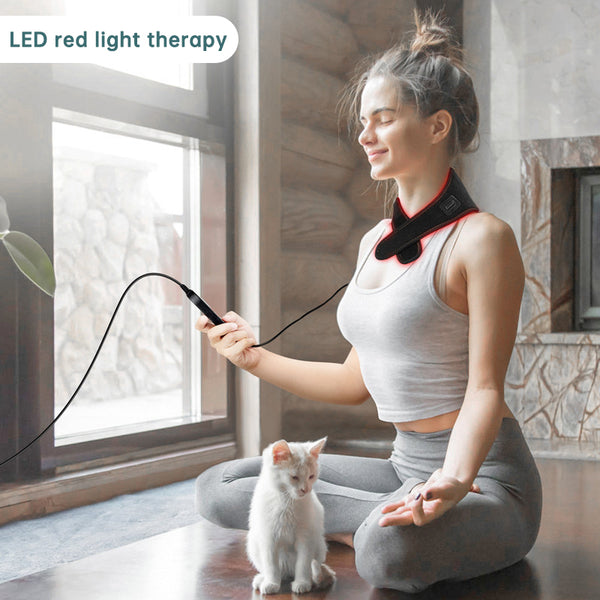
| Shoulder and neck | Shaped wrap | Cut for the shoulder line rather than a straight strap |
| Hands | Glove | LEDs on the palm side and between fingers, rather than only across the back of the hand |
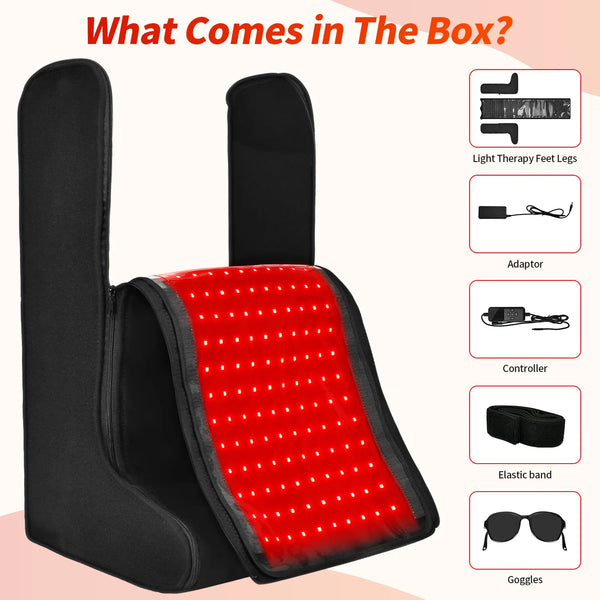
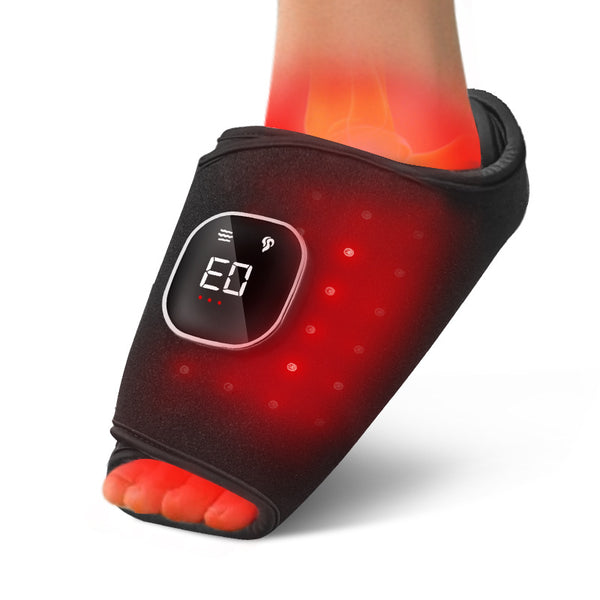
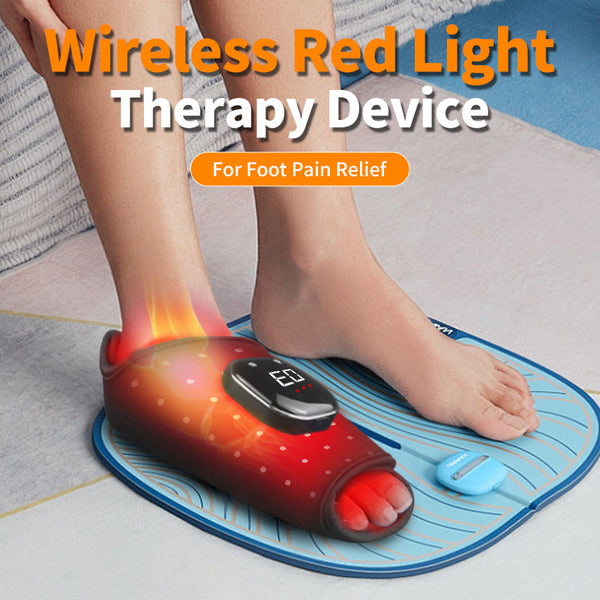
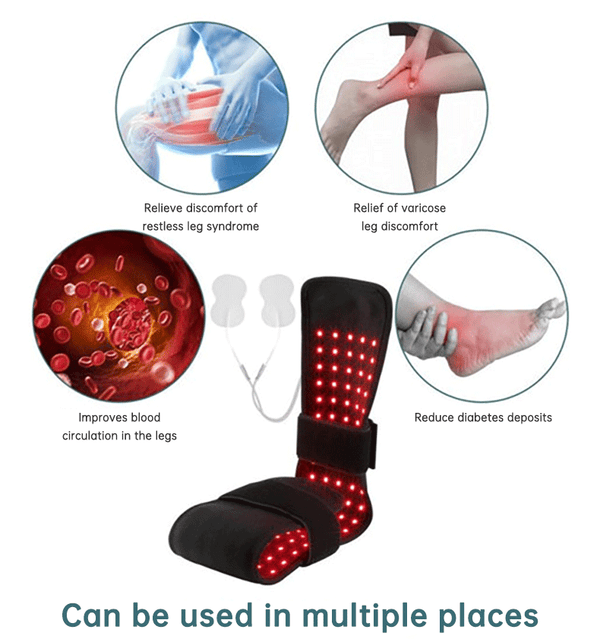
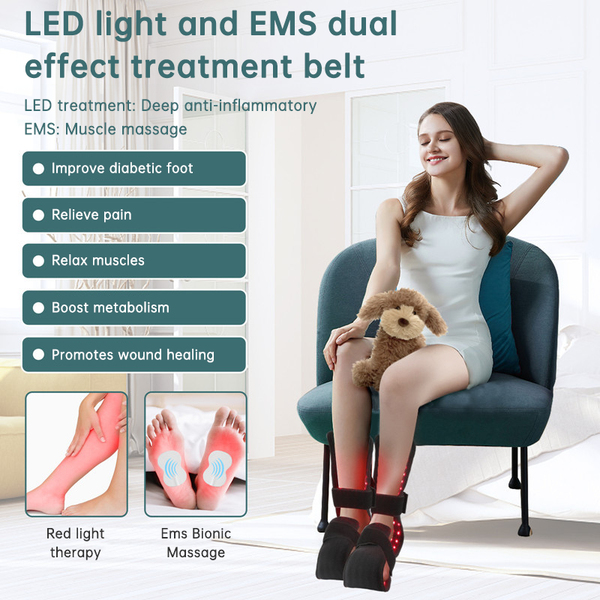
| Feet | Shoe or foot pad | Wraps the arch, where a flat pad only reaches the top |
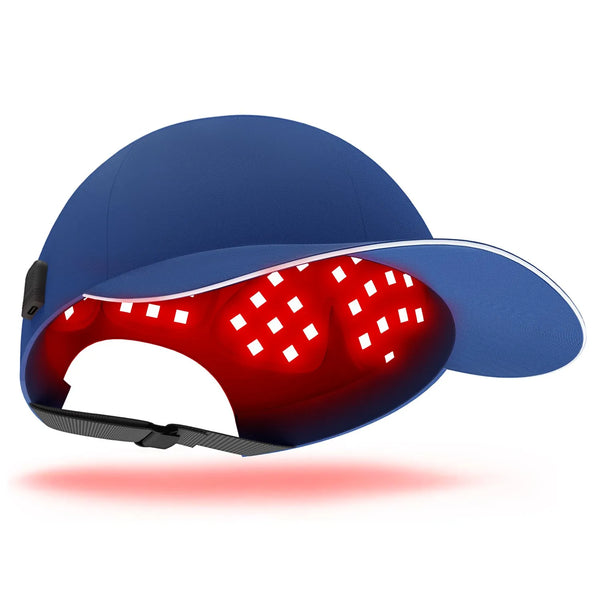
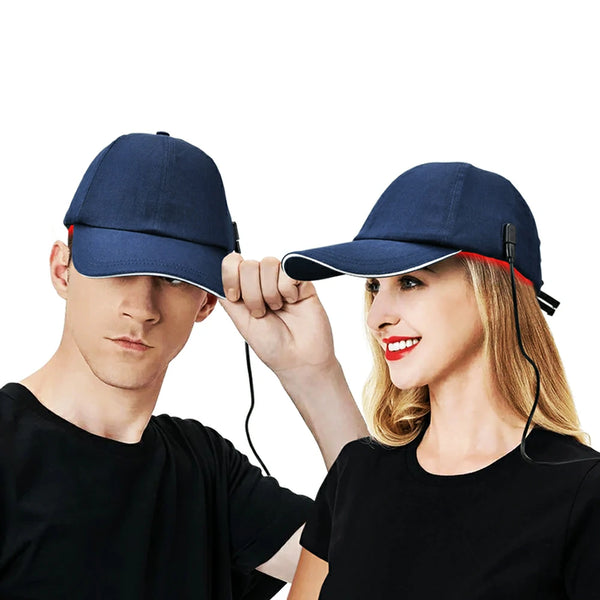
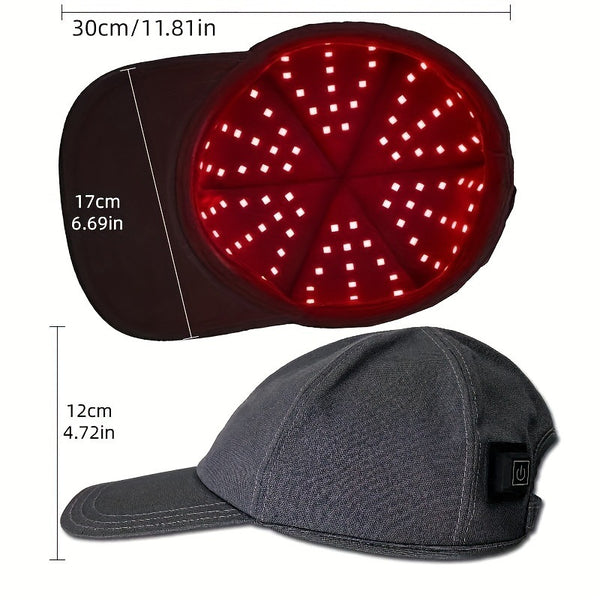
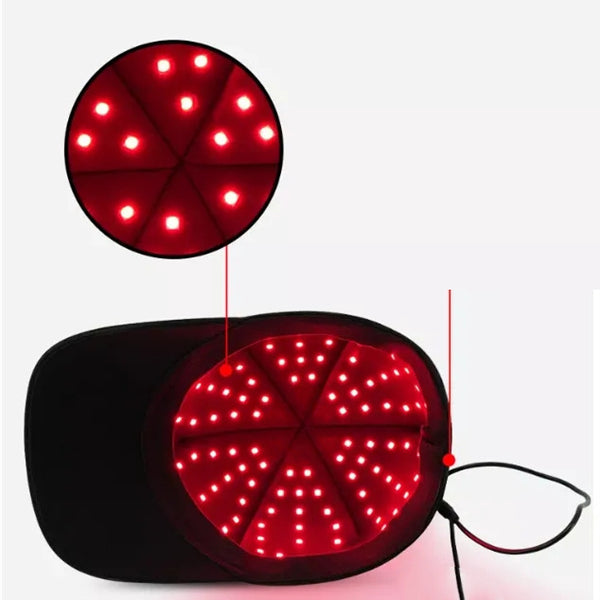
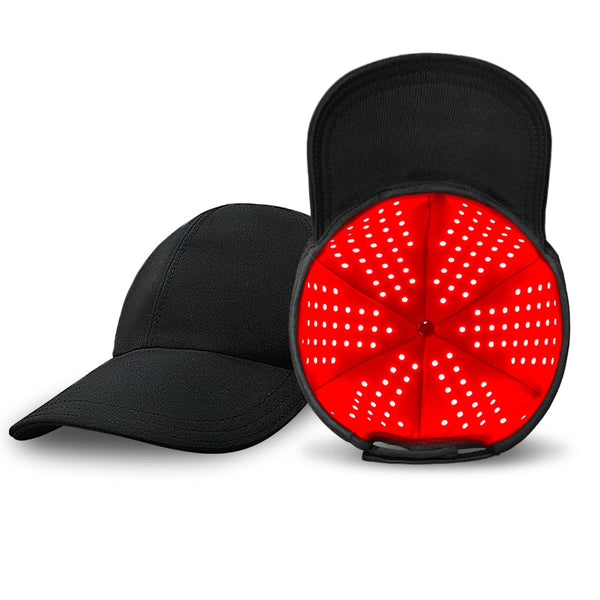
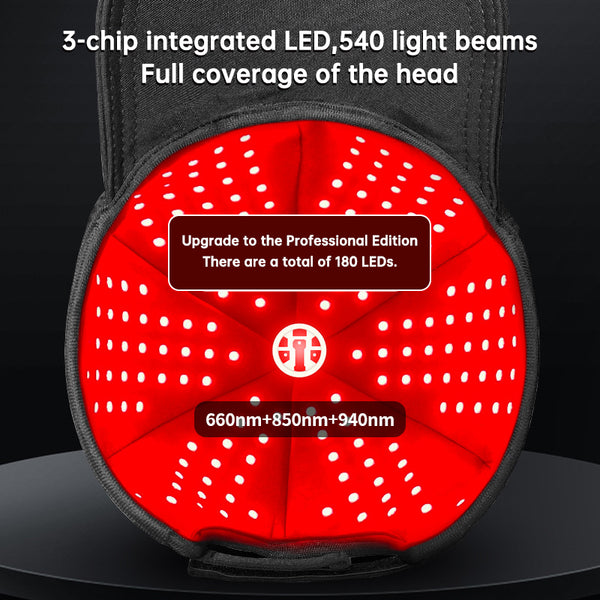
| Scalp | Cap | Even LED spread rather than a dense cluster at the crown |
Coverage, and how LED counts mislead
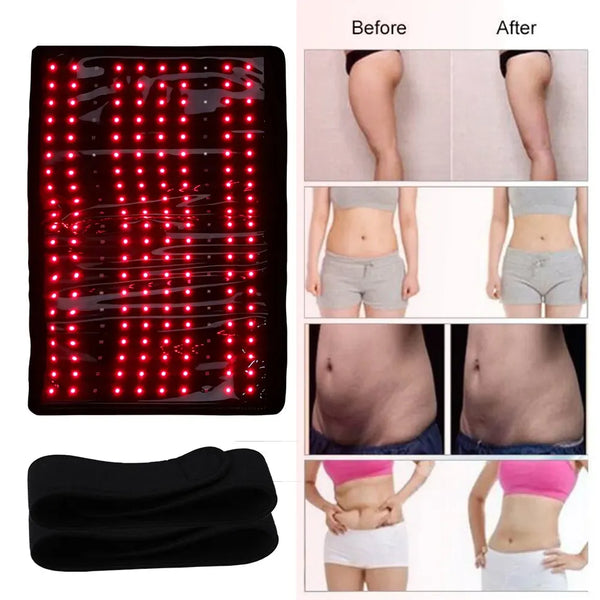
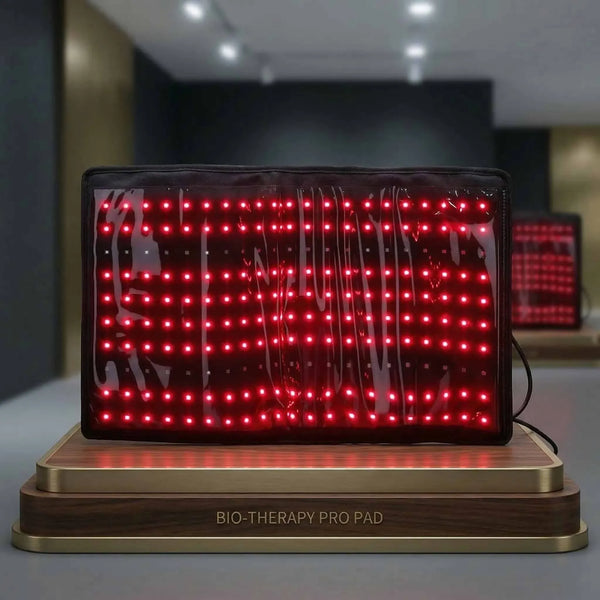
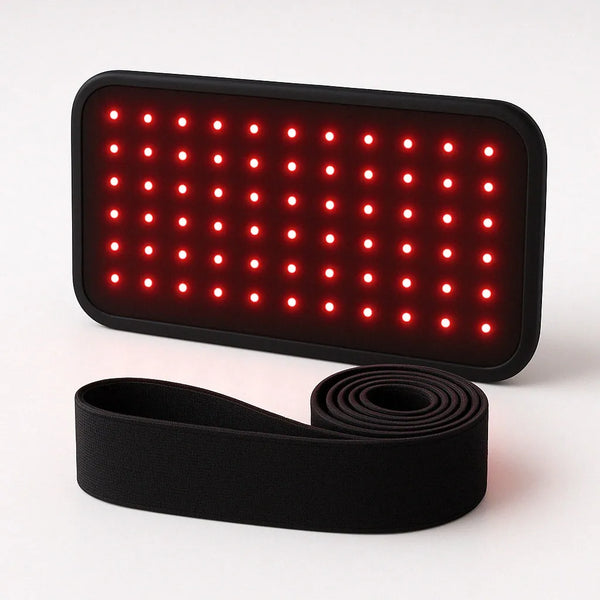
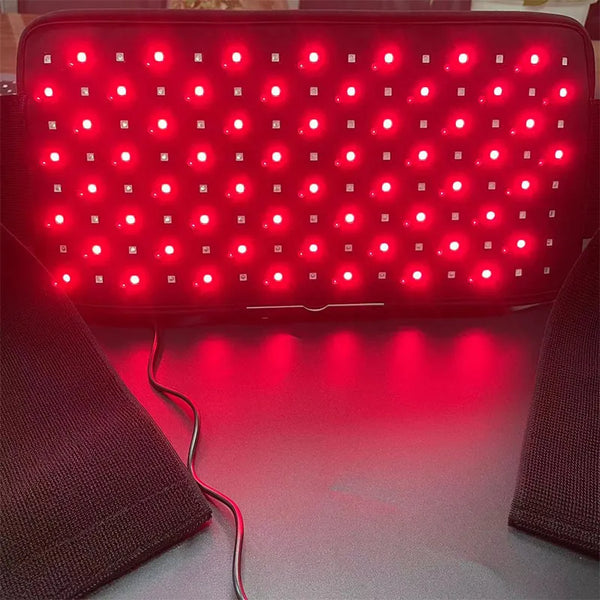
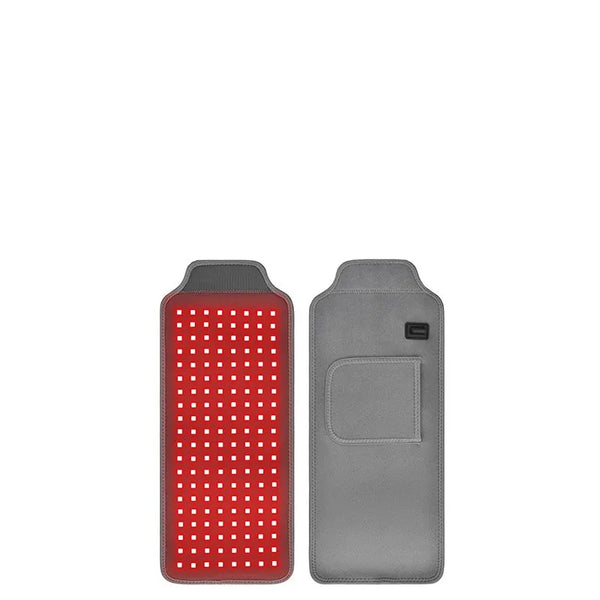
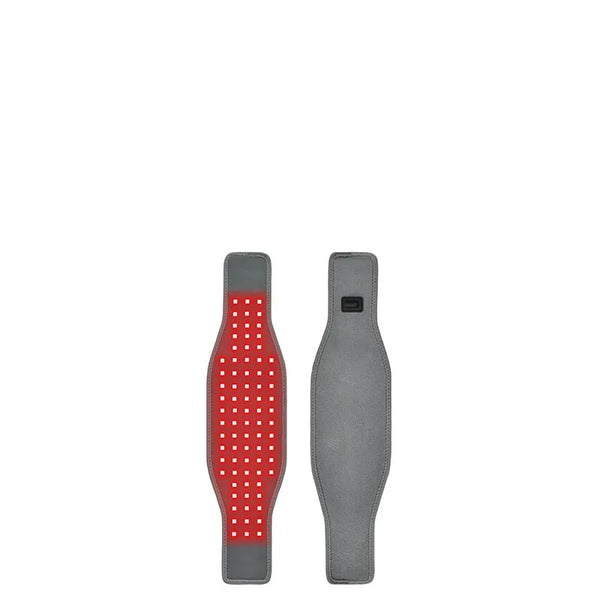
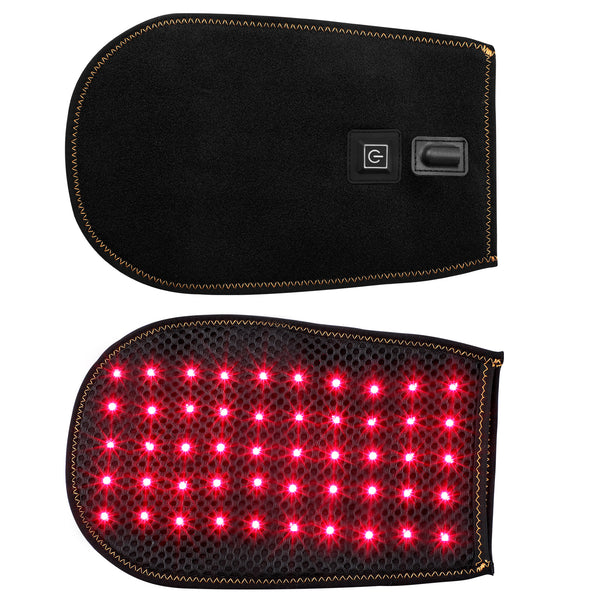
Belts here span a wide range of LED counts. The number describes how much surface is lit, not how strongly. A belt with 350 LEDs is longer and wraps further round the torso than one with 105. It is not three times stronger at any given point on your skin.
Compare LED count only between devices of the same physical size. Across different sizes it tells you nothing useful. If two belts are the same length and one has far more diodes, that one is denser, which usually does mean more delivered light.
Wavelength combinations
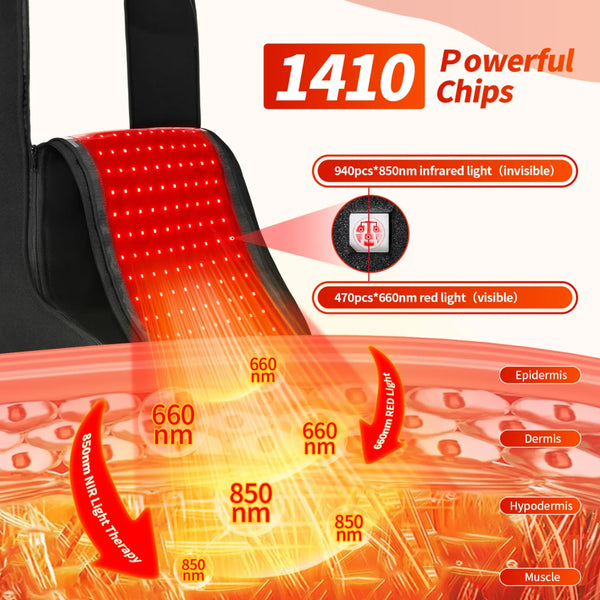
Most belts run 660nm red with 850nm near-infrared. Some substitute 650nm or 630nm for the red, and some use 880nm instead of 850nm. These are small shifts and the practical difference is minor. What does matter is whether near-infrared is present at all, because red light alone stays shallow. For anything below the skin, you want the near-infrared component included.
Some belts list a wavelength twice, such as 660nm plus 850nm plus 850nm. That indicates two banks of near-infrared diodes rather than three separate wavelengths, which biases the output deeper. Useful to know, not something to pay a large premium for.
Battery, heat and the things that decide whether you keep using it
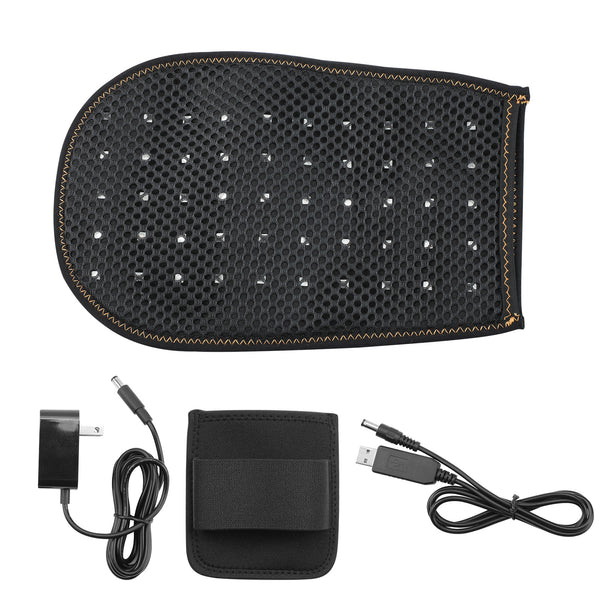
Cordless is the point of this category, so battery life is a real specification and not a footnote. Look for a pack that covers at least two sessions between charges. A belt that needs charging after every use quietly stops getting used.
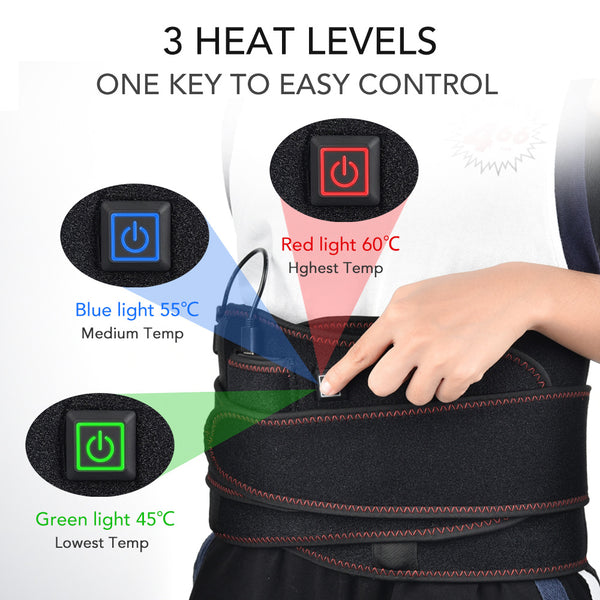
Several belts add a heating function. Heat is pleasant and it is not the light working, so treat it as a comfort feature rather than a reason to pay more. If you already own a heat pad, you are paying twice.
Where to save your money
The cheapest USB elastic bands in this category are genuinely fine for what they are, which is light contact on a small area for short sessions. If you are unsure whether you will use light therapy at all, one of those is a better first purchase than a large belt you might abandon. Buy the big one once you know the habit has stuck.
Conversely, do not buy three small wraps hoping to cover a large area. Overlapping them is fiddly and each needs its own charge. One correctly sized belt beats a collection of small ones.
Related collections
For soreness after training rather than persistent joint discomfort, the post workout light therapy section is a closer fit. Small precise areas are better served by point and treat handheld units. If travel is the reason you want something cordless, compact units that fit in a suitcase are sized for it, and for the scalp specifically see the scalp and hair growth devices. Everything here also sits inside the wider pain and recovery range.
These products are intended for general wellness purposes only. They are not intended to diagnose, treat, cure or prevent any disease or medical condition.