

How to choose a red light therapy device for pain
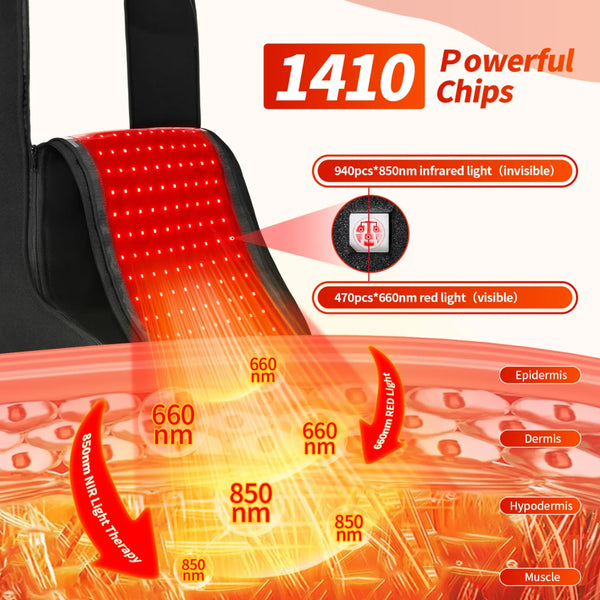
Every device in this range runs 660nm red and 850nm near-infrared together. That part is settled and it is not where the decisions are. What changes between these products is shape, coverage and how the device sits against the body. Shape is what determines whether you still use the thing in week three.
Start with the body part
A device that fits the area you are treating gets used. One that needs propping up, holding in place or repositioning halfway through does not. This is the strongest single predictor of whether the purchase was worth it.
| Area | Shape that fits | Why |
|---|---|---|
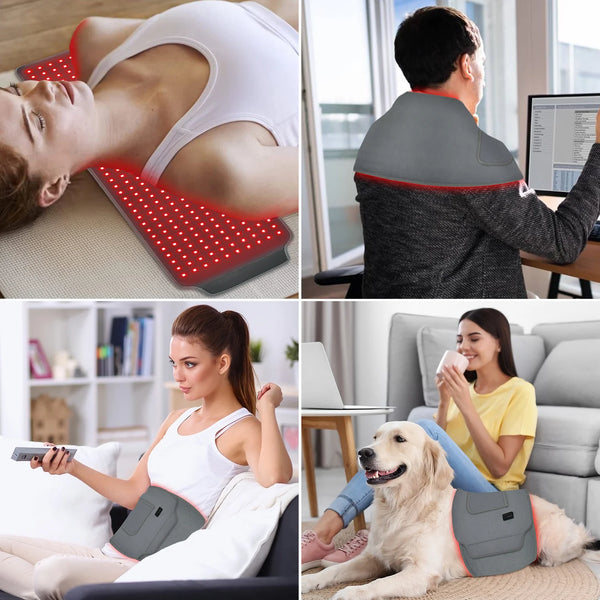
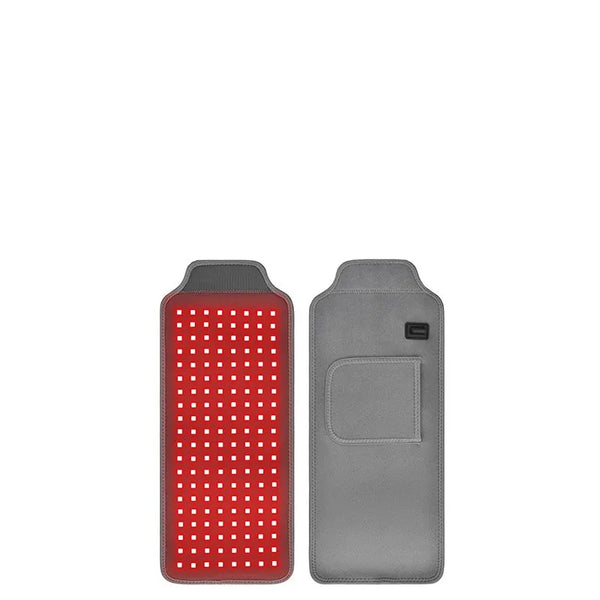
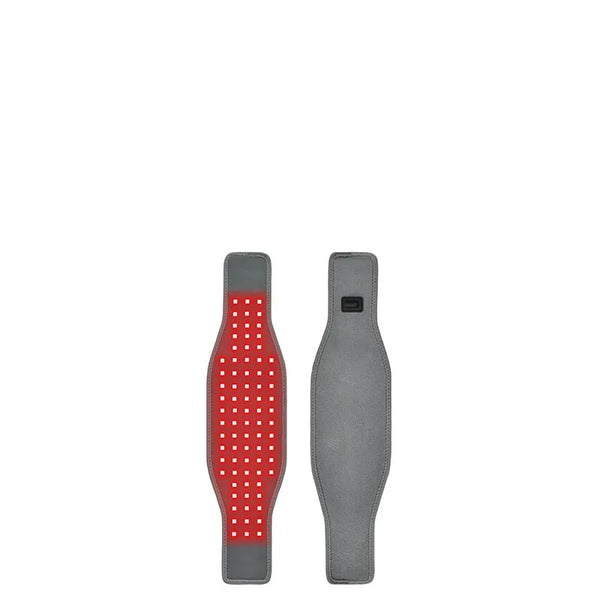
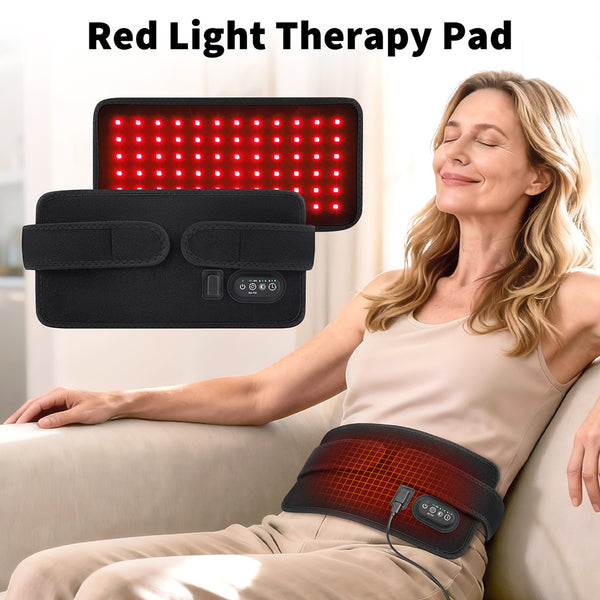
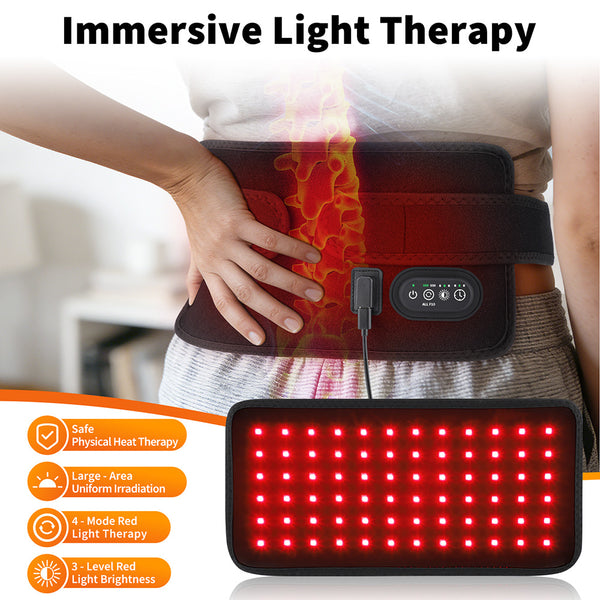
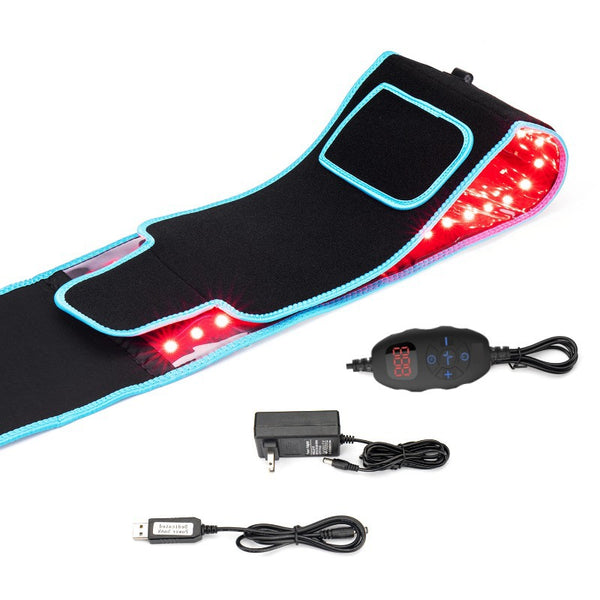
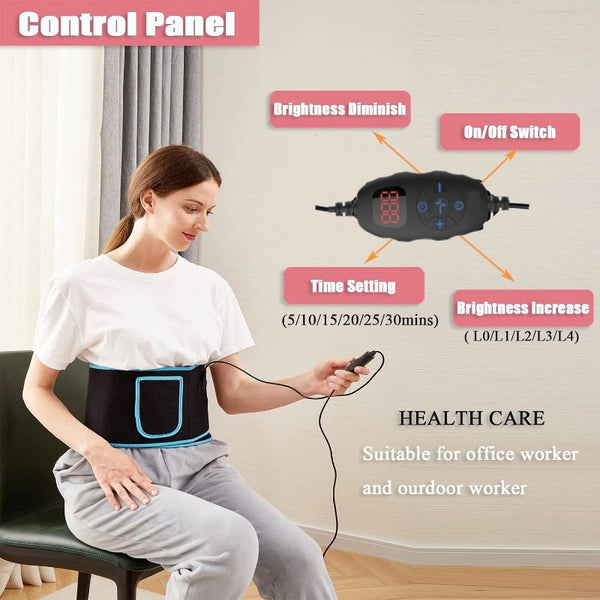
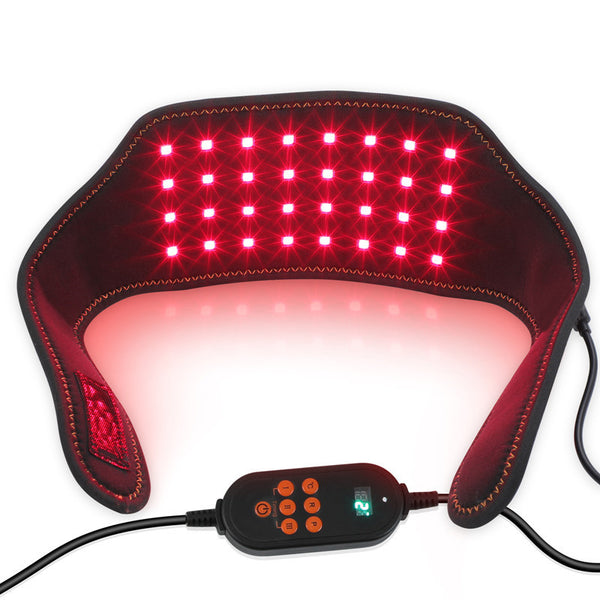
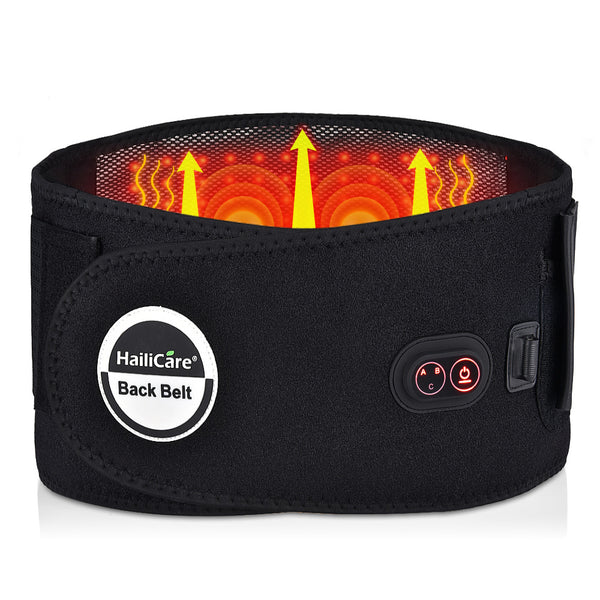
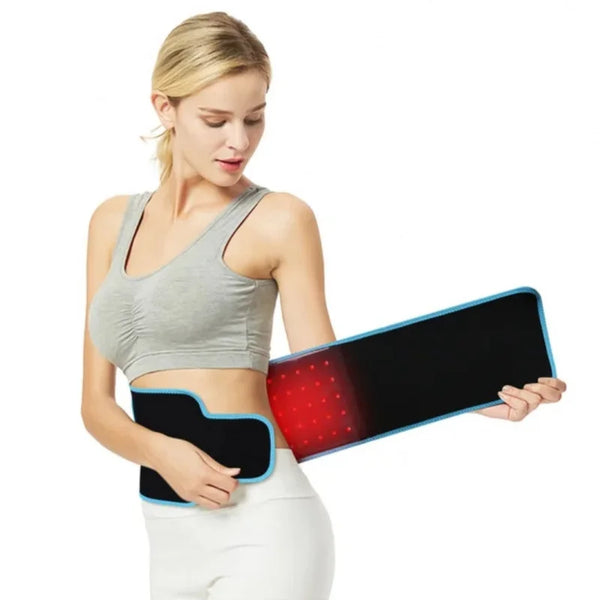
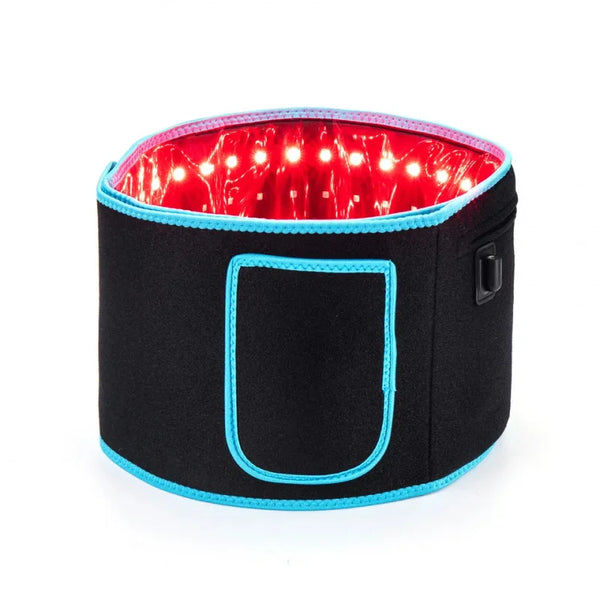
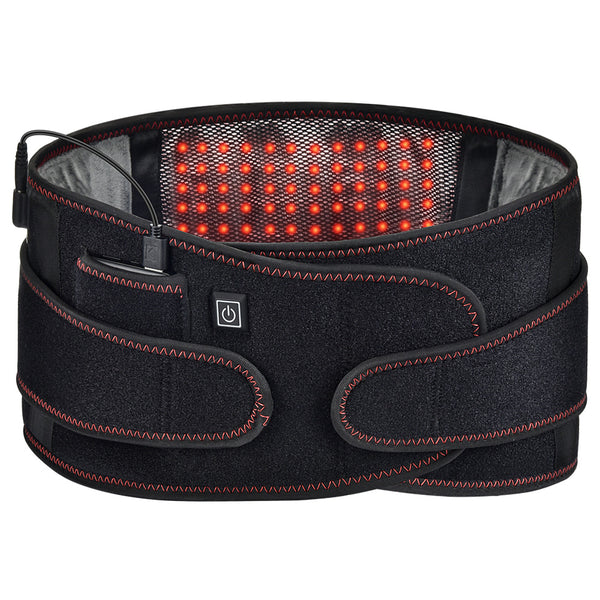
| Lower back and waist | Wrap belt | Buckles around the torso and stays put while you move |
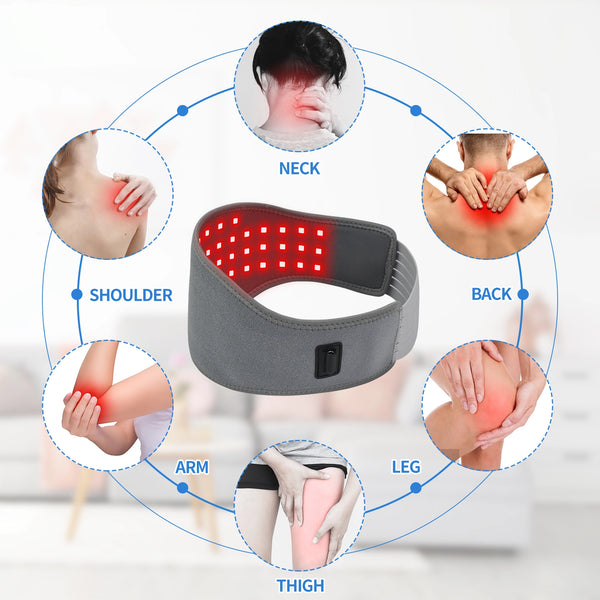
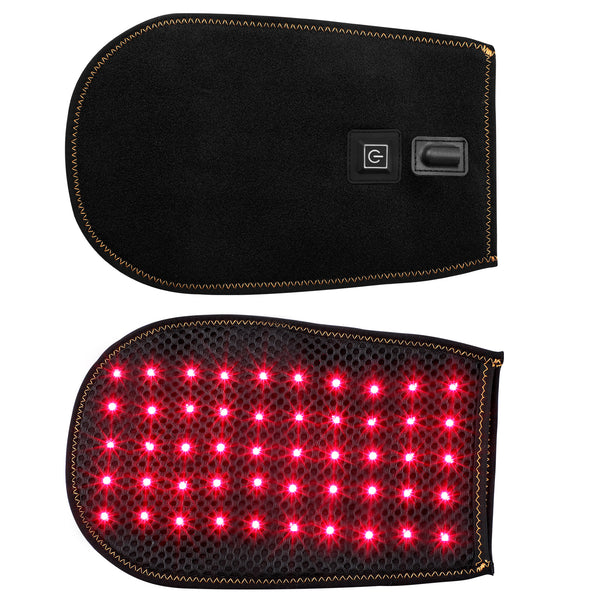
| Knee, elbow, ankle | Narrow wrap | Curves around the joint so light reaches it from several angles |
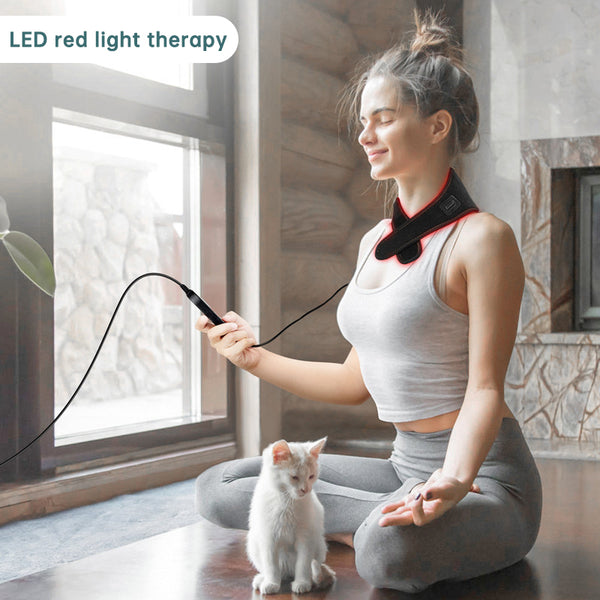
| Shoulder and neck | Shoulder wrap | Cut to sit over the shoulder without sliding off |
| Hands and fingers | Glove pad | Reaches between and around the fingers, which a flat surface cannot |
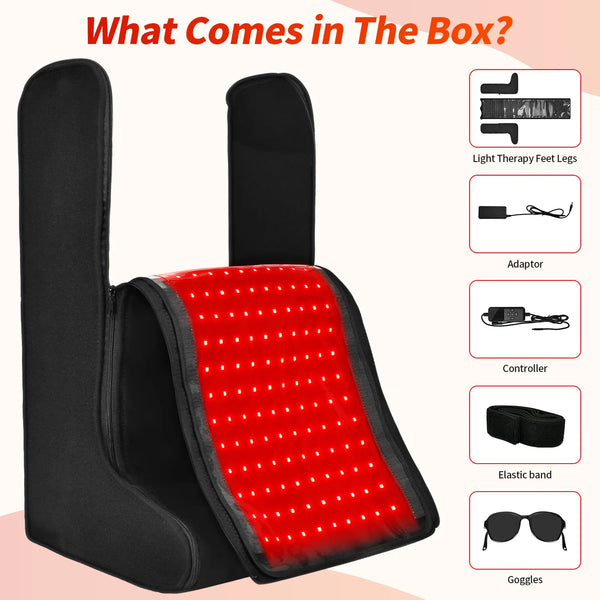
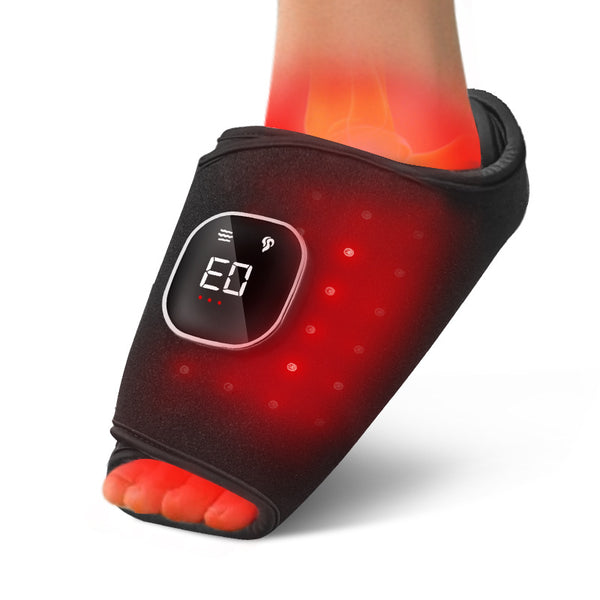
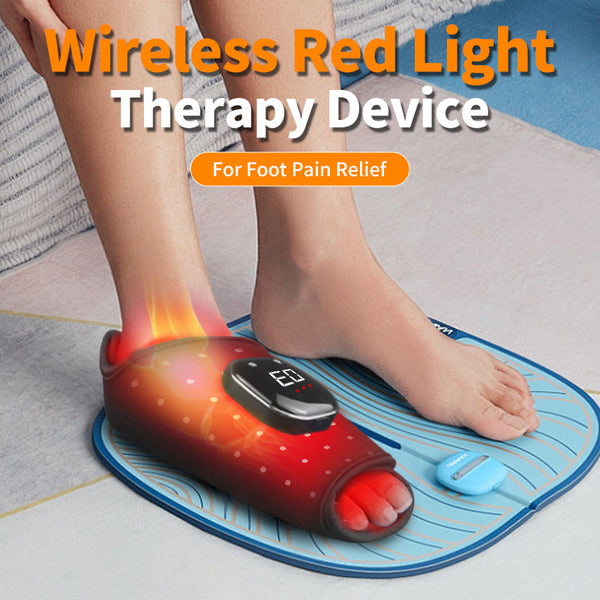
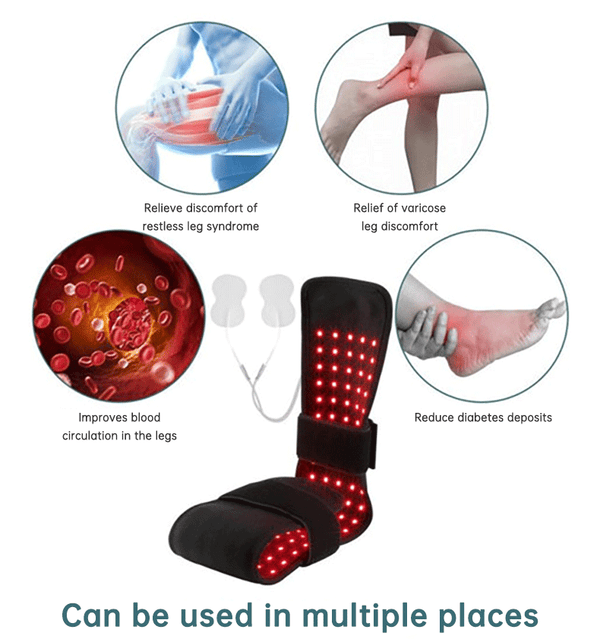
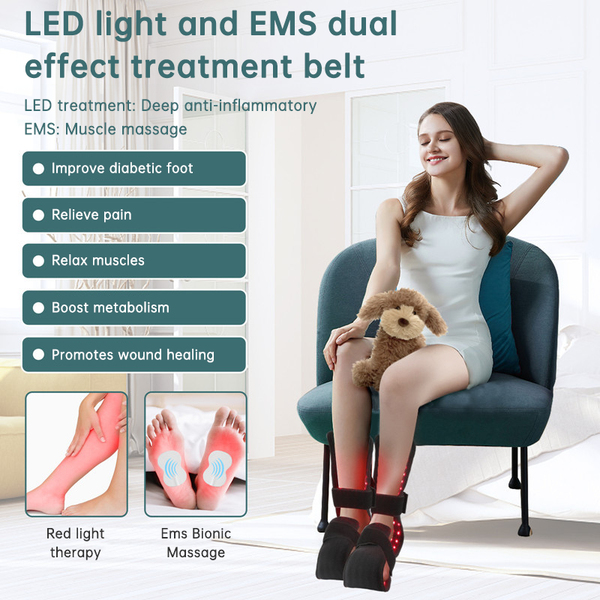
| Feet and calves | Foot pad | Wraps the arch and heel rather than lighting the top of the foot |
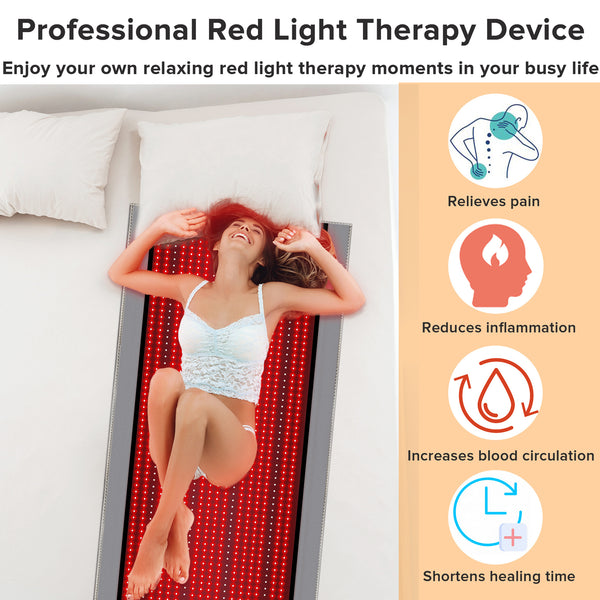
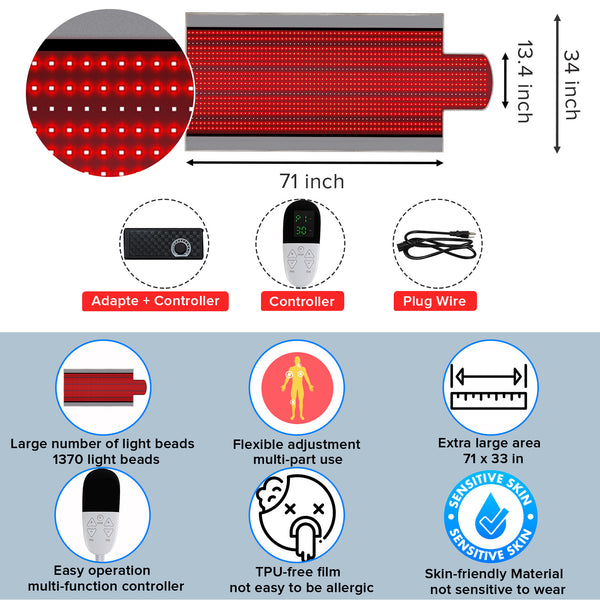
| Whole back or leg | Large pad or panel | One session instead of moving a small device four times |
Wraps or panels
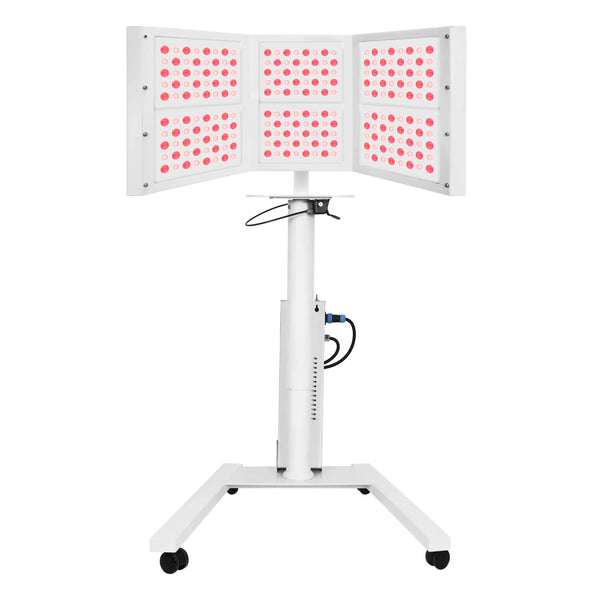
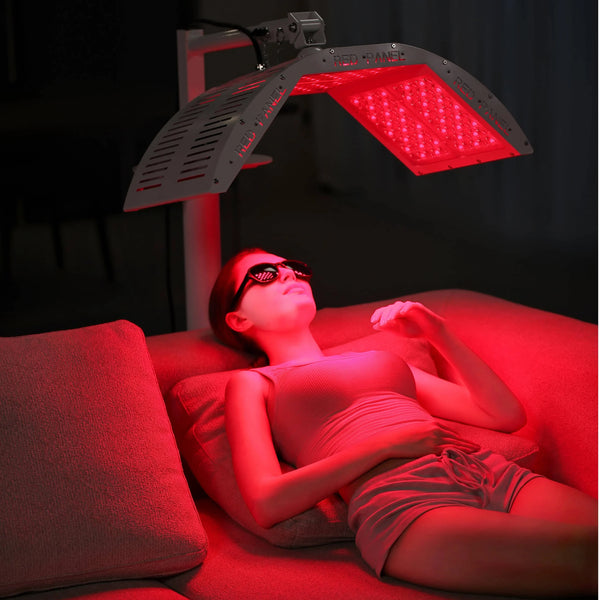
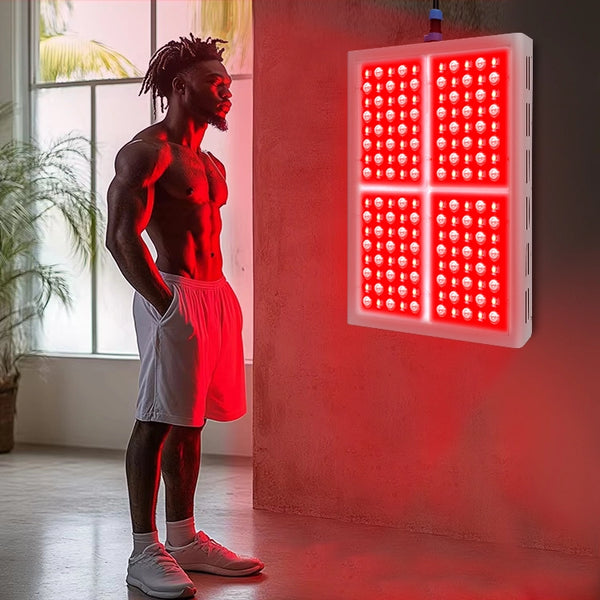
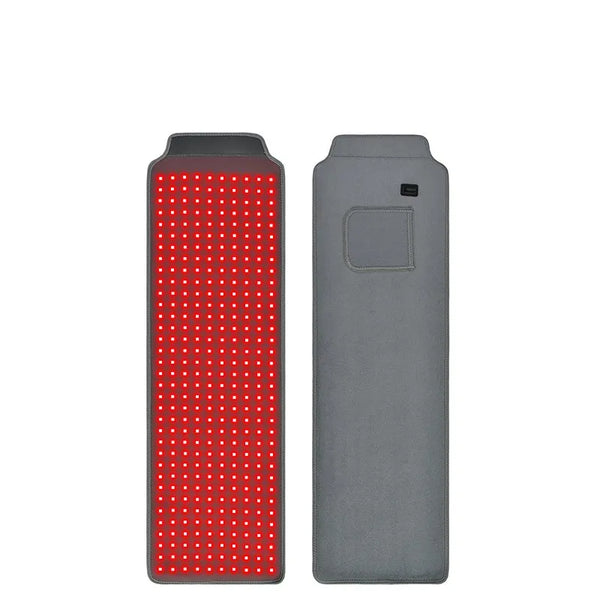
A wrap sits in contact with skin, so nearly all of its output reaches you. A panel sits at a distance, and light spreads and weakens as that distance grows. This is why a 36W belt and a 300W panel are closer in delivered dose than the wattage figures suggest.
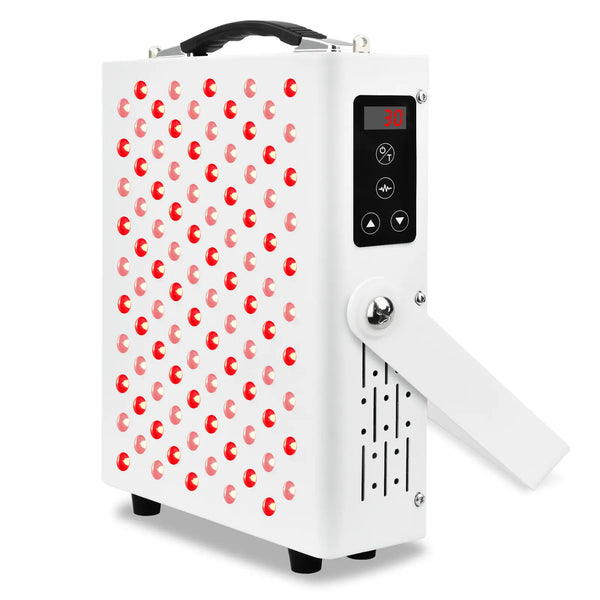
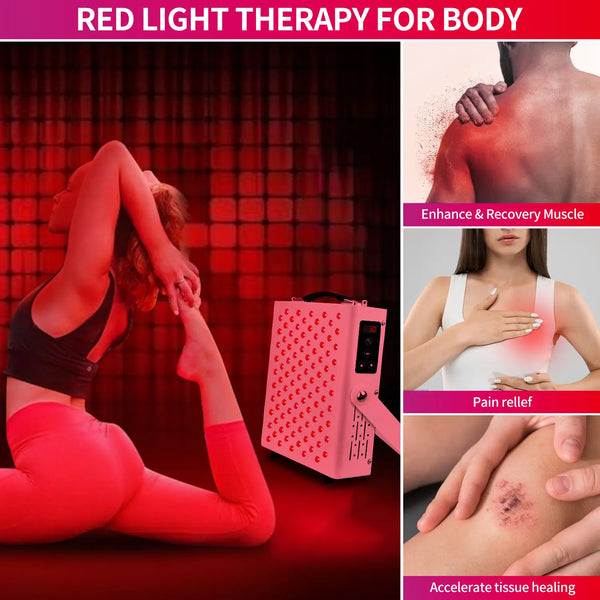
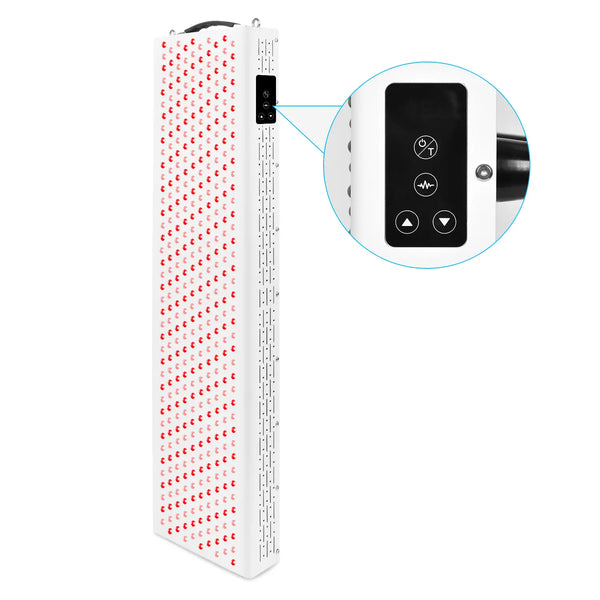
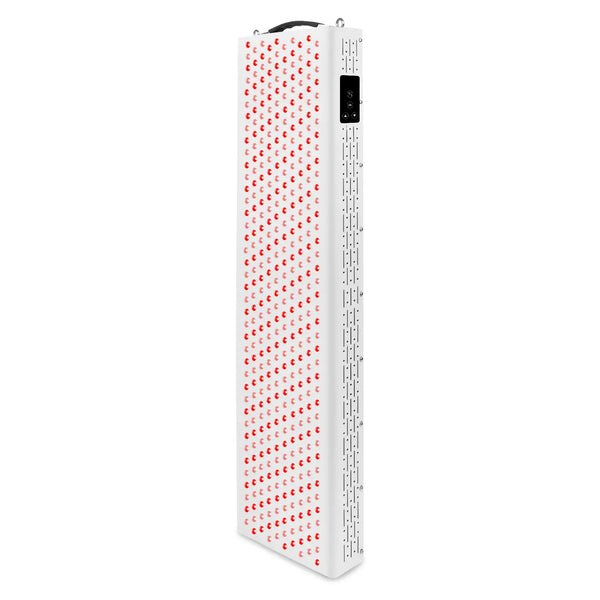
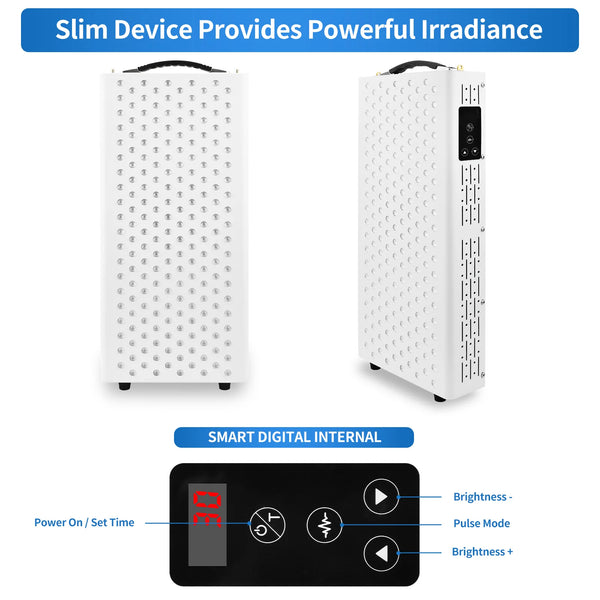
The real trade is coverage against freedom. A belt treats one area and leaves you free to work or cook. A panel treats a much larger area at once but ties you to standing still in front of it. If one stubborn joint is the problem, buy the wrap. If you are treating three areas most days, a panel saves real time, and our standing panels that treat larger areas at once cover that case.
What LED count tells you, and what it does not
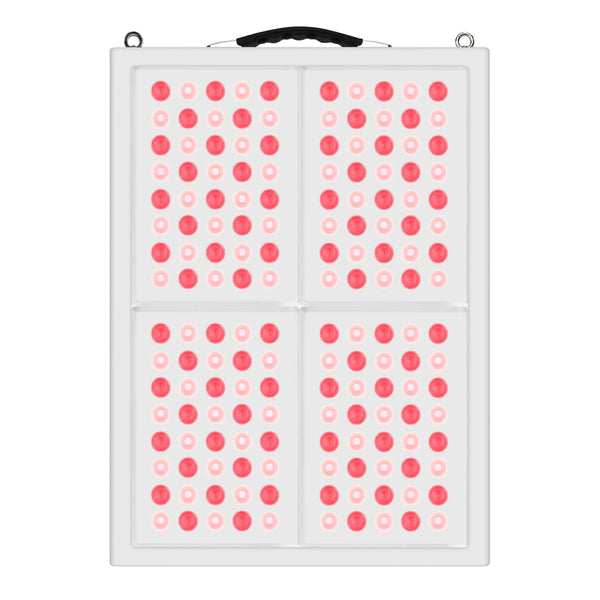
LED count describes surface area. It does not describe strength. A 350 LED belt is longer than a 105 LED belt, not three times more intense per square inch. Two belts with identical LED counts can differ noticeably in output depending on diode grade and how hard the driver pushes them.
Read LED count as coverage. Read wattage as total output across that coverage. Neither number on its own tells you intensity at the skin, which is the figure that actually matters and the one almost nobody publishes in a comparable way. Given that, buying the biggest number you can afford is not a strategy. Buying the shape that fits your problem is.
Cordless or mains powered
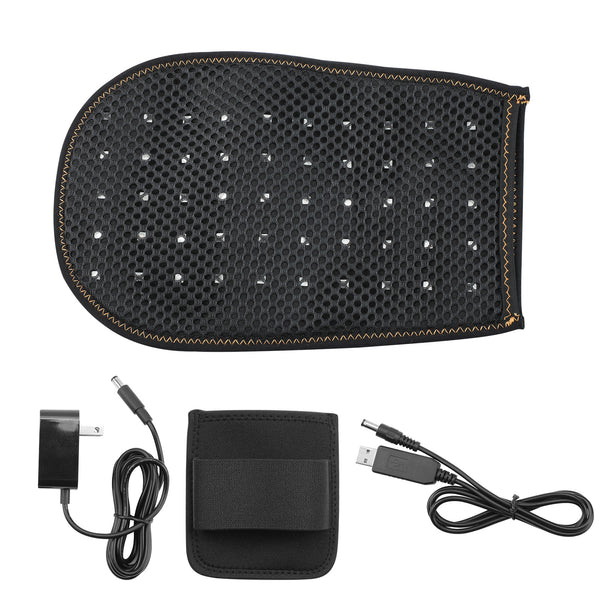
Cordless belts run from a battery pack clipped to the strap. You can wear one under a shirt and carry on with your evening, and a charge usually covers two or three sessions. Mains powered pads and panels never run flat mid session and generally hold higher sustained output, but they anchor you to a socket.
For anything you intend to use daily and then stop thinking about, cordless wins on the only metric that matters, which is whether you keep doing it. The cordless belts and wraps you can move between joints are the practical starting point for most people.
Where the money is not worth spending
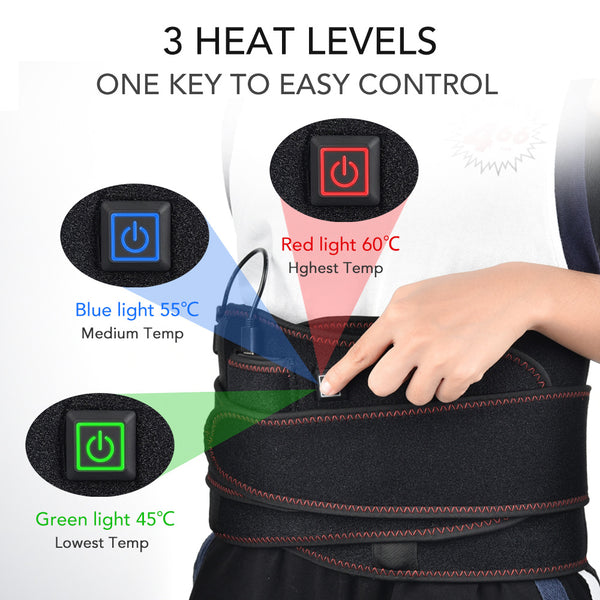
Two upgrades here are usually not worth their premium. App control is the first. It adds a phone dependency to a device whose only meaningful settings are time and intensity, both of which a physical button handles faster and without pairing.
The second is buying a full body panel to treat one knee. If your problem is a single joint, a wrap costing a fraction of the panel price puts more light on that joint than a large panel standing three feet away ever will. Spend the difference on a second wrap instead, so two areas can be treated without shuttling one device between them.
Related collections
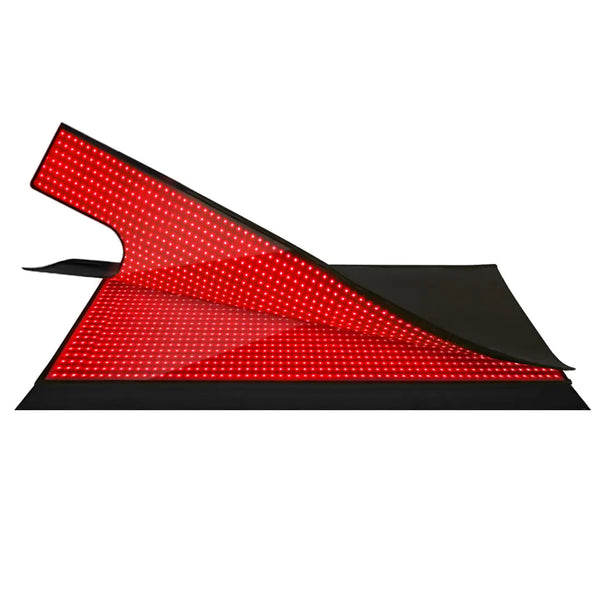
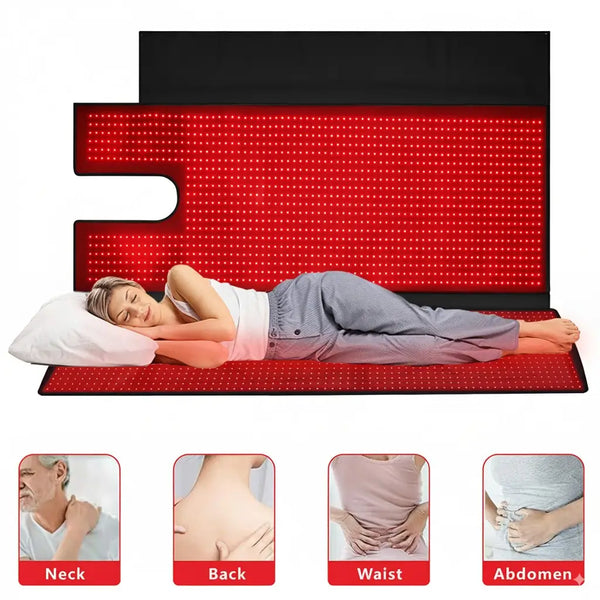
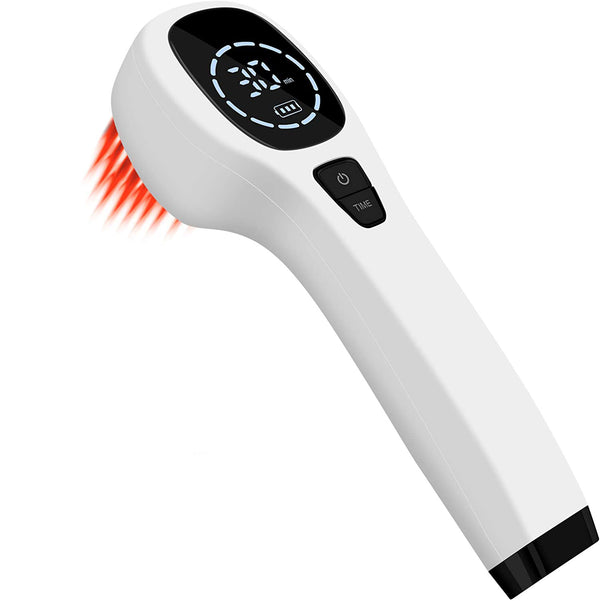
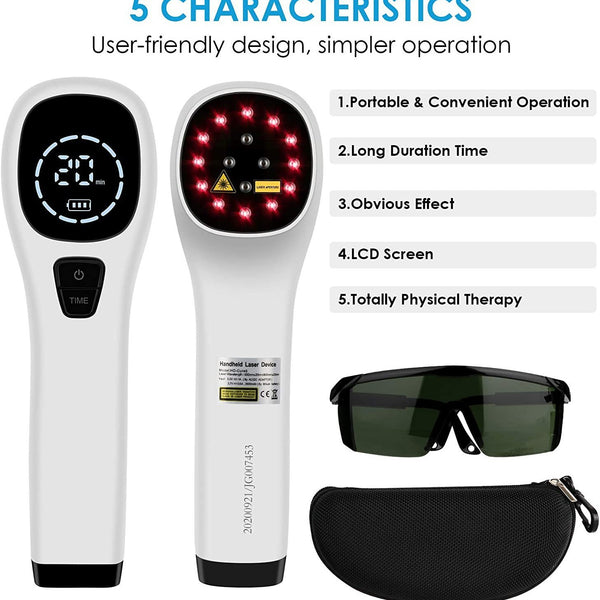
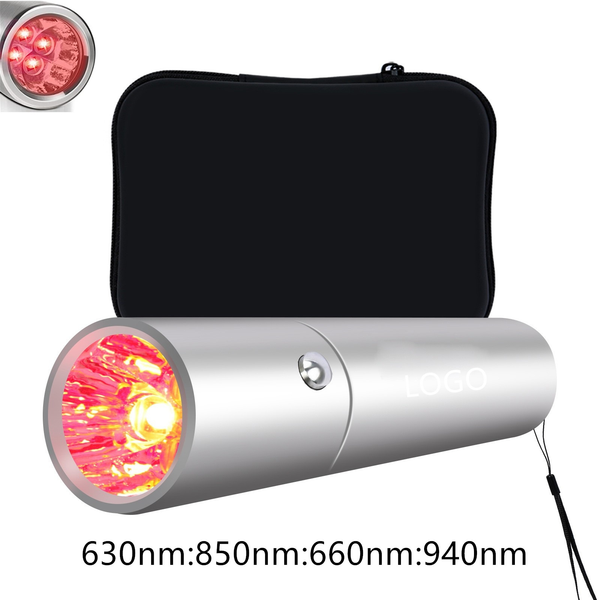
If the soreness follows training rather than sitting still, the recovery devices for training days narrow this list to units sized for large muscle groups. For small joints and precise spots, handheld torches and pens for small areas let you work an inch at a time. If you would rather lie down than strap anything on, the lie down mats and full body systems treat everything in one go.
These products are intended for general wellness purposes only. They are not intended to diagnose, treat, cure or prevent any disease or medical condition.